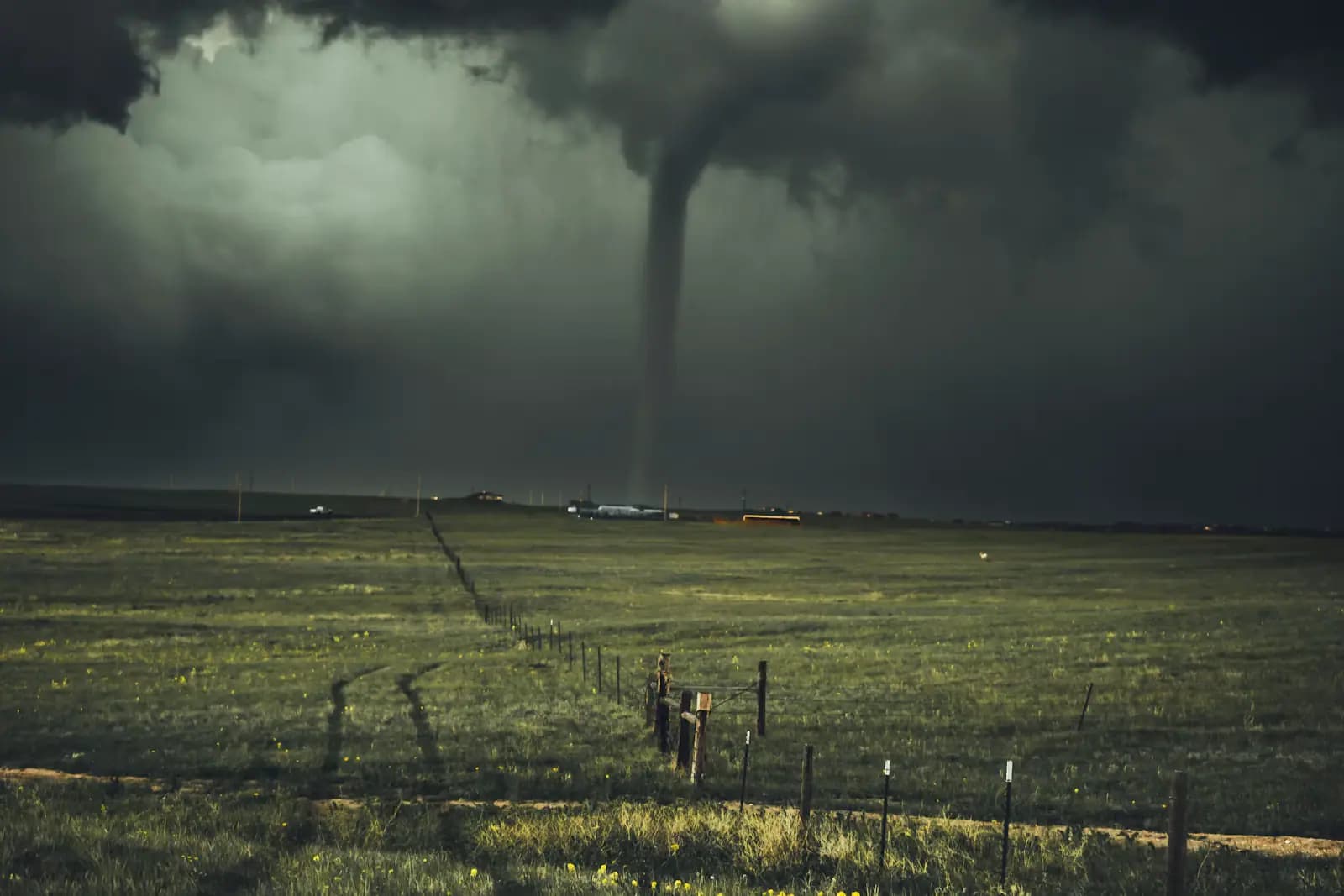
Travel alert
Hurricane Season on a Barrier Island: What Marco Visitors Should Plan For
Featured
Irma in 2017 and Ian in 2022 both came through this coast. Most of the season is simply hot and wet, and the difference is entirely in what you booked.
Travel alert
Everyone plans around hurricanes. Far more visitors lose a day to the thing that arrives every fortnight between November and March and looks like perfect weather.
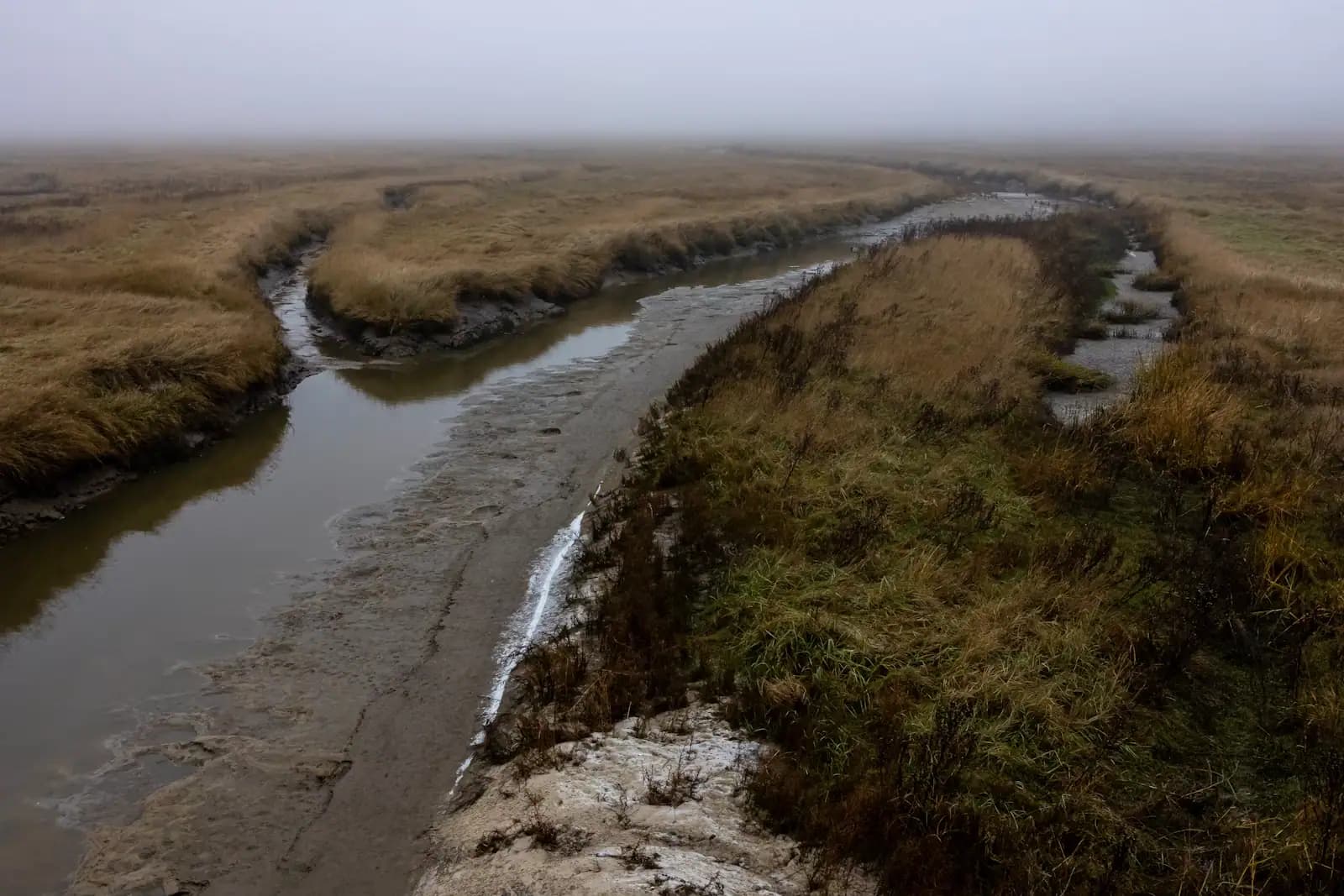
Between roughly November and March, cold fronts move down the Florida peninsula every week or two. On Marco the sequence is predictable: a warm, still, beautiful day, then a band of wind and brief rain, then two or three days of hard northwest wind and noticeably cooler air.
The frustrating part is that a post-frontal day often looks superb from a balcony. Clear sky, bright sun, low humidity. Out on the water it is a different proposition entirely.
Small boats stay in. The Gulf gets a short, steep chop, the passes get uncomfortable, and captains cancel rather than take passengers out into it. Shelling runs to the outer keys are usually the first to go, followed by anything involving a long open-water crossing.
Backcountry fishing changes rather than stops. A good guide moves into the lee of the islands and fishes deeper holes, because the fish move too. The day is different, not lost.
Beach time gets cold. A January front can drop air temperatures into the fifties overnight, and a north wind across six miles of open sand is not a sunbathing proposition.
Shelling on the beaches. Hard onshore wind pushes material up onto the sand, and the morning after a blow is reliably the best beach shelling of the year. Local collectors watch the forecast rather than the calendar.
Manatee viewing. As Gulf temperatures fall, manatees move into Marco's canals and sheltered inshore water. December through February is the window, and a cold snap concentrates them.
Air clarity. The light after a front is the reason photographers come here in winter.
Book the boat trip early in your stay so a cancellation has somewhere to go. Keep the museum, Rookery Bay and the drive east to Everglades City in reserve as weather days. Pack a fleece and long trousers even for February, because visitors who packed only for the Caribbean are the ones buying sweatshirts at the plaza.
And when a captain cancels, take it. They are not being cautious; they are being right.
SourcingSummarised from the long-established seasonal pattern of winter frontal passages on the southwest Florida coast and from the standing practice of small-boat operators cancelling trips in sustained onshore and northwesterly wind. Cancellations are made case by case by individual captains; follow your operator's advice and live marine forecasts on the day rather than this page.
Plan around it
The pages that carry the practical detail behind this story — hours, costs, access and where it sits on Marco.
Things to do
Where boat tours leave from on Marco Island, what each hull type can reach in the Ten Thousand Islands, typical price bands and how the…
Things to do
Where to find shells on Marco Island, why the good lines are on boat-only islands like Kice and Morgan Beach, and the Collier County rule…
Things to do
Marco Island wildlife watching: burrowing owls on residential lots, a long-running dolphin study, manatees after cold fronts and the…
Things to do
When to visit Marco Island, Florida: the dry season, summer heat, backcountry mosquitoes, hurricane season and red tide, month by month…
Newsroom
Travel alert
Irma in 2017 and Ian in 2022 both came through this coast. Most of the season is simply hot and wet, and the difference is entirely in what you booked.
Who reported this
Boating & Fishing Editor
Wyatt ran backcountry charters out of Goodland for nine seasons before he started writing about them, and still keeps a skiff on a lift at the island's south end. He covers boating, fishing, the Ten Thousand Islands and the tides that decide all three. When a departure time on this site looks strange, it is because the water made it that way rather than the marketing.
Our newsroom is machine-assisted and human-edited: stories are drafted from verified public sources and checked before they publish. How that works is set out in our editorial standards.