Skip to content
Menu

We earn a commission if you book through this link. You pay the same price.

Search

Ten Thousand Islands

Shelling on Marco Island

Last updated

Where to find shells on Marco Island, why the good lines are on boat-only islands like Kice and Morgan Beach, and the Collier County rule on live shells.

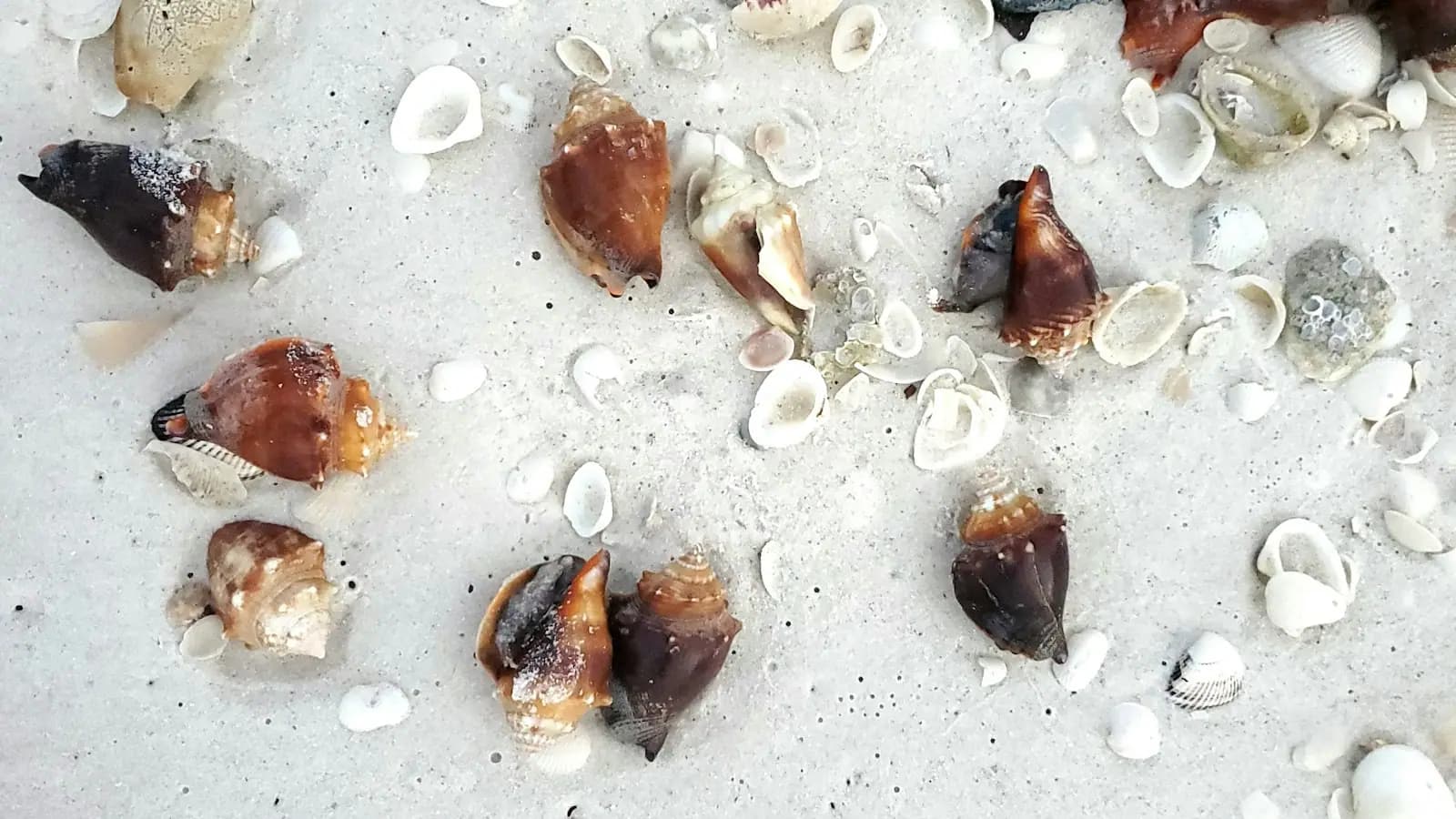
Brown conch shells and small bivalves scattered across white sand at the tide line

Every visitor arrives having heard that Sanibel is the shelling island, and the honest answer is that Sanibel earned it. That island sits crosswise to the Gulf at the end of a chain, and its geography acts like a scoop. Marco does not do that. The developed Gulf front here runs roughly north to south, it is groomed in places, and by eight in the morning in high season a good many people have already walked it.

What Marco has instead is position. It is the largest island in the Ten Thousand Islands and the last one with a bridge, a supermarket and a marina. South of Caxambas Pass the map dissolves into uninhabited barrier islands and mangrove keys, and the beaches out there are walked by nobody except the people who arrived that morning by boat. Kice Island, Morgan Beach, Dickman's Point, the outer sand at Cape Romano: the wrack line on those beaches is whatever the last tide left, not whatever survived a hundred pairs of eyes. Keewaydin, eight miles of mostly undeveloped island to the north, works the same way.

So the real difference is not shell quality. It is access, and therefore effort. On Sanibel you shell by walking out of your rental. On Marco you shell by getting on the water, whether that is a shared shelling tour out of a marina, a private captain, a rented pontoon or your own kayak on a calm morning. Once you accept that, the island stops looking like a poor relation and starts looking like a base camp.

There is still shelling on Marco itself, and it is better than its reputation. The flats behind Sand Dollar Island at Tigertail hold small material at low water: coquinas in ribbons, olives, augers, the occasional lightning whelk. South Marco Beach delivers after a winter blow, when a west or northwest wind has pushed wrack up the slope overnight and nobody has been out yet. The south end near Caxambas produces heavier shells because the pass moves water hard.

One rule governs all of it, and it is not negotiable. Collier County does not permit taking live shells, live sand dollars or starfish. If there is an animal inside, it goes back where you found it, on the wet sand rather than the dry. That single rule is the difference between a shell beach that still produces in ten years and one that does not.

Species to know: the Florida fighting conch is the workhorse here, with lightning whelks, banded tulips, king's crowns, pen shells, lettered olives and calico scallops filling out most bags. Horse conchs turn up whole on the outer islands. Junonia is the lottery ticket, and most people who claim one have found a lightning whelk.
Our picks

The ones we would book

  • Editor's Pick

    Best dedicated shelling run to the outer islands

    Why we chose it

    A boat that exists to put you on a shell beach rather than to show you dolphins on the way past. Look for a morning departure, a landing south of Caxambas Pass, and an hour or more ashore rather than twenty minutes. Confirm which islands are open that week, because nesting closures run March through August.

  • Small Group

    Best small boat for getting onto the skinny beaches

    Why we chose it

    Six passengers and a shallow draft changes which sand you can reach. The small operators can land on the inside bars and the pocket beaches around Blind Pass that a 40-foot boat cannot approach. Better for photographers and for anyone who wants to ask what they are holding. Highest price per person, lowest number of footprints.

    Barrier Islands

    On the Water

    Dolphin and Shelling Cruise for up to 12 people (opens in a new tab)

    Small GroupFree cancellationSmall group
    1K reviews

    Experience the best of Marco Island’s waterways on Eco Endeavors’ Dolphin & Shelling Tour! This 2.5-hour adventure takes you deep into the…

    2–3 hours

    Prices checked

    from $109
  • Best Value

    Best value shared shelling and beach trip

    Why we chose it

    The shared half-day out of a Marco or Goodland marina. You give up the choice of island and the departure hour, and you get the same wrack line as the private charters at a fraction of the cost. Book the first departure of the day, because the morning boat walks an untouched beach and the afternoon one does not.

  • Best Private Tour

    Best private charter for serious shellers

    Why we chose it

    Worth it when the wind has swung northwest and you want to be on Morgan Beach at low water rather than whenever the schedule says. A private captain can chase the conditions, stay longer ashore and move if the first beach is picked over. Half-day charters are standard, and the maths works from four people upward.

    Naples Sightseeing Boat Tour

    Agent Low Quality Product

    Naples Sightseeing Boat Tour (opens in a new tab)

    Best Private TourLikely to sell out
    1.1K reviews

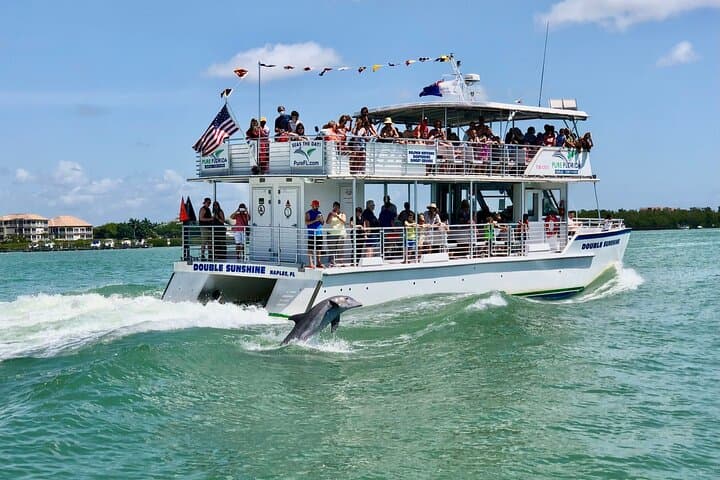
    Experience the beauty of Naples, Florida while cruising on the iconic Double Sunshine. This 90-minute sightseeing cruise takes you from…

    1–2 hours

    Prices checked

    from $66.71
  • Best for Families

    Best shelling trip with children along

    Why we chose it

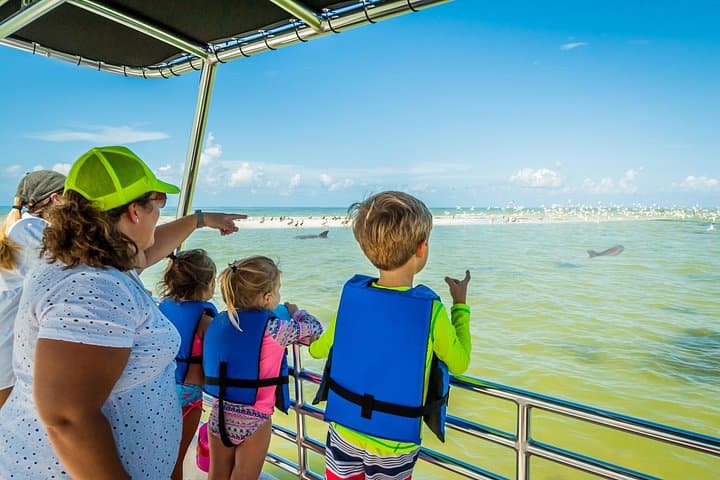
    Short crossing, calm inside water, a landing where the beach shelves gently and a crew that will tell a seven-year-old why the brown sand dollar goes back. Two to three hours is the practical limit before the sun wins. Bring more water than you think, because nothing is sold on any of these islands.

The islands that make Marco worth the trip

Caxambas Pass is the dividing line. North of it is the developed island. South of it is a chain of undeveloped sand and mangrove that produces the shelling people remember.

Kice Island sits immediately south of the pass, a straight Gulf-facing beach with a long shell line at its north end and almost no shade. It is the standard drop for shelling tours out of Marco because the run is short and the landing is easy.

Morgan Beach, on the same island system, faces the open Gulf and takes the full force of a winter blow, which is exactly what builds a wrack line. It is also inside Rookery Bay's managed area, with restricted access in the nesting months.

Dickman's Point and the small beaches around Blind Pass produce heavier material because the current runs harder through the cuts.

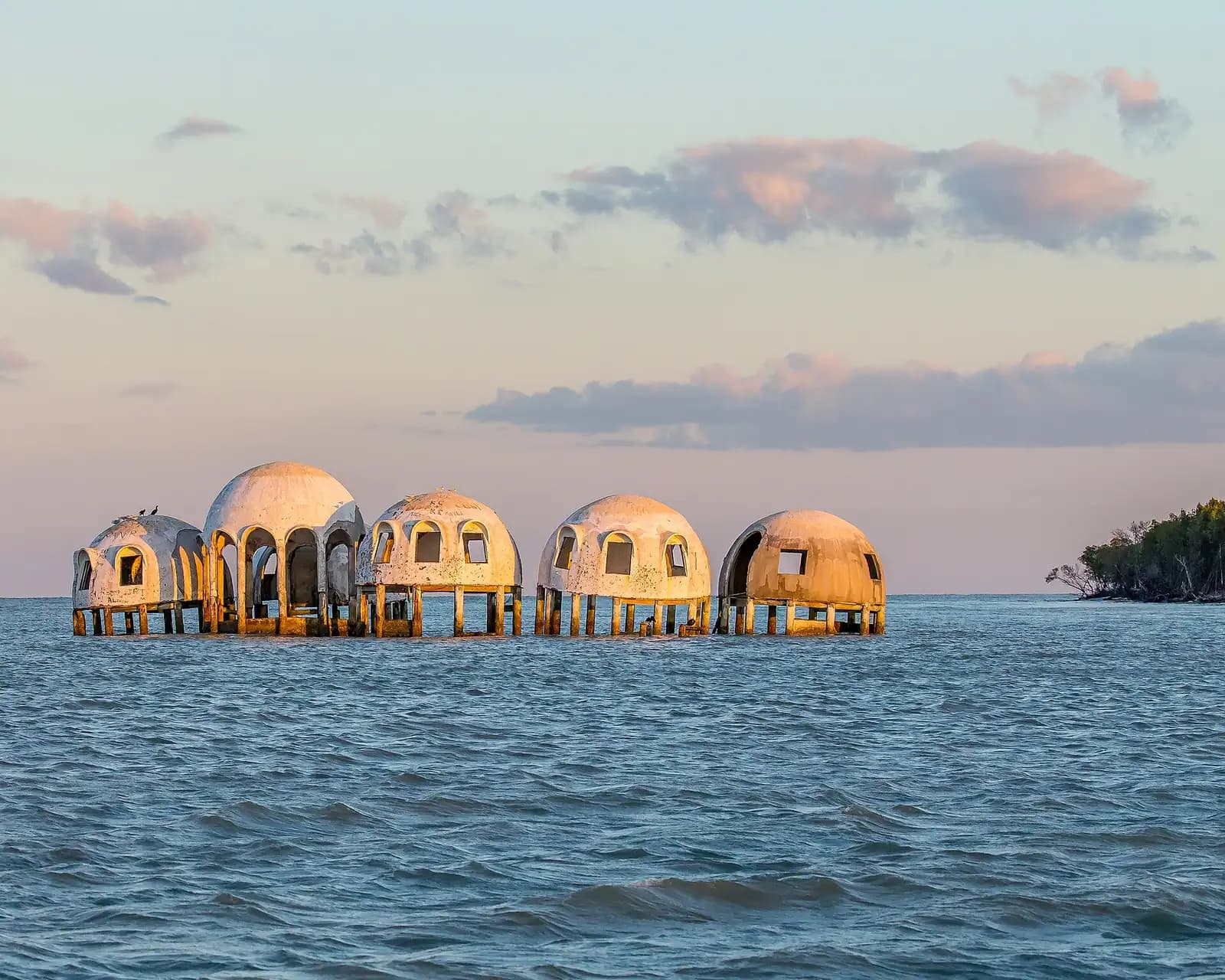
Cape Romano is the furthest and the strangest, a low shifting sand system offshore of the mainland mangroves. The dome house that made it famous collapsed in Hurricane Ian in 2022 and is now underwater, with pilings breaking the surface at low tide.

Keewaydin Island lies the other way, between Marco and Naples, roughly eight miles long and largely undeveloped. Its southern miles are quiet on a weekday even in season.

When the shelling is actually good here

When to go

Three variables, in order of importance.

Wind. A west or northwest blow piles material onto these west-facing beaches. That means the day after a winter cold front is the single best time to be out, and it is why January and February can beat a calm week in July. It also means the water will be choppy, so the trip is less comfortable than the shelling is good.

Tide. Go on the falling tide and be walking the beach around low water, when the wrack line is exposed and the flats behind Sand Dollar Island are dry enough to cross. A mixed tide runs here, so the two daily lows are not equal; check a Big Marco Pass or Caxambas table rather than a generic Gulf one.

Traffic. On the boat-access islands, the first boat of the day gets a different beach from the third. Most shelling tours run a morning and an afternoon departure, and the morning one is worth the early alarm.

Season matters less than people expect. Winter brings the fronts and the low crowds, summer brings calm water and easy crossings but afternoon storms. Autumn after a storm system has passed is quietly the best combination of all three.

Shelling without a boat

Local tips

You can still fill a small bag on foot, and three places are worth the walk.

The flats behind Sand Dollar Island at Tigertail, at low water. Small material mostly, but a lot of it: coquinas, augers, olives, lucines, and enough sand dollar fragments to teach a child the difference between live and dead.

The south end of Sand Dollar Island, where the spit runs out toward Big Marco Pass. Heavier shells arrive here because the pass concentrates flow. Stay outside the posted bird closures, which cover a good part of the spit from March to August.

South Marco Beach after a winter front. Get there at first light, before the walkers. This is the one place on the island where being up at sunrise genuinely changes what you find.

Two honest caveats. The developed beach is renourished periodically, which brings in clean sand and, for a while, fewer shells. And whatever you read about a secret stretch of Marco sand nobody walks, it does not exist. The island has fifteen thousand residents and the good sections are five minutes from somebody's front door.

Book it

Everything else we track

Some links below go to Viator, our booking partner. We earn a commission on bookings made through them — at no extra cost to you, and with no influence on what we recommend.

  • Gulf of Mexico Sunset Cruise from Naples

    Low Supplier Cancellation Rate

    Gulf of Mexico Sunset Cruise from Naples (opens in a new tab)

    Likely to sell out
    542 reviews

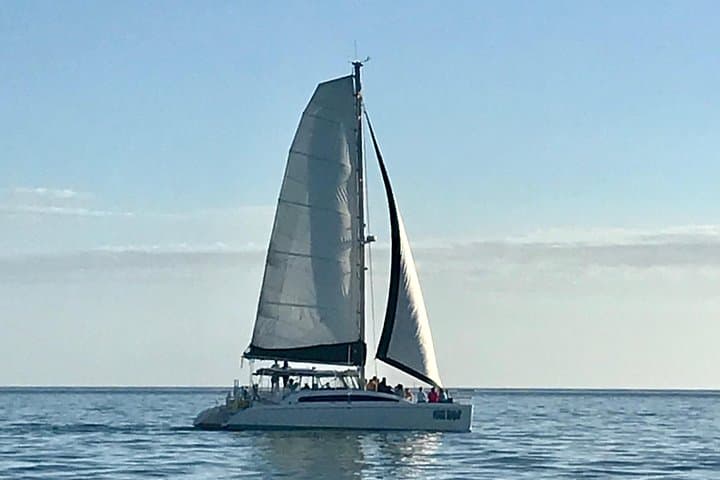
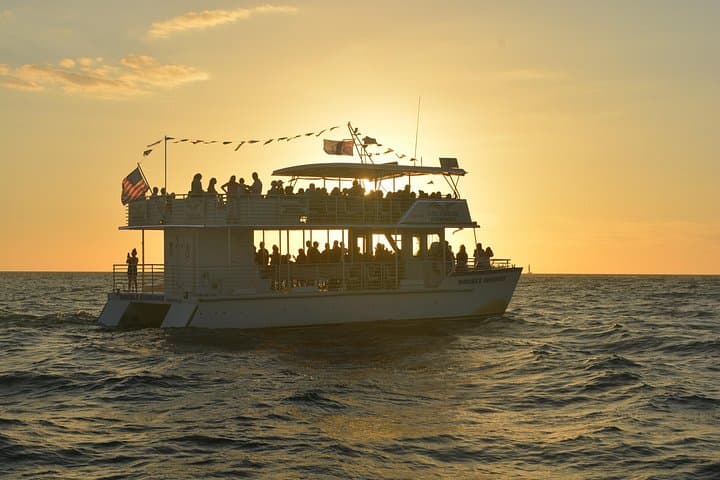
    Experience the magical Naples sunset while cruising on the iconic Double Sunshine. This 90-minute sunset cruise takes you from historic…

    1–2 hours

    Prices checked

    from $73.41
  • Everglades National Park Boat Tour

    Curated Catalog

    Everglades National Park Boat Tour (opens in a new tab)

    Free cancellationInstant confirmation
    182 reviews

    Experience the wonder of Everglades National Park's Ten Thousand Islands from our exclusive pontoon boat tour authorized by the National…

    1–2 hours

    Prices checked

    from $60.48

The live shell rule, and why it is enforced here

Before you book

Collier County's rule is short: empty shells only. No live shells, no live sand dollars, no starfish. Anything still occupied goes back in the water.

Telling the difference takes about ten seconds, and colour does most of the work. Anything still occupied looks wrong on this white sand: brown, green or purple-grey where an empty shell has been bleached. A sand dollar with an animal in it wears a coat of short spines that shift if you hold still and watch. Then check the opening. A whelk sealed by a hard trapdoor has an owner; a bivalve whose halves are still hinged shut has one as well.

Rookery Bay manages much of this coast and adds a calendar on top. Camping is closed south of San Marco Road from the first of April through October, with day use still permitted, and access is restricted at Keewaydin, Morgan Beach and Second Chance from March to the end of August while shorebirds nest. On Sand Dollar Island the Critical Wildlife Area closures run on the same seasonal logic, and inside a posted area the state rule excludes dogs, vessels and fishing as well as feet.

None of this is decoration. These beaches are productive precisely because the nesting colonies and the live shell beds are left alone, and a captain who lands you inside a posted closure is risking a citation for both of you.

What to take on a shelling trip from Marco

What to bring

  • A mesh bag, not a bucket. Sand and water drain out, and the weight halves by the time you are back at the boat.
  • Water shoes. The landings on Kice and Morgan are shell-gravel in places, and a broken pen shell is sharp enough to need stitches.
  • A dry bag. Most landings here are wet ones, over the bow or off a swim platform into shin-deep water.
  • Sun cover you can wear. There is no shade on any of these islands. A long-sleeved shirt beats reapplying sunscreen four times.
  • Drinking water, more than you planned. Nothing is sold anywhere south of Caxambas Pass.
  • A small scoop or a kitchen sieve for working the shell gravel rather than digging into live beds.
  • A field guide or an app for the species you cannot name. Half the pleasure is finding out what a king's crown is.

Leave behind: shovels, rakes, and any intention of digging. And take your rubbish back with you, because nobody collects it out there.

On the ground

Where to go

Every place below has its own page — hours, parking, what it costs and what to expect when you get there.

  • Low sun across a thin sheet of water lying on an exposed sand flat at low tide

    Beach

    Tigertail Beach Park

    Free

    A county park where the Gulf beach sits on the far bank of a tidal lagoon, so the tide table decides what kind of day you get.

    2–6 hoursPark entry is free. Parking is paid at the county kiosk, around $10 per day.

  • Rows of small waves breaking over shallow offshore sandbars seen from above

    Beach

    Sand Dollar Island

    Free

    A sandbar that keeps rewriting itself off Marco's northwest shore, walkable at low water and gone from the map at high.

    1.5–5 hoursFree. The only cost is parking at Tigertail Beach Park.

  • Shallow clear water over rippled sand flats with a low sandbar in the distance

    Water feature

    Tigertail Lagoon

    Free

    The tidal flat between the car park and the Gulf: wade it at low water, paddle it at high, and find the best birding on Marco Island.

    1.5–5 hoursFree to enter. Parking at Tigertail Beach Park is charged, at roughly $10 a day.

  • A small boat at anchor over clear shallow water off an undeveloped mangrove shoreline

    Beach

    Keewaydin Island

    Free

    Eight miles of undeveloped barrier island with no bridge, no road and no facilities, reachable only by boat from Marco or Naples.

    3–8 hoursThe beach is free. The cost is the boat: shuttle fare, charter or rental.

  • An empty stretch of Gulf beach with a low dune line and no buildings in sight

    Beach

    Kice Island

    Free

    Two miles of empty Gulf beach across Caxambas Pass, boat access only, with no shade, no water and the best shelling near Marco.

    2–5 hoursFree. You pay only to launch or to book a charter.

  • Scattered whelk and conch shells lying on damp sand at low tide

    Beach

    Morgan Beach

    Free

    The furthest of the boat-only shelling beaches south of Marco, on a shoreline that redraws itself after every serious storm.

    3–6 hoursFree to land on. The cost is the boat: a charter seat, or launch and fuel of your own.

  • Heavy cloud building over open water in the late afternoon

    Landmark

    Cape Romano Dome House

    Free

    The domes off Cape Romano fell in Hurricane Ian. What is left is pilings and rubble in open water, and still worth the run south.

    0.5–1 hoursFree to look at from the water. The cost is the boat or the charter seat.

Straight answers

Questions people actually ask

Is Marco Island good for shelling, or should I go to Sanibel?

Both, for different reasons. Sanibel's east-west orientation makes it the better walk-out-and-find-shells island, and nothing on Marco's developed beach competes with that. Marco's advantage is that it is the gateway to boat-access islands such as Kice, Morgan Beach and Cape Romano, where the shell lines are not walked at dawn by hundreds of people. If you are willing to get on a boat, Marco produces better shelling than Sanibel does.

Where is the best shelling on Marco Island itself?

The tidal flats behind Sand Dollar Island at Tigertail Beach, at low water, for small material in quantity. The southern tip of the sandbar near Big Marco Pass for heavier shells, staying outside posted bird closures. South Marco Beach at first light after a winter cold front, when a northwest wind has pushed fresh wrack ashore overnight. All three reward an early start more than a long walk.

Can you take live shells on Marco Island?

No. Collier County prohibits taking live shells, live sand dollars and starfish. Occupied shells give themselves away by colour, looking brown or greenish against bleached empty ones, and a living sand dollar carries short spines that move. A whelk sealed by a hard trapdoor has an occupant, as does a hinged bivalve. Put anything alive back on the wet sand where you found it, not up on the dry beach.

What shells can you find near Marco Island?

Florida fighting conchs are the most common good find, along with lightning whelks, banded tulips, king's crowns, lettered olives, augers, pen shells, calico scallops and coquinas. Horse conchs turn up whole on the outer islands. Sand dollars are common on the flats, most of them fragments. Junonia is the rare one people talk about, and genuine finds are uncommon anywhere on this coast.

When is the best time of year for shelling on Marco Island?

Winter, on balance. Cold fronts arrive every week or two from December through March, and the west or northwest wind behind a front piles material onto these beaches overnight. Go the following morning on a falling tide. Summer offers calm crossings and easy landings but thinner lines, and afternoon thunderstorms shorten the day. Autumn, once a storm system has moved through, is quietly excellent.

Do you need a boat to go shelling near Marco Island?

Not strictly, but it is the difference between a handful and a bagful. The productive beaches at Kice Island, Morgan Beach, Dickman's Point and Cape Romano have no road access at all, and Keewaydin to the north is the same. Options run from a shared shelling tour out of a Marco marina through a private charter to a rented pontoon. Strong paddlers reach the near islands by kayak on calm mornings.

How much does a shelling tour from Marco Island cost?

Shared half-day shelling and beach trips have generally sat in the region of one hundred dollars per adult, with shorter two-hour trips lower and private charters priced by the boat rather than the seat. Prices move with fuel and season, so treat that as a band and confirm when you book. Ask what is included, because some operators supply water, bags and a beach umbrella and others supply none of it.

Are the shelling beaches near Marco Island ever closed?

Parts of them, seasonally. Rookery Bay restricts access at Keewaydin Island, Morgan Beach and Second Chance from the beginning of March to the end of August for nesting shorebirds, and closes camping south of San Marco Road from April through October. The Big Marco Pass Critical Wildlife Area covering Sand Dollar Island is posted on the same nesting calendar. Day trips still run; ask your captain which landings are legal that week.