Skip to content
Menu

We earn a commission if you book through this link. You pay the same price.

Search

Plan your trip

The Best Time to Visit Marco Island

Last updated

When to visit Marco Island, Florida: the dry season, summer heat, backcountry mosquitoes, hurricane season and red tide, month by month and without spin.

A storm cloud building over a Gulf beach at dusk with lit condominium towers along the shoreline

The short answer is late October to early December, and April into the first half of May. Those are the weeks when Marco has dry-season weather without dry-season prices, when the water is warm enough to swim without the summer heat on the beach, and when a morning boat trip is unlikely to be cancelled. If you can only travel in a fixed school holiday, the rest of this page tells you what you are actually getting.

The island runs on a two-season year, not four. From roughly November to April it barely rains, humidity drops, highs sit in the seventies and low eighties, and the Gulf goes flat for days at a time. From roughly May to October it is hot, humid and wet in the afternoons, the water is bathwater, and the backcountry fills with insects. Everything else — prices, restaurant waits, boat availability, whether the lot at Tigertail is full by ten — follows from which of those two seasons you are in.

The crowd pattern follows it too, and on Marco the swing is dramatic. A resident population of about sixteen thousand more than doubles at the height of the winter season, and the difference is visible on Collier Boulevard, at the bridge, at the pay stations and in every dinner reservation between January and March. That is also when the weather is best. There is no month that is simultaneously empty, dry and cheap, and any page that suggests otherwise is selling something.

Three honest complications shape the calendar more than temperature does. The hurricane calendar spans 1 June to 30 November, and two storms inside a five-year window — Irma in September 2017, Ian in September 2022 — are the reason so many facilities named across this guide carry a note about having been rebuilt since. Red tide, a bloom of the alga Karenia brevis, appears on the southwest Florida coast irregularly, can irritate eyes and throats onshore and is impossible to predict months ahead. And mosquitoes and no-see-ums in the mangrove country are a genuine consideration from late spring onward, not a footnote.

None of that makes summer a bad time to come. It makes it a different holiday: cheaper, quieter, wetter, earlier in the day, and with sea turtles nesting on the beach from 1 May to 31 October. What follows is the month-by-month detail, the wildlife calendar, and a straight account of what each season costs you.

Our picks

The ones we would book

  • Editor's Pick

    The trip to book for a dry-season morning

    Why we chose it

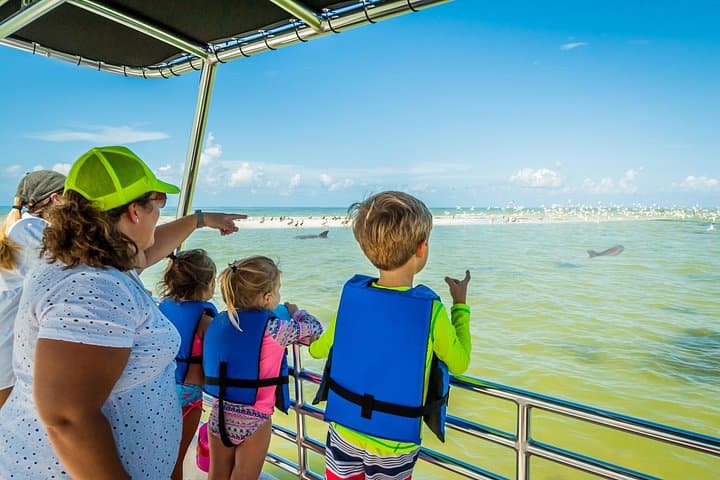
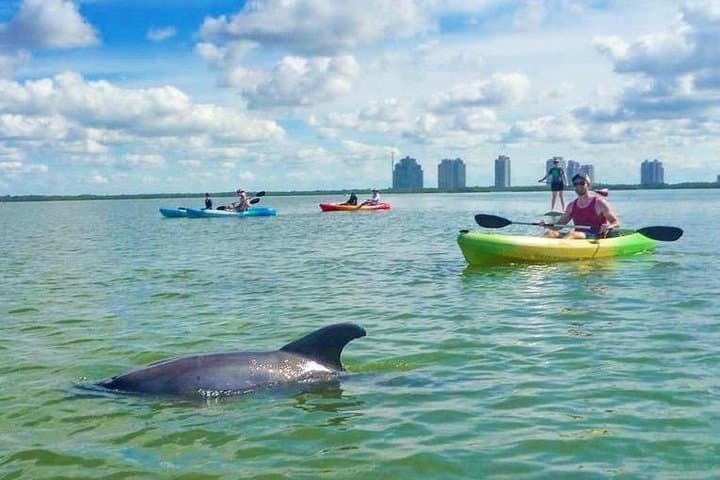
    Between December and April the passes go glass-flat on a still morning and the backcountry is at its easiest. A naturalist-led run through the Ten Thousand Islands on one of those mornings is the best two hours available on this island in any month, and in winter you can also expect manatees on the way out through the river.

    Marco Island and Naples Pedal or Paddle Kayak Tour

    Low Last Minute Supplier Cancellation Rate

    Marco Island and Naples Pedal or Paddle Kayak Tour (opens in a new tab)

    Editor's PickFree cancellationLikely to sell out
    1.2K reviews

    Discover the difference with Marco Ecotours Our tours are more than a business - they are our passion. We strive to ensure that every…

    2 hours

    Prices checked

    from $58
  • Best Value

    For the off-season weeks

    Why we chose it

    From May to October the same boats run with empty seats and the pricing softens. Take the earliest departure of the day, before the heat and the storm cells build, and you get the flattest water of the year and the lowest rate of the year on the same ticket. Book the day before rather than months out.

  • Sunset

    Shortest days, best light

    Why we chose it

    Between late November and January the sun goes down before dinner rather than after it, which makes an evening cruise a genuinely different proposition: you board in daylight, you are back in time to eat, and the winter air over the Gulf is clearer than the summer haze allows. Check the boarding time, which moves by more than two hours across the year.

  • Best for Families

    For warm water without peak crowds

    Why we chose it

    October and early November keep Gulf temperatures in the low eighties while the winter crowd has not arrived, which is the combination families actually want. Shorter queues at the beach pay stations, boats with space on them, and water children will stay in for an hour rather than five minutes.

    Barrier Islands

    On the Water

    Dolphin and Shelling Cruise for up to 12 people (opens in a new tab)

    Best for FamiliesFree cancellationSmall group
    1K reviews

    Experience the best of Marco Island’s waterways on Eco Endeavors’ Dolphin & Shelling Tour! This 2.5-hour adventure takes you deep into the…

    2–3 hours

    Prices checked

    from $109

The wildlife calendar, which is the real reason to pick a month

When to go

If you are coming for the estuary rather than a lounger, this matters more than the temperature.

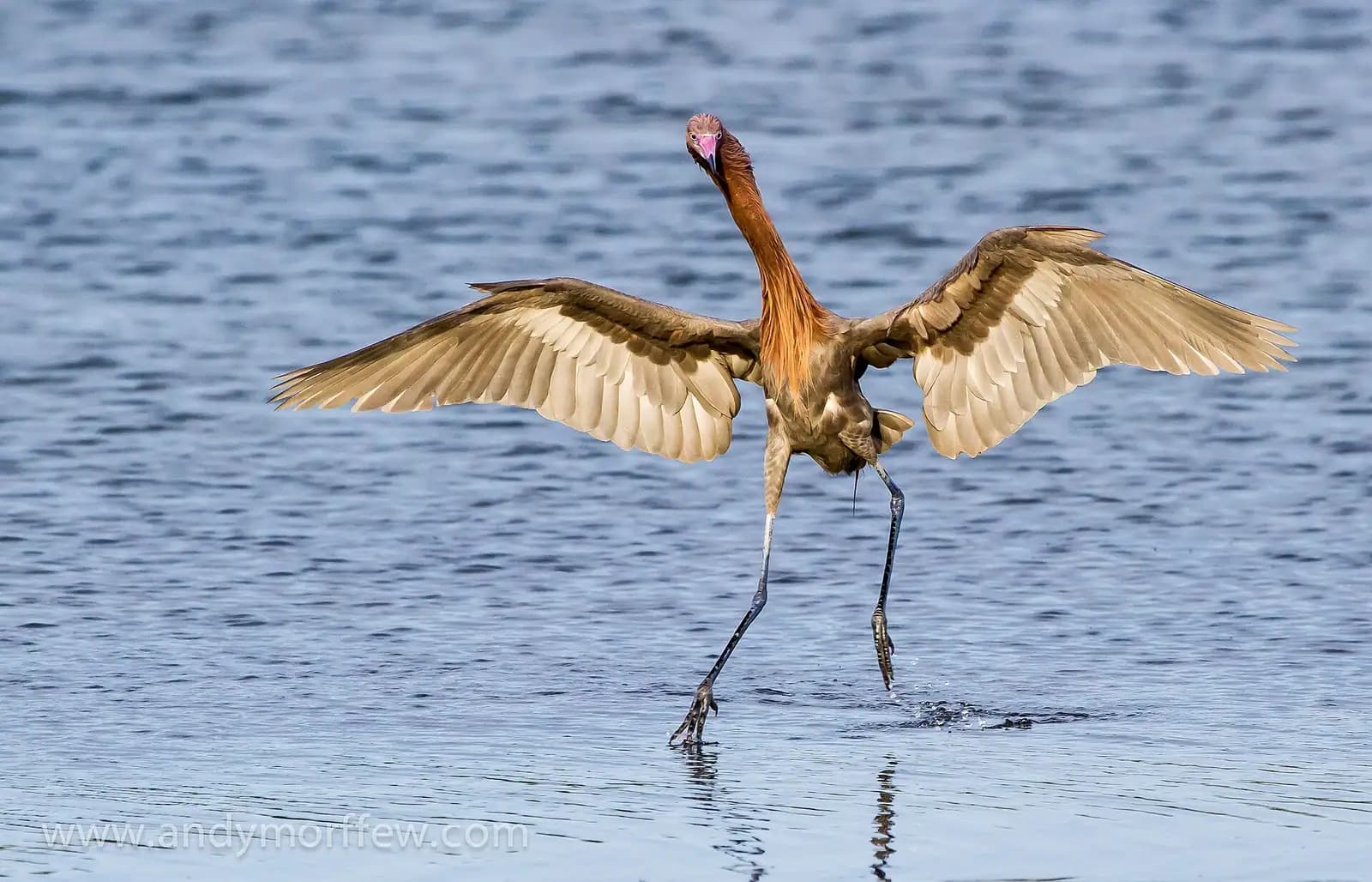
Winter, roughly December to March. Manatees move into the canals and the Marco River when Gulf temperatures fall below the low seventies, and slow-speed zones are marked and enforced. Shorebird numbers on the Tigertail flats peak: plovers, terns, black skimmers and wintering waders. Water clarity is at its best and the flat days make the backcountry easy.

February to July. Burrowing owls nest on the island's vacant lots, with each burrow staked and flagged by Audubon volunteers. This is the window in which you can reliably see them from the pavement, chicks and all, and the only window.

May to October. Loggerhead sea turtles nest along the Gulf beach. Nests are marked, the city's beachfront lighting ordinance is in force after dark for the whole period with fines attached, and hatchlings emerge from late summer into autumn. If you are staying beachfront, close the curtains at night. It is the single most useful thing a visitor here can do.

Late spring and early summer. Tarpon move through the passes, which is the big-ticket fishing season, and snook fishing is at its most exciting — though snook have seasonal harvest closures, so check the current Florida regulations rather than assuming.

Autumn. The mullet run brings bait down the coast in dense schools, with everything that eats mullet behind it. It is the best month of the year to watch a feeding frenzy from a seawall for free.

What to book, and when

Local tips

  • December to March. Reserve accommodation months ahead, and book boat trips and popular restaurants days ahead rather than on the day. Expect to pay peak rates for everything and budget extra time for Collier Boulevard and the Jolley Bridge.
  • April and early May. The value window. Rates drop sharply after Easter while the weather is still dry. Book a week or two out and you will generally get what you want.
  • June to September. Book flexibly, book the morning, and book early in the stay. Travel insurance that covers named storms is worth the line item, and a refundable rate is worth more than the discount on a non-refundable one.
  • October and November. Quietly the best-value warm-water weeks of the year, and the boats are available. Watch the tail of hurricane season through October.
  • Any month. If you want a specific charter captain or a private boat, that is the booking to make first. There are far more beds on this island than there are hulls.

One last piece of timing that is nothing to do with season: the tide. Shelling, the Tigertail lagoon crossing and the sandbar stops all work best around low water, and tide times shift roughly an hour a day. If a particular one of those is the reason you are coming, check the tide table for your dates before you fix which morning you do it.

Book it

Everything else we track

Some links below go to Viator, our booking partner. We earn a commission on bookings made through them — at no extra cost to you, and with no influence on what we recommend.

Sharing, or having it to yourselves

Most of what is bookable here sells two ways, and the cheaper one is not always the cheaper one. A shared departure is priced per person; a private booking is priced for the party, so the arithmetic flips somewhere around four to six people — and it is the only version where you pick the time. Check the party size each listing actually covers before you decide.

  • Book a seat

    A shared departure, priced per person. The cheapest way to do this for one or two people.

  • Book the whole thing

    Priced for the party rather than the seat, and you choose the departure time.

    Private Shelling and Dolphin Excursion

    Top Product

    Private Shelling and Dolphin Excursion (opens in a new tab)

    Free cancellationPrivate tour
    378 reviews

    Our private excursion allows you to enjoy the beautiful waters of The 10,000 Islands without the crowds of tourists at a comparable price…

    2–3 hours

    Prices checked

    from $475

Month by month on Marco

How they compare

MonthsWeatherCrowds and priceWhat it is good for
December to MarchDry, highs mostly seventies, cool evenings, occasional cold frontsPeak on both, heaviest January to MarchFlat water, comfortable walking, manatees in the canals, birding on the Tigertail flats
April to mid-MayWarming, still dry, water into the high seventiesFalling fast after EasterThe best all-round compromise. Boats available, beaches not full, insects not yet serious
Late May to JulyHot and humid, afternoon storms, water low to mid eightiesLow, with a family bump around school holidaysEarly-morning boating, tarpon season, turtle nesting begins, lowest rates
August to SeptemberHottest and wettest, daily storms, peak hurricane riskLowest of the yearValue, empty beaches, and the highest chance of a disrupted trip
October to early DecemberDrying out, storms tailing off, water still warmQuiet until the season turns in mid-DecemberThe other sweet spot. Warm water, dry days, off-peak rates

Two details that are specific to here rather than to Florida generally. Cold fronts from December to March can drop the temperature ten to fifteen degrees for a day or two and put a short chop on the passes, which matters if your one boat day is booked into that window. And the sea breeze pattern means that in almost every month the water is calmest before late morning, so a morning departure is the right default all year.

Summer, told straight

Before you book

Roughly June to September is Marco at its cheapest and least comfortable, and there are four separate things going on.

Heat and humidity. Highs in the low nineties with dew points to match. This is not beach-all-day weather. It is dawn-and-dusk weather, and the visitors who enjoy summer here plan around that rather than fighting it.

Afternoon storms. They build over the interior through the day and move west. They are often short, they are frequently violent, and Florida leads the country in lightning deaths. Being on open water in one is the thing to avoid, which is the main reason afternoon boat trips get cancelled and morning ones do not.

Insects. No-see-ums come out around dusk near the mangroves, get through standard window screens and are barely deterred by ordinary repellent. Mosquitoes in the backcountry from late spring are a different order of magnitude from anything on the beach; Collier-Seminole State Park has gone as far as advising visitors to bring screened shelter in high summer. The beach itself, with a sea breeze, is largely fine. Ten minutes inland at dusk is not.

Hurricane season. Officially 1 June through 30 November, though the months that have actually produced landfalls on this stretch of coast are late August, September and the first days of October. What that means in practice is insurance, refundable rates, and reading the National Hurricane Center rather than a holiday feed. Irma came through in September 2017 and Ian in September 2022, and the visible legacy of both is still in the rebuilt piers, boardwalks and visitor centres named throughout this guide.

What summer buys in return: rates well below season, boat trips you can book the day before, water warm enough to stay in for hours, and turtle nesting on the beach.

Red tide, and how to check before you travel

Before you book

This is the thing most guides to southwest Florida leave out, and it is better to know about it in advance than to discover it on arrival.

Red tide is a bloom of Karenia brevis, a naturally occurring alga that lives offshore in the Gulf and periodically concentrates near the coast. When a bloom is inshore and the wind is onshore, it kills fish and releases an airborne irritant that produces coughing, scratchy throat and stinging eyes on the beach. People with asthma or other respiratory conditions feel it hardest.

Three honest points. It is not annual and it is not predictable more than days ahead — blooms have been mild or absent for whole seasons and severe in others. It is patchy along the coast: one beach can be affected while another ten miles away is clear, and conditions change with the wind within a day. And it does not make the whole island unusable, because the backcountry and the bay side are generally less affected than the open Gulf shore.

What to do about it is simple. Check current conditions in the days before you travel rather than months ahead. Florida's wildlife agency publishes a regularly updated status map, and beach-condition reporting services cover this stretch of coast daily. If a bloom is in when you arrive, shift the plan: go east to the Everglades, go inshore on the bay side, use the museum and the preserves, and keep anyone with a respiratory condition off the Gulf beach on an onshore wind.

Do not let it change whether you book. Let it change what you do on the two or three days it might affect.

On the ground

Where to go

Every place below has its own page — hours, parking, what it costs and what to expect when you get there.

  • Low sun across a thin sheet of water lying on an exposed sand flat at low tide

    Beach

    Tigertail Beach Park

    Free

    A county park where the Gulf beach sits on the far bank of a tidal lagoon, so the tide table decides what kind of day you get.

    2–6 hoursPark entry is free. Parking is paid at the county kiosk, around $10 per day.

  • Rows of small waves breaking over shallow offshore sandbars seen from above

    Beach

    Sand Dollar Island

    Free

    A sandbar that keeps rewriting itself off Marco's northwest shore, walkable at low water and gone from the map at high.

    1.5–5 hoursFree. The only cost is parking at Tigertail Beach Park.

  • Shallow clear water over rippled sand flats with a low sandbar in the distance

    Water feature

    Tigertail Lagoon

    Free

    The tidal flat between the car park and the Gulf: wade it at low water, paddle it at high, and find the best birding on Marco Island.

    1.5–5 hoursFree to enter. Parking at Tigertail Beach Park is charged, at roughly $10 a day.

  • Brackish shallows and low mangrove islands at Rookery Bay, with wading birds on the far bank

    Nature preserve

    Rookery Bay National Estuarine Research Reserve

    The 110,000-acre mangrove estuary between Marco and Naples, with a learning centre as its one easy front door.

    1.5–4 hoursLearning centre around $10 adults, $5 children 4–12, under 3 free. Reserve waters are free to use.

  • A narrow dark-water channel running under an arching canopy of mangrove branches

    Park

    Collier-Seminole State Park

    6,430 acres of mangrove and royal palm hammock twenty minutes east of Marco, with the last Bay City walking dredge parked by the gate.

    1.5–7 hoursA small per-vehicle entry fee in the usual Florida state park band, paid at the ranger station or honour box.

  • Calm shallow water meeting fine pale sand on a wide Gulf beach

    Beach

    South Marco Beach Access

    Free

    Park on Swallow Avenue, cross Collier Boulevard, walk a short boardwalk and you are on open Gulf sand. No tides to solve.

    1.5–5 hoursBeach access is free. Parking is paid, around $10 per day for non-permit holders.

  • Low evening sun across a wide expanse of tall golden marsh grass

    Wildlife

    Ten Thousand Islands National Wildlife Refuge

    Free

    Thirty-five thousand acres of mangrove wilderness with one land trail, one observation tower and eighteen parking spaces.

    1–4 hoursFree. No entry fee and no parking charge at the Marsh Trail.

  • Low wooden storefronts with corrugated roofs along a quiet two-lane road in a small coastal settlement

    Neighbourhood

    Goodland

    Free

    A few hundred people, one road in, stone crab traps stacked in the yards. The opposite of the resort side of the same island.

    1.5–5 hoursFree to visit. Boat launch fees apply at the county ramp.

Straight answers

Questions people actually ask

What is the best month to visit Marco Island?

April and November are the two strongest single months. Both sit just outside the peak season, both are dry, both have water warm enough to swim in comfortably, and neither carries full winter pricing or full winter crowds. If weather alone decides it, February and March are the driest and most reliable, but they are also the busiest and dearest weeks of the Marco year.

What is the rainy season on Marco Island?

Roughly May through October, with the heaviest rainfall in the middle of the summer. The pattern is not all-day drizzle: storms build over the interior through the afternoon and move west, so mornings are often bright and the disruption arrives after lunch. That is why boat departures in summer are worth taking early in the day, and why afternoon trips are the ones that get cancelled.

Is hurricane season a reason not to visit Marco Island?

Not by itself, but plan for it. The season is defined as 1 June through 30 November, and on this coast the months that have actually produced landfalls are late August, September and the first days of October. Irma struck here in 2017 and Ian in 2022. Book refundable rates, consider travel insurance covering named storms, and watch official forecasts rather than social media in the week before you travel. Most summer trips here are entirely uneventful.

Are there a lot of mosquitoes on Marco Island?

On the beach with a sea breeze, not particularly. In the mangrove backcountry and inland from late spring through autumn, yes, and no-see-ums around dusk are the more persistent problem because they get through standard screens. Collier-Seminole State Park has advised visitors to bring repellent and screened shelter in high summer. Cover up at dawn and dusk, and treat clothing rather than relying on skin repellent alone.

How busy does Marco Island get in season?

Very. The island's year-round population of roughly sixteen thousand more than doubles at the height of the winter season, and from January through March that shows up as queues at the beach pay stations, full car parks by mid-morning, long restaurant waits and slow traffic on Collier Boulevard and at the Jolley Bridge. Book boats and tables ahead, and do your beach mornings early.

What is the water temperature at Marco Island?

The Gulf here runs roughly from the mid-sixties at the coldest point of winter to the mid-eighties in late summer. From about April through November it is warm enough for most people to swim without hesitation, and in July and August it is genuinely bathwater. December through February is swimmable for the hardy and pleasant for wading; that is when you see more people walking the tideline than in it.

Does red tide affect Marco Island?

It can. Red tide is a bloom of Karenia brevis that appears irregularly along the southwest Florida coast, killing fish and producing an airborne irritant that causes coughing and stinging eyes on the beach when the wind is onshore. It is patchy and unpredictable more than a few days ahead. Check the state's current condition maps shortly before travelling, and if a bloom is in, shift inland or to the bay side.

When can you see sea turtles on Marco Island?

Nesting season runs 1 May to 31 October on Collier County beaches, with loggerheads the main nesting species and hatchlings emerging from late summer into autumn. Nests are marked and must not be disturbed. Marco enforces a beachfront lighting ordinance for the whole season, requiring lights off or shielded after nine in the evening, with fines for breaches. Never use a torch or a phone light on the beach at night in season.