On this page
- The shape of the place
- Getting here
- Three beaches, three different sets of rules
- The island's actual subject is the water
- A sensible first three days
- Things that catch people out
- Turtle season runs half the year
- Empty shells only
- Bugs, and how sharp the season is
- What Marco is not
- What a first visit actually costs
- Common questions
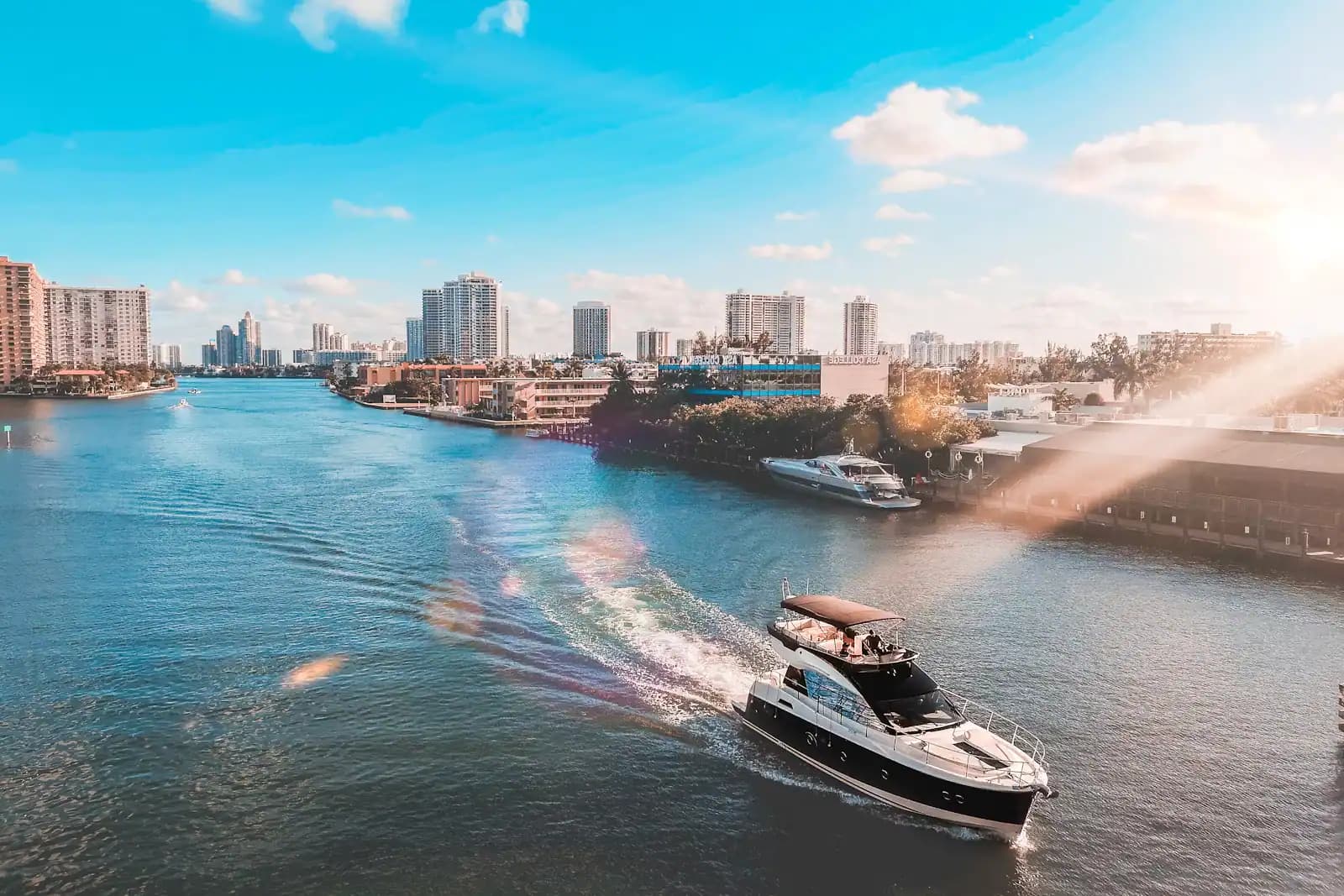
Marco Island is the largest of the Ten Thousand Islands, and hardly anybody arrives knowing it. What you see coming in over the Jolley Bridge is a planned resort island: mid-rise condominium towers standing shoulder to shoulder along a long Gulf-facing arc of sand, a grid of bulkheaded canals behind them, golf courses, marinas, a supermarket, a shopping plaza. Orderly. Comfortable. Nothing like the Florida in the brochures about Old Florida.
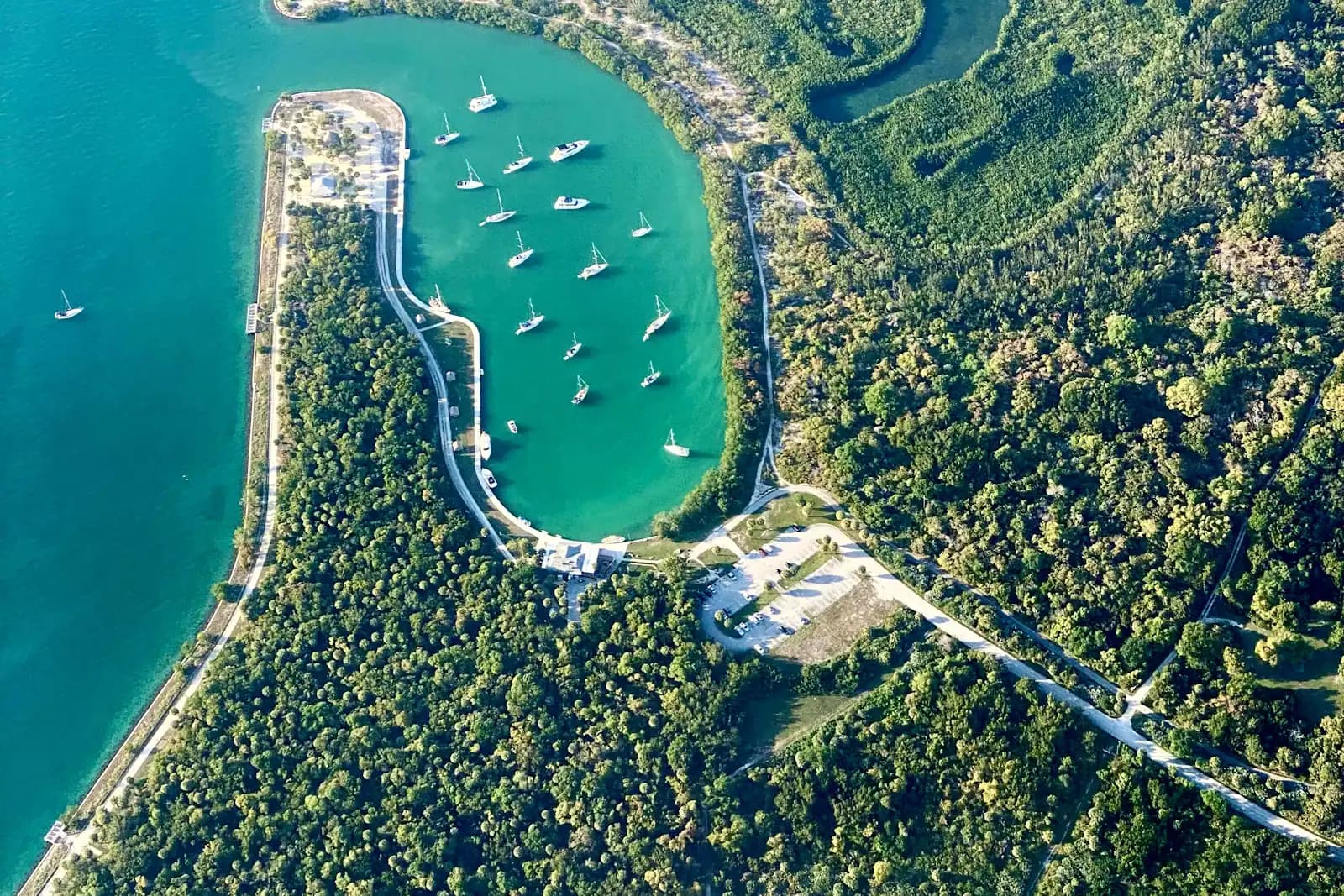
What you cannot see from the bridge is that this is the last piece of pavement on that coast. South and east of the island, the land dissolves into thirty-odd miles of mangrove keys, oyster bars and tidal creeks running down to Everglades City, and very few of the people who holiday here ever go out into it.
That contrast is the island. Grasp it on the first day and you plan a better week.
The shape of the place
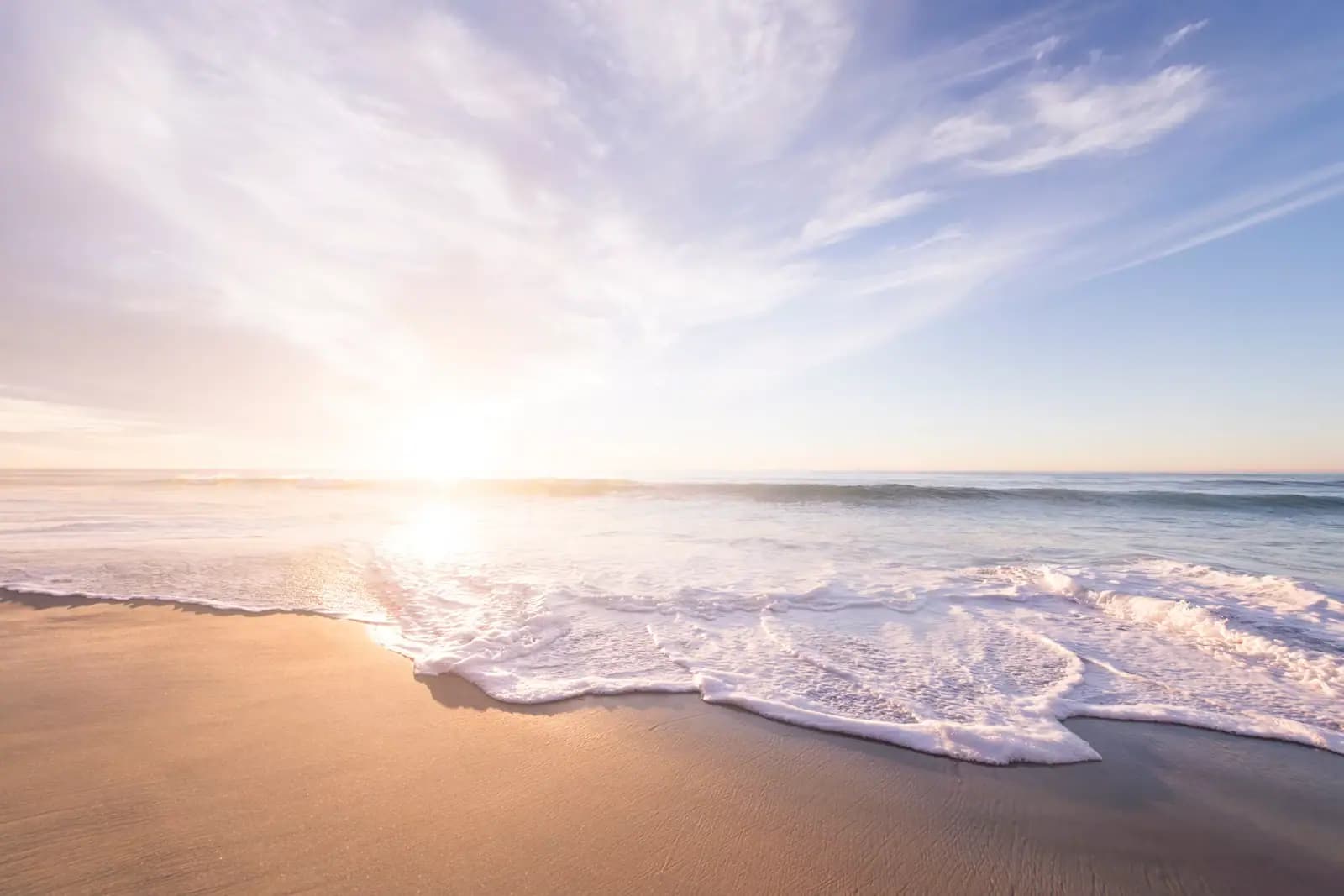
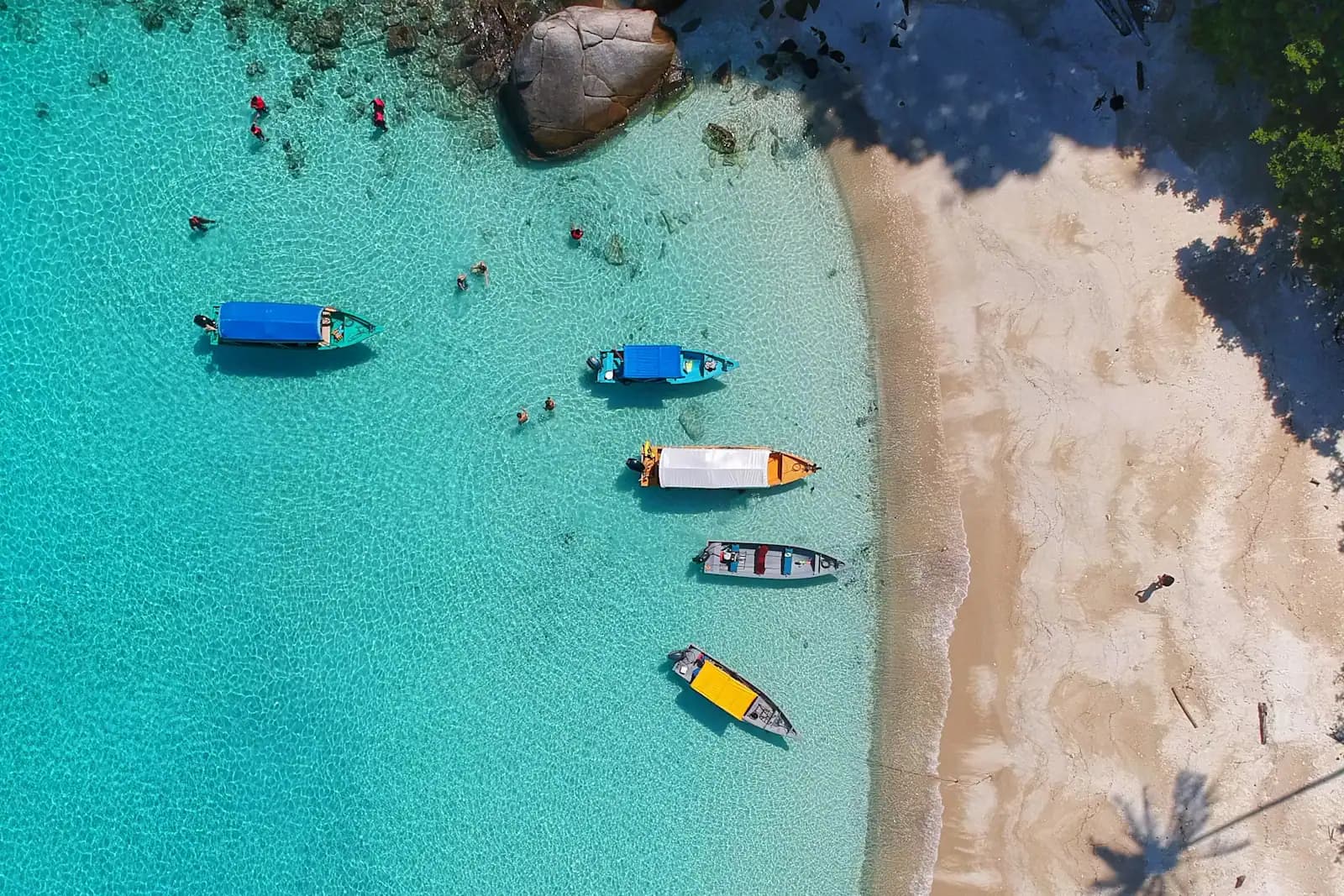
Marco covers roughly 24 square miles and carries something over 100 miles of navigable waterway. The beach is a single continuous crescent about six miles long facing west into the Gulf, which is why the sunsets here are a nightly civic event and why almost every condominium tower on the island has the same view.
The interior grid is not accidental. The Deltona Corporation, run by the Mackle brothers, opened modern Marco Island in 1965 with a master plan covering more than 12,000 homesites and roughly 90 miles of bulkheaded waterway. That is why so many houses have a boat lift in the back garden, why the street layout reads like a diagram, and why Marco feels newer and tidier than the older Gulf beach towns north of it.
Two bridges get you on. The S.S. Jolley Bridge carries Collier Boulevard (CR-951) in from the north. It opened in December 1969 as the Marco River Bridge with a forty-cent toll, went toll-free in 1979, and was given a second span in 2011 — which is the reason the drive in is bearable in February. The Goodland Bridge on CR-92 comes in from the east and lands you in a fishing village that has almost nothing to do with the resort side.
Getting here
Southwest Florida International (RSW) at Fort Myers is the airport people actually use: roughly 50 miles, about an hour in ordinary conditions, down I-75 and then south on Collier Boulevard. From mid-December to April add fifteen to thirty minutes, and understand that the delay is on the approach to the bridge rather than on the interstate. Naples (APF) sits about 20 miles away but handles private and charter aircraft rather than scheduled airlines. Marco Island Executive Airport, on the island's northeast corner, is general aviation.
Hire a car. There is no useful public transport, taxis and rideshares thin out in the evenings, and while the island is small, the beach accesses, the marinas and Goodland are not walkable to one another.
Three beaches, three different sets of rules
This is the thing first-timers get wrong, and it is worth ten minutes before you book.
| Beach | How you get on | What to expect |
|---|---|---|
| Tigertail Beach | County park at the north end. Pay-and-display lot; non-residents pay by the hour or for the day, Collier County residents park free with a permit | A lagoon, not open Gulf, at the car park. Wade the shallow water to Sand Dollar Island for the beach proper. Best birding on the island |
| South Marco Beach | County access with a lot on Swallow Avenue, roughly seventy spaces, then a short walk across South Collier Boulevard | Straight Gulf beach, sunrise to sundown, pay station or county permit. Fills early in season |
| Residents' Beach | Private, run by the Marco Island Civic Association. Passes for residents and qualifying renters; most beachfront hotels arrange access for their guests | Central, on the crescent, with facilities. If you are in a rental, ask the owner about this before you arrive rather than after |
There are also several marked public accesses along the beach with no parking attached to them, which are useful if you are staying within walking distance and useless if you are not. Check current parking charges at the meter rather than trusting any figure written a year ago, including this one.
The island's actual subject is the water
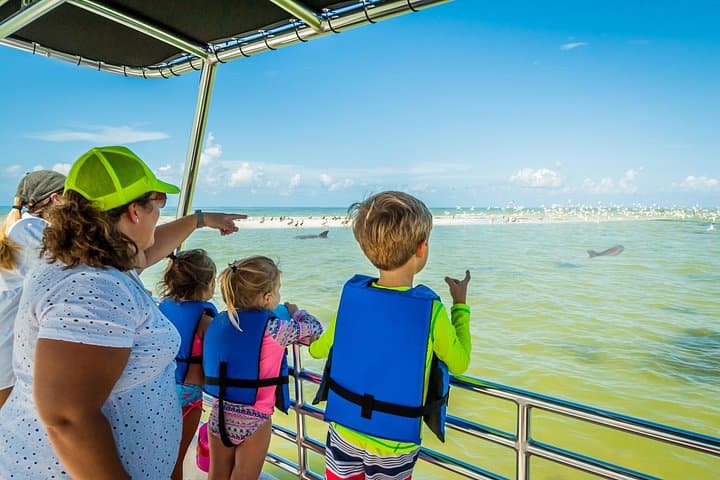
Marco sells itself on the beach and earns its reputation on the boat. From a dock on the island you are ten minutes of no-wake water from the Marco River mouth, half an hour from the undeveloped eight-mile strand of Keewaydin Island, and inside the Ten Thousand Islands almost immediately after that. Bottlenose dolphins are resident here, not seasonal. The backcountry fishing is genuinely good. The shelling on the outer keys is better than anything you will find with your feet on Marco itself.
You do not need to own a boat, and for most first visits you should not rent one either. Book a captain. Two reasons: the channels out there are unmarked, shallow and rearranged by every serious storm, and a guide is the difference between looking at mangroves and understanding what you are looking at.
A sensible first three days
- Day one. Tigertail at low tide, wading over to Sand Dollar Island with shoes you do not mind soaking. Sunset from the beach. Book the boat for day two while you are still at the beach.
- Day two. Out on the water: a half-day in the Ten Thousand Islands, a dolphin survey trip, or a shelling run to the outer keys. Dinner in Goodland if you want the other Marco.
- Day three. Something inland and something slow. Rookery Bay's Environmental Learning Center on the way to Naples, the Marco Island Historical Museum, then an hour spent finding the staked burrowing owl burrows that sit on vacant lots all over the residential streets.
Things that catch people out
Turtle season runs half the year
Marco's beaches are turtle nesting habitat from 1 May to 31 October, and the city's lighting ordinance requires lights visible from the beach to be off, shielded or modified after 9 p.m. through that window. Balcony lights included. Fines escalate.
Empty shells only
Collier County allows you to take empty shells only. No live sand dollars, no live starfish, no occupied fighting conchs. A shell that is still someone's house stays on the beach.
Bugs, and how sharp the season is
No-see-ums are real, they are worst at dawn and dusk near the mangroves, and ordinary mosquito repellent is only partly effective against them. Long sleeves at sundown solve more than chemistry does.
And the season is sharper here than on most Florida islands. January through March the island is full, the restaurants want reservations and the bridge backs up. September is hot, quiet and cheap, and it is also the statistical peak of hurricane season.
What Marco is not
It is not a nightlife destination. Dinner runs late-ish and then the island goes quiet, and visitors who wanted a bar strip are disappointed by about 10 p.m.
It is not a bargain in February. Peak rates here sit at the upper end of the Gulf coast.
And it is not the shelling-and-bicycles island that Sanibel is, an hour and a half north. Marco's wildlife, its geography and its whole reason for existing point in one direction, which is out into the water behind it.
What a first visit actually costs
Nobody publishes an honest figure for this, so here is the shape of it rather than a number that will be wrong by next season.
Accommodation is the whole budget. A Gulf-front condominium or resort room in February costs multiples of the same room in September, and the difference is larger on Marco than at most Florida beach destinations because the inventory is limited and much of it is privately owned. Book peak season months ahead or take what is left.
Beach parking at the county accesses is a few dollars an hour or around ten for the day for non-residents, paid at the machine. It is free with a Collier County beach permit, which you cannot get as a visitor.
A half-day guided trip into the Ten Thousand Islands, a dolphin survey cruise or a shelling run sits in the general range of a hundred dollars a head and up, with private charters considerably more. Marco's booked inventory skews higher than a typical Gulf beach town; roughly a sixth of what is sold here is priced above $250.
Museums are the cheap part. The Marco Island Historical Museum has been free to enter, and Rookery Bay's learning centre charges a modest single-figure admission. Confirm both before you drive over.
Last updated
Opening hours, ordinances and prices move with the season. We re-check this guide rather than rewrite it, and the date above is the last time someone did. How we research and correct.