Marco is an expensive island to sleep on and a cheap one to spend a day on, provided you understand where the money actually goes. Almost nothing here charges admission. What charges is the car. Collier County runs the two public beach lots on a pay-to-park basis at roughly ten dollars a day, and the free permit that makes it painless is restricted to county residents and property owners. Arriving on foot or by bicycle costs nothing at either entrance, which is the single biggest saving available to a visitor and the reason so many people staying mid-island cycle up Hernando Drive rather than drive.
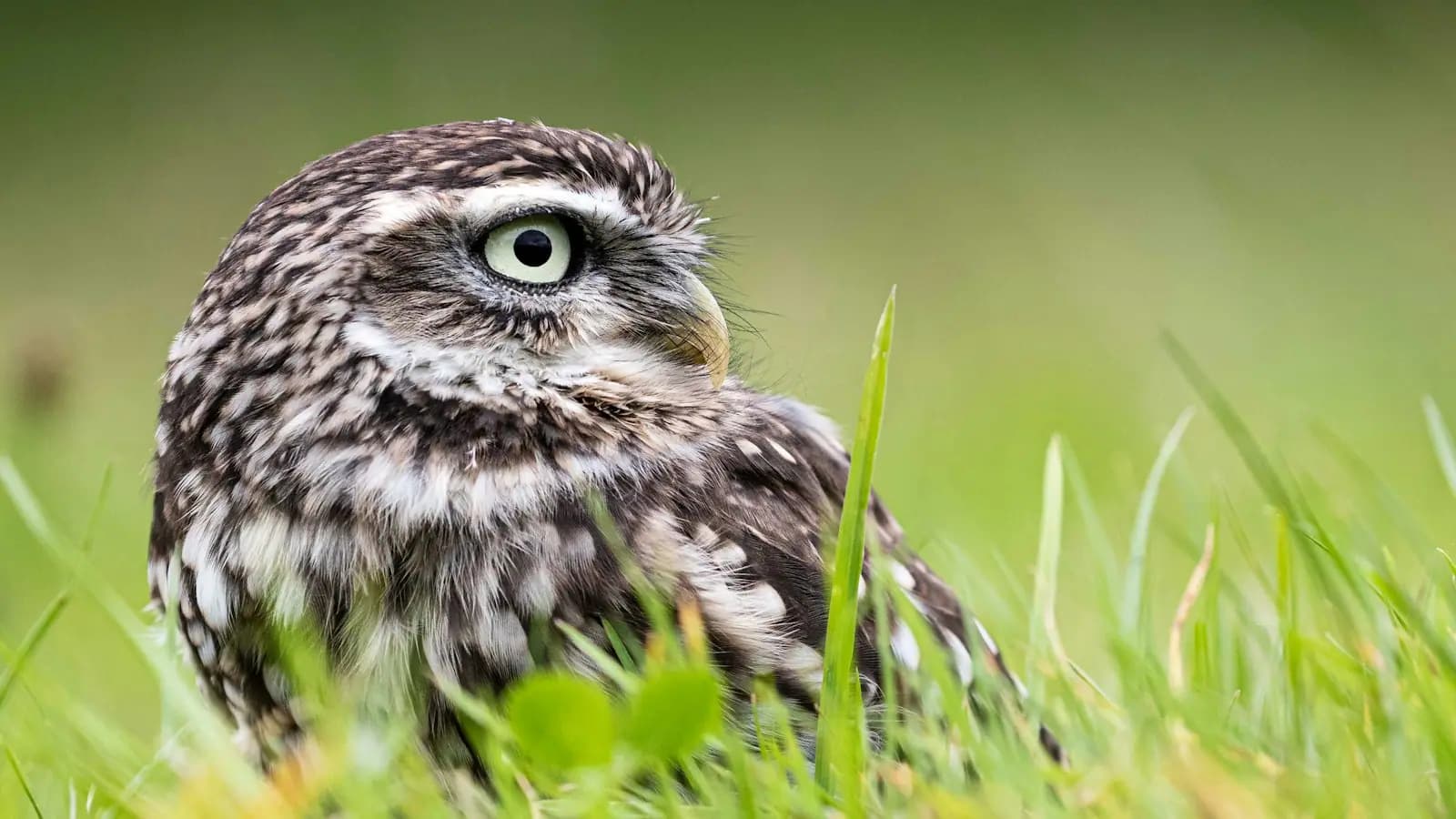
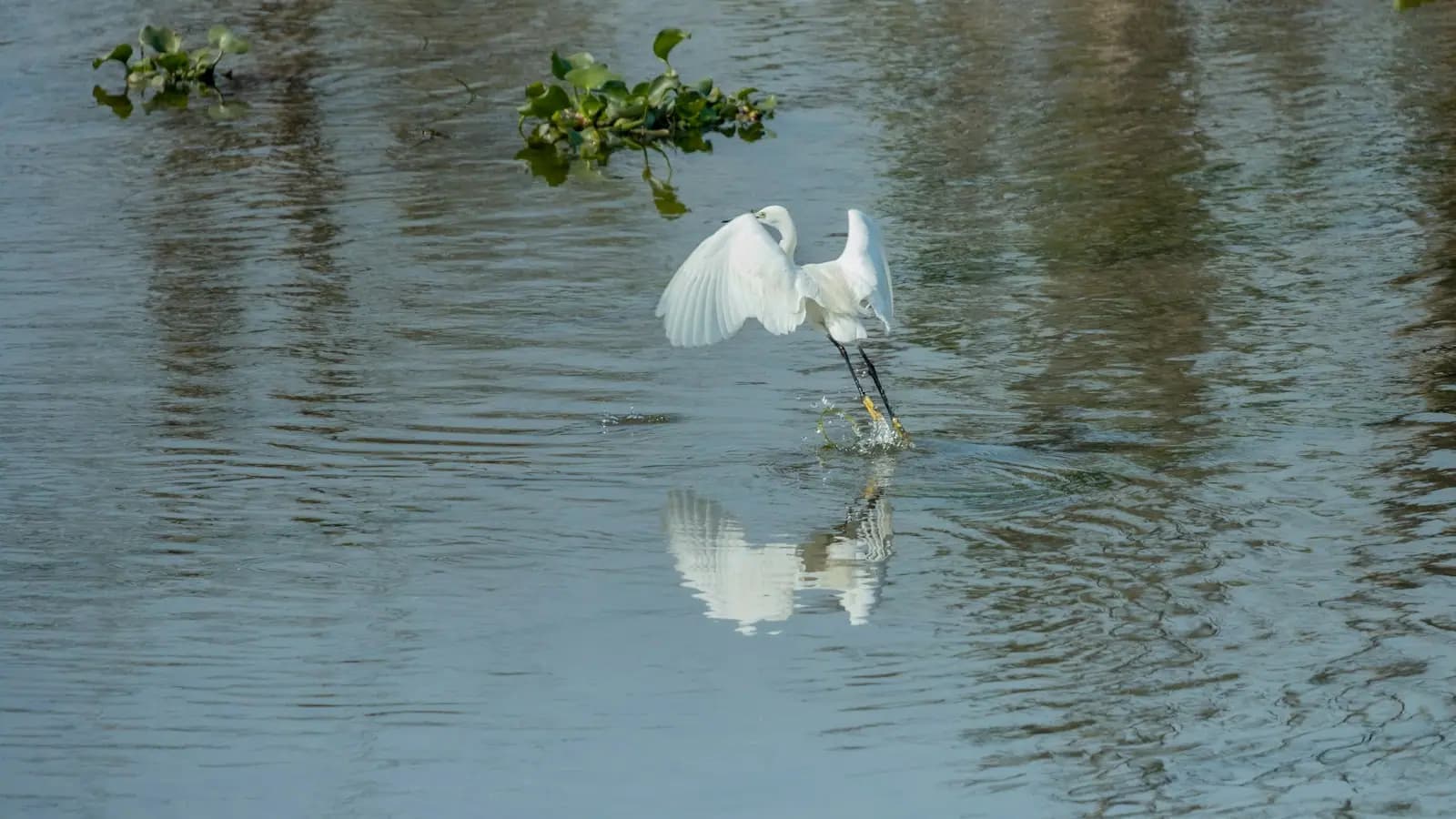
Once you have solved parking, the genuinely free list here is unusually good, and the best item on it is one of the strangest wildlife experiences in Florida. Florida burrowing owls live on Marco's vacant residential lots, digging into sandy building plots that were platted in the 1960s and never built on. They stand outside their burrows in daylight while people walk past. The city protects them with a listed-species ordinance and a required buffer, volunteers with a programme called Owl Watch monitor several hundred burrow sites across the island, and the population has climbed past four hundred birds. It costs nothing, needs no booking, and asks only that you stay on the public pavement.
The island's museum is free too. The Marco Island Historical Museum on South Heathwood Drive charges no admission and covers the Calusa, the clam canneries at Caxambas, and the Mackle brothers' 1960s build-out that produced the street grid you are standing in. One honest note: the Key Marco Cat, the small carved feline excavated here in 1896 and loaned back from the Smithsonian, returned to Washington in April 2026 at the end of that loan. Go for the Calusa story, not for the cat.
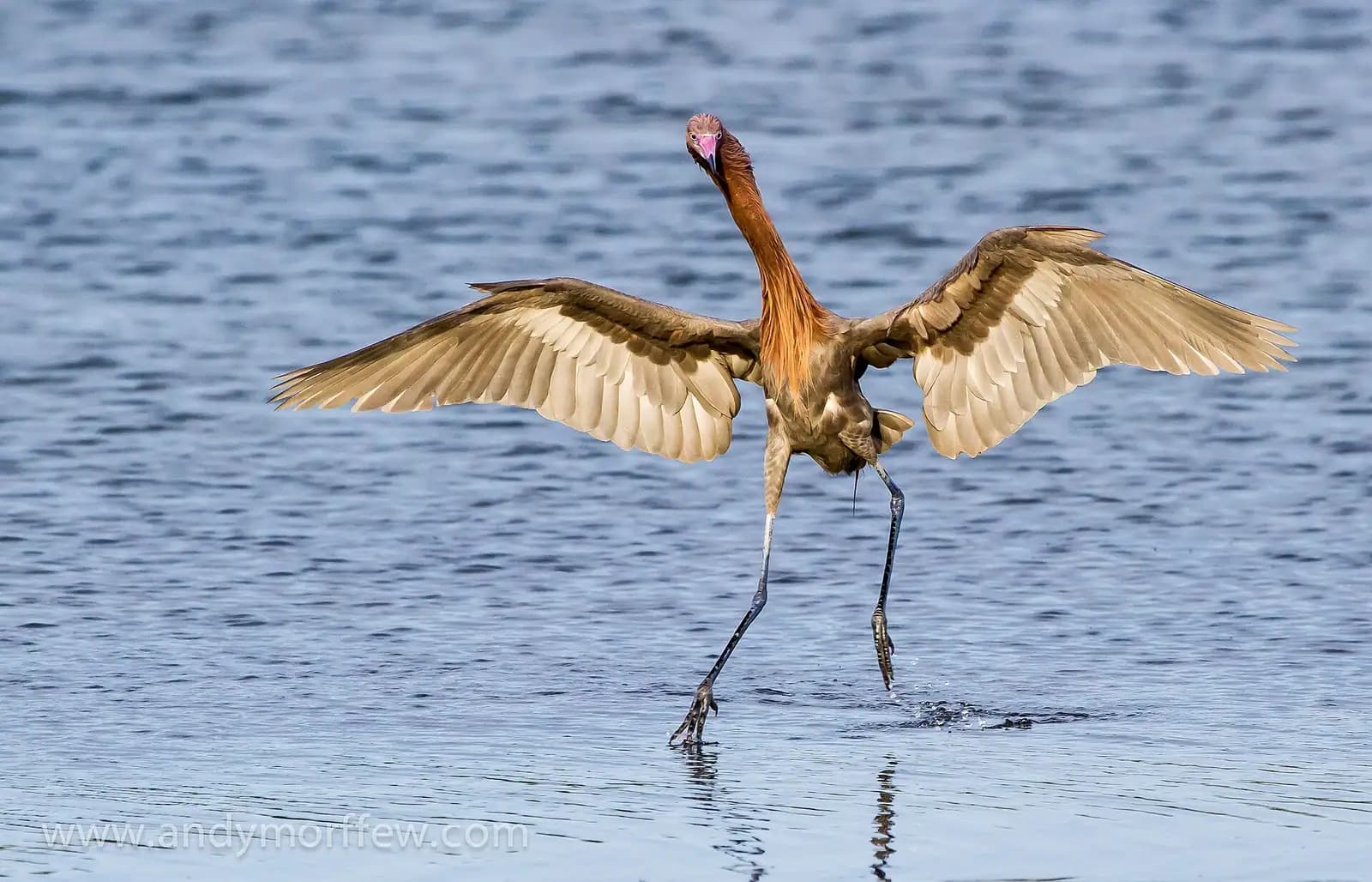
Add a free county preserve on a Calusa shell mound, a boat ramp road that is open dawn to dusk and full of birds, a farmers market through the winter, a night sky protected by a turtle lighting ordinance, and the low tide that turns the north end of the island into a mile of wet sand, and you have a week that costs almost nothing.
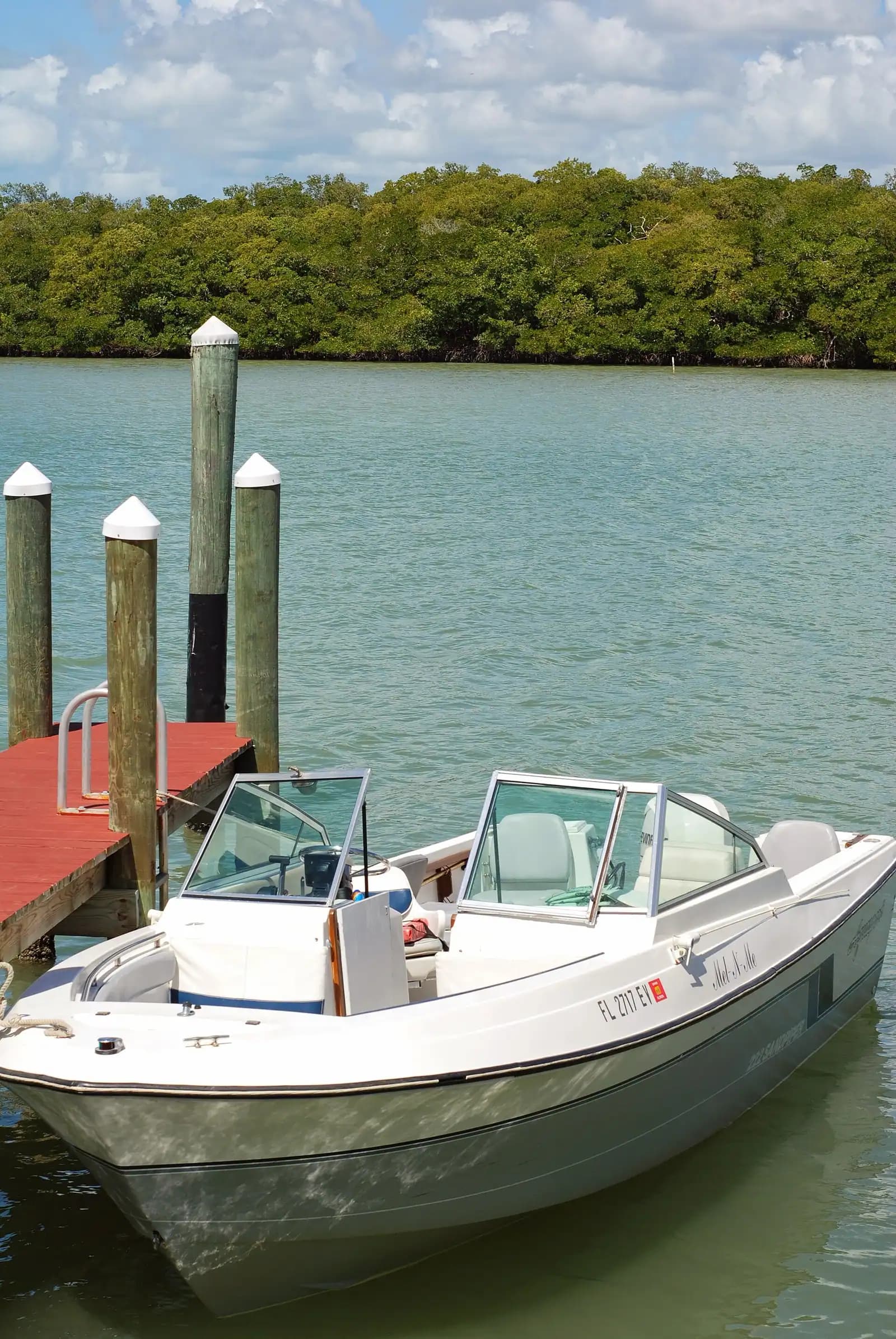
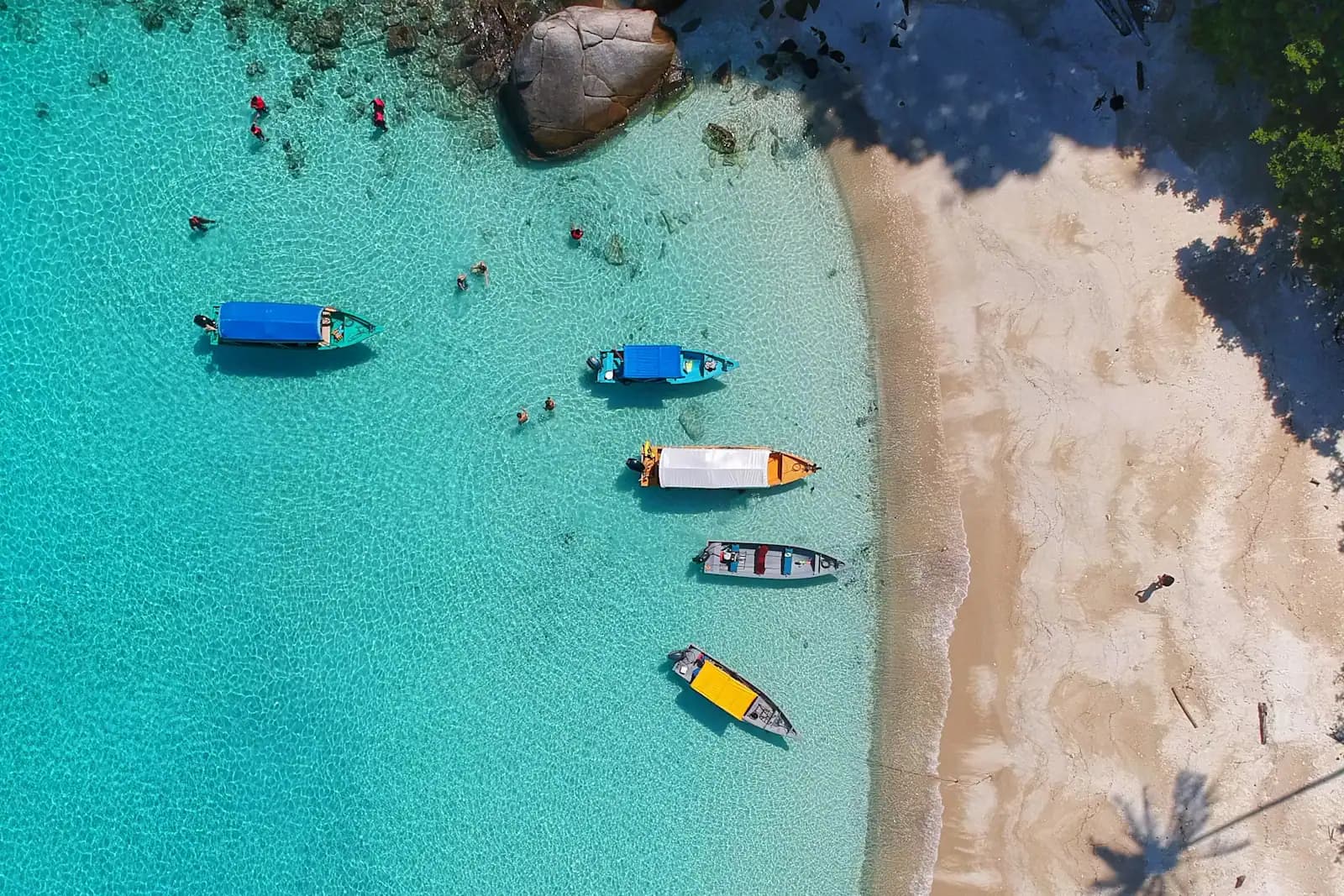
What is not free, and is sometimes described as though it were: Residents' Beach, which is a members-only club and not open to short-stay visitors, and the boat trips that reach the outer islands. On an island where the good stuff is offshore, the free list is necessarily a land list. It is a better one than you would expect.