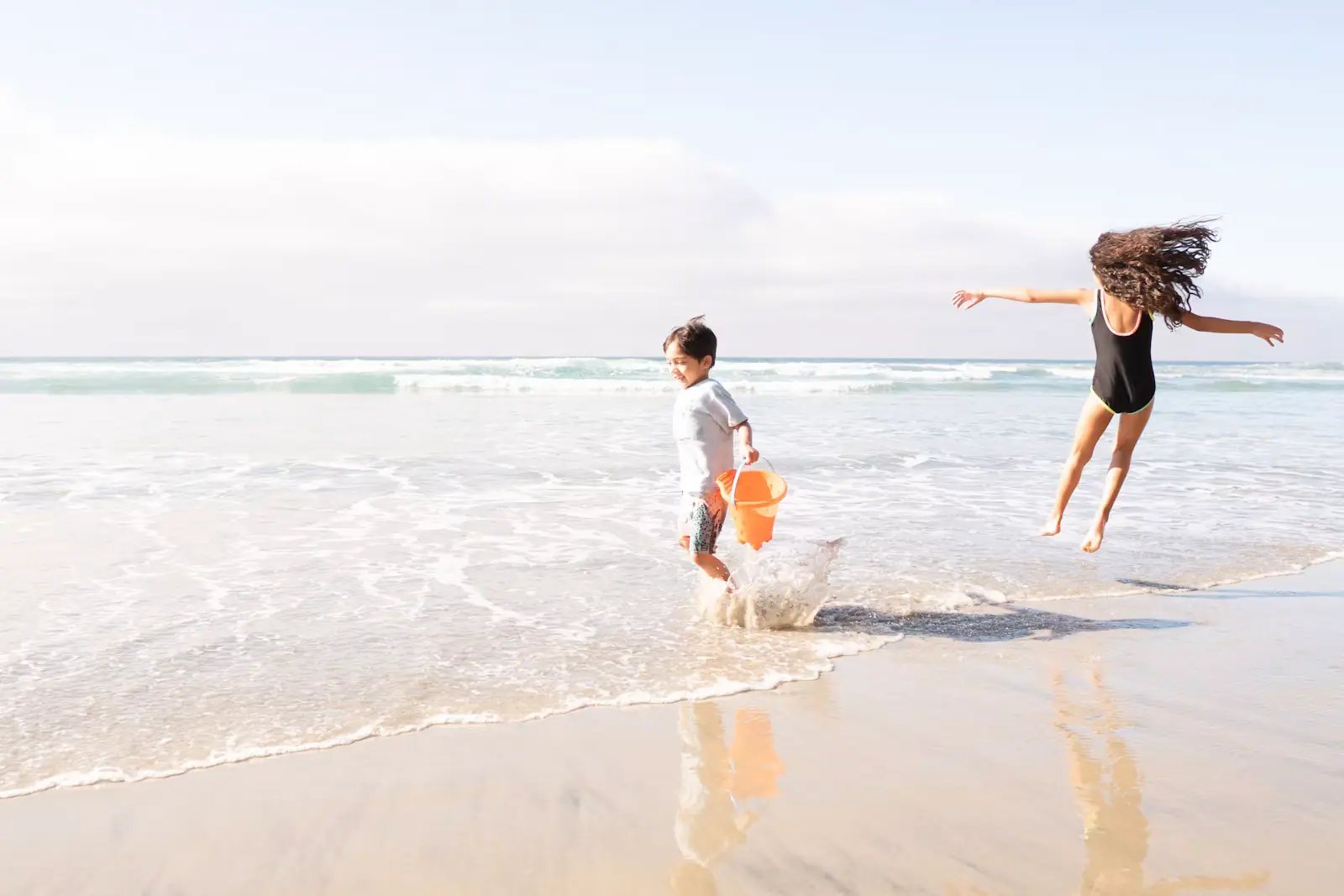
Marco is an easy island to take children to, for reasons that sound boring and matter enormously. The Gulf here is flat most days and shelves gently, so a four-year-old can stand a long way out. Nothing is more than twenty minutes' drive from anything else. The island is quiet after about nine in the evening, which means a family that eats at six is not fighting a nightlife district for a table.
What it is not is an attractions destination. There is no theme park, no aquarium of any size, no water park. The good things here are outdoors, several of them are free, and the best one involves owls.
The owls, which nobody expects
Marco Island has one of the most significant burrowing owl populations in Florida, and they live in holes in the ground on ordinary residential vacant lots, between houses, beside pavements.
They are small, ground-nesting owls, active in daylight, and they stand at the mouth of the burrow and stare at you. Active burrows are marked out with stakes and roped or taped buffers by volunteers with Audubon of the Western Everglades' Owl Watch programme, which also digs starter burrows to encourage new pairs. The city has run an unusual safe-harbour arrangement with property owners to protect them, at one point paying a small incentive for successful starter burrows.
For a child, this is a genuine treasure hunt with a live animal at the end of it, and it costs nothing. Drive or cycle the residential streets, look for the stakes, and stop well back. Stay outside the roped area, stay in or beside the car if the birds are agitated, and do not let anyone approach the hole. A stressed adult owl abandons a nest.
Water, which is what the island is for
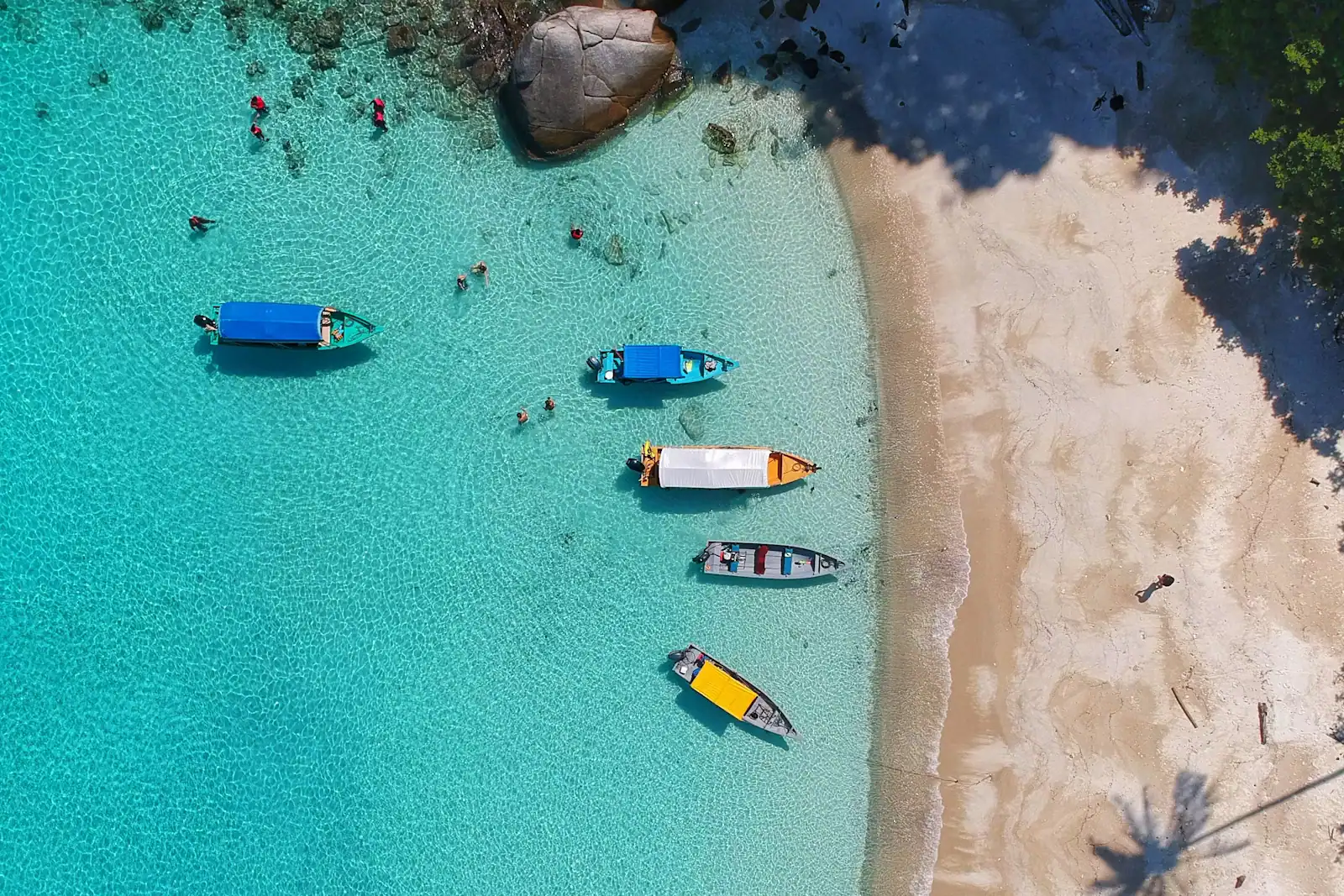
Tigertail Beach is the family beach, and not for the obvious reason. The car park faces a shallow lagoon rather than the open Gulf, and the crossing to Sand Dollar Island at low tide is a wade through warm ankle-deep water that children find far more interesting than a normal beach. Take water shoes. Check the tide, because near high water the crossing is two to three feet deep and not a toddler proposition.
The lagoon itself is protected water for a first go on a paddleboard or a double kayak, both rentable at the park. And the tidal flats at low water are dense with birds, crabs, and things in shells, which is a better natural history lesson than most museums manage.
South Marco Beach is the straightforward option: park on Swallow Avenue, cross the road, ordinary excellent Gulf beach with restrooms.
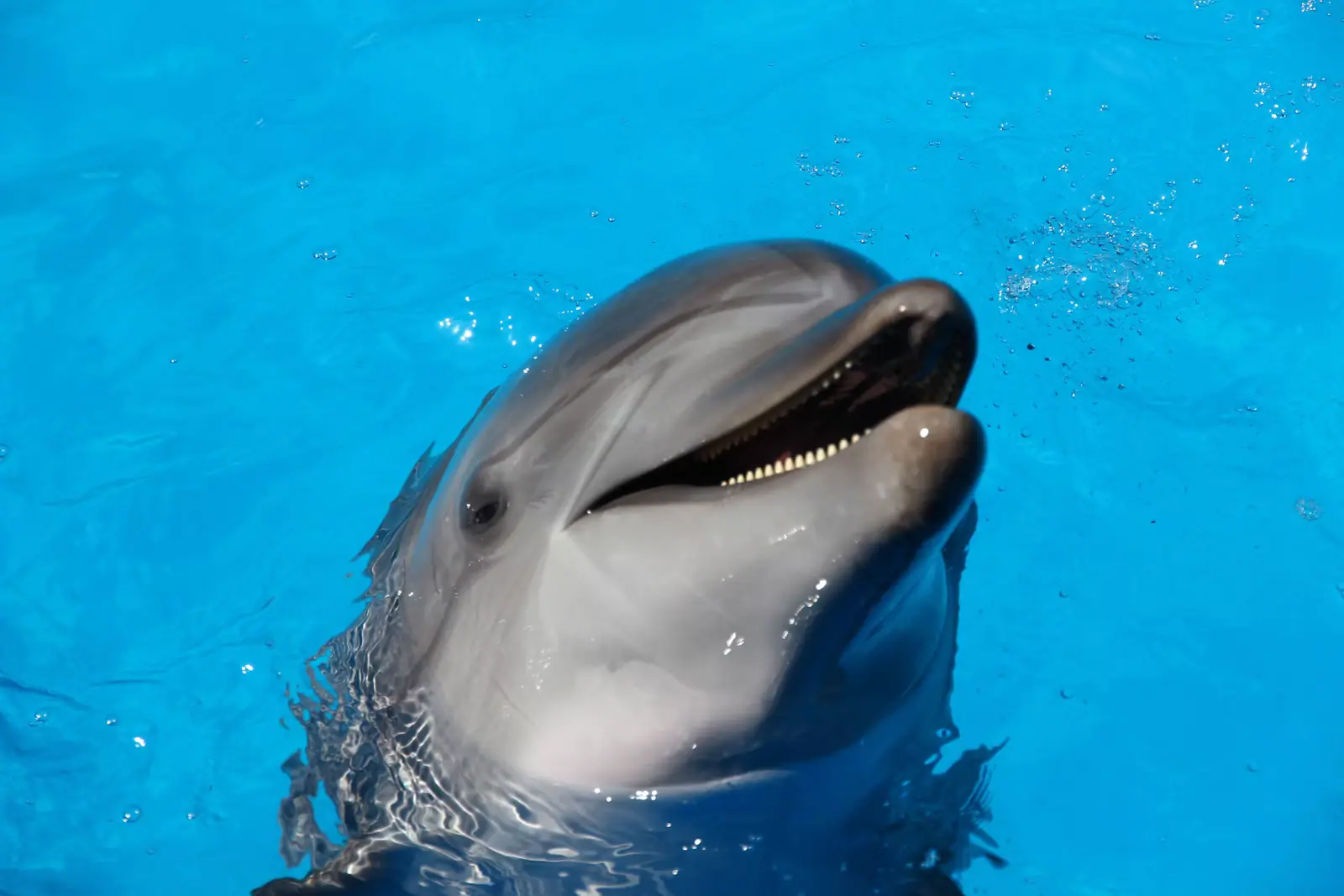
A dolphin trip is the paid activity most worth the money here. The resident bottlenose dolphins in these waters have been studied continuously since 2006 by a long-running photo-identification project that has catalogued more than three hundred individuals, and the survey trips take paying passengers along as extra eyes. Children are given a real job, the naturalist knows the animals by name and dorsal fin, and it is a great deal better than a boat that chases a wake for twenty minutes. Trips run in the morning and early afternoon and typically last around three hours, which is the upper limit for most under-sevens.
What to do, by age
| Under 5 | 5 to 10 | 11 and up | |
|---|---|---|---|
| Beach | Tigertail lagoon at low tide, South Marco | Wade to Sand Dollar Island, shell hunt | Paddleboard, long low-tide walks |
| On the water | Short harbour or sunset cruise | Dolphin survey trip | Shelling charter, half-day backcountry trip |
| Wildlife | Owl hunt by car | Owl hunt, Rookery Bay learning centre | Rookery Bay, Everglades day trip |
| Indoors | Historical museum, short visit | Historical museum, Calusa village | Museum, then the Everglades boardwalks |
| Free | Sunset on the beach, fishing off a dock | Low-tide flats, owl stakes | Cycling the residential grid |
The museums, honestly
The Marco Island Historical Museum has been free to enter and is genuinely good for the hour it takes: a life-size reconstructed Calusa village, several hundred pre-Columbian artefacts found on this island, and activity stations aimed at children.
One thing to set expectations about. The Key Marco Cat, the small carved wooden feline figure excavated here in 1896 and one of the finest pieces of pre-Columbian art found in North America, was on long-term loan from the Smithsonian and returned to Washington in 2026. If your child has read about the cat, say so before you arrive rather than in the gallery.
Rookery Bay's Environmental Learning Center, about twenty minutes north on the way to Naples, charges a modest single-figure admission and has a large aquarium, hands-on exhibits and boardwalk access into the estuary. Check current hours and which trails are open before driving over: the reserve's Briggs boardwalk has been closed for renovation, and the learning centre's hours have varied by season.
Rain, heat and the afternoon
Summer afternoons here produce thunderstorms with real lightning, usually building between one and four. Plan the outdoor half of the day for the morning and keep the museum, the pool or a long lunch for the afternoon. Beach umbrellas are not lightning shelter and the beach is the worst place on the island to be in a storm.
Heat is the other constraint from May to September. Shade on Marco's beaches is minimal, the sand reflects, and children overheat faster than the adults watching them. Go early, come back at eleven, go out again at four.
No-see-ums bite at dawn and dusk, worse near the mangroves and the canals, and they get through ordinary insect repellent more easily than mosquitoes do. Long sleeves at sundown beat chemistry.
The rules children need to hear
Sea turtle nesting, 1 May to 31 October
Two rules matter for families. Fill in every hole you dig before you leave the beach and flatten the sandcastles, because a hatchling that falls into a hole at night does not get out. And no torches or phone lights on the beach after dark during those months. Marco's lighting ordinance covers balconies and windows too.
Empty shells only
Collier County does not permit taking live shells, sand dollars or starfish. A sand dollar that is brown and fuzzy is alive. Putting it back is the lesson.
Stay out of the roped areas
That means the marked ground on the Tigertail flats and away from staked owl burrows. Both protect nests, and both are the sort of rule children enforce on adults with great enthusiasm once they understand why.
Last updated
Opening hours, ordinances and prices move with the season. We re-check this guide rather than rewrite it, and the date above is the last time someone did. How we research and correct.