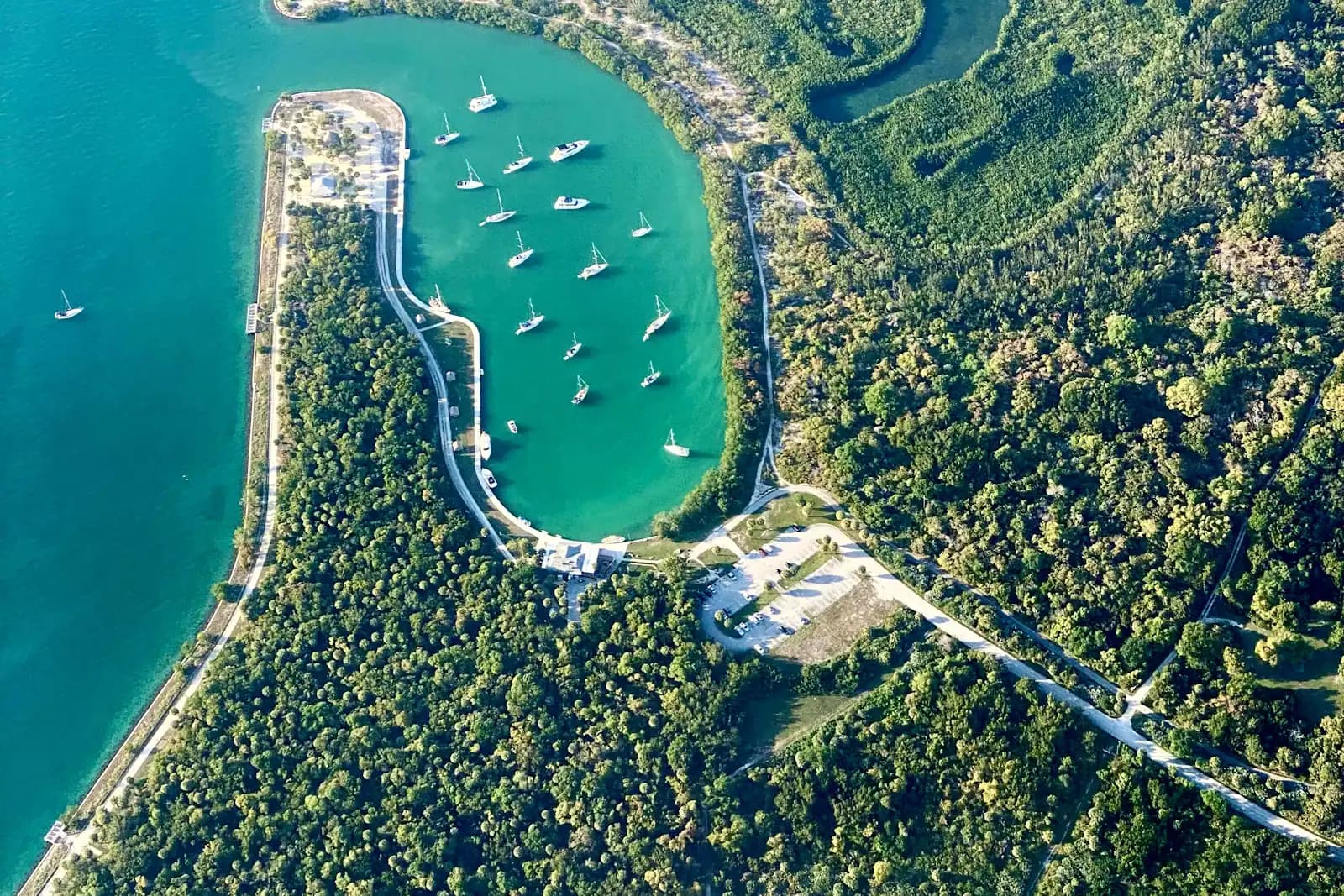
Marco is a planned island. Canals, cul-de-sacs, mid-rise towers along the Gulf, a golf club, a supermarket. On paper it should be the least interesting wildlife destination on this coast, and in practice it is one of the best, for a reason that has nothing to do with wilderness and everything to do with edges.
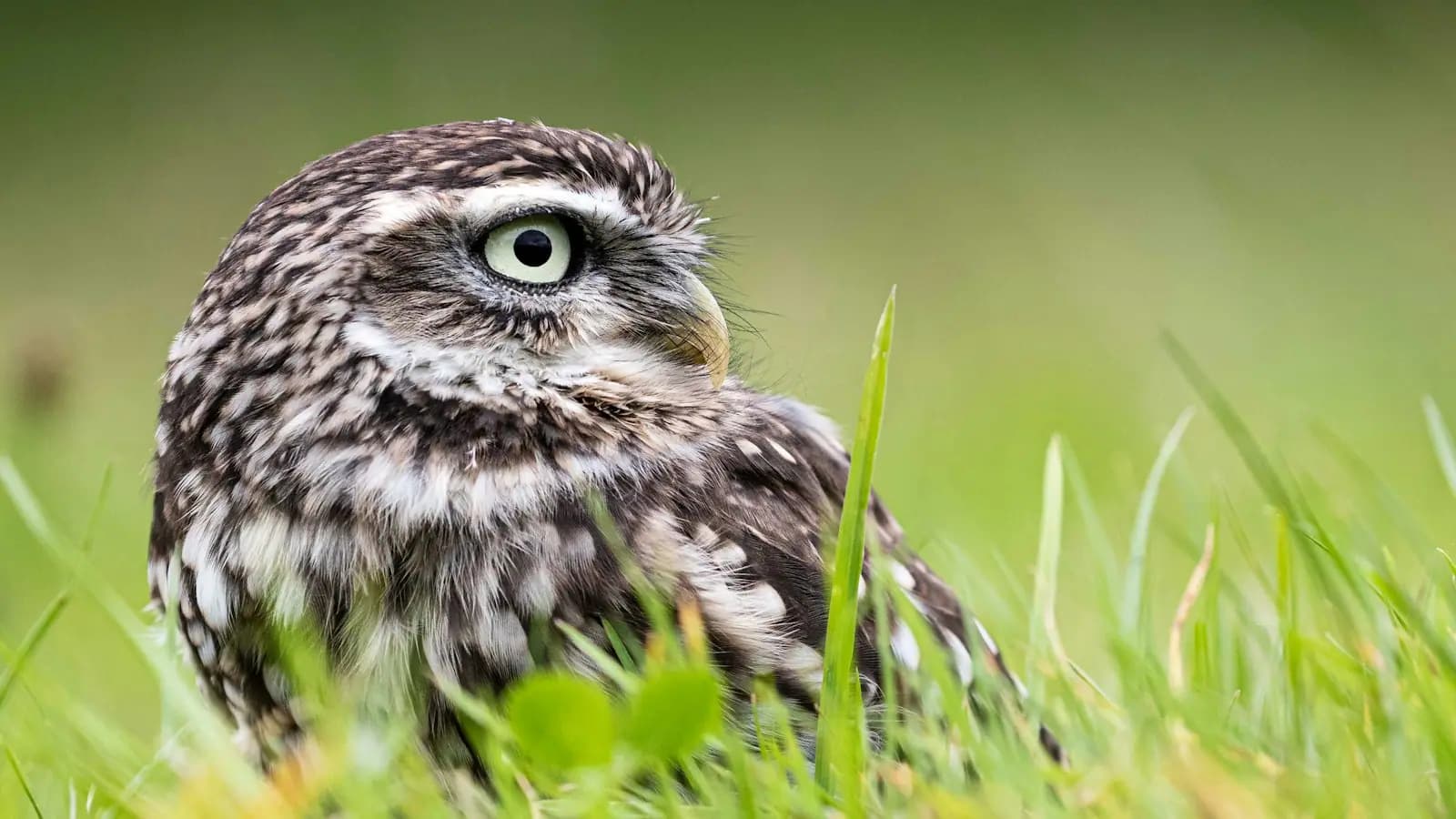
Start with the strangest thing here. Florida burrowing owls, small ground-dwelling birds about nine inches tall, live on Marco's empty residential lots. They dig into the sandy fill of building plots that were platted in the 1960s and never built on, and they stand at the mouth of the burrow in daylight watching people walk past. The city protects them under a local listed-species ordinance, requires a buffer around active burrows, and will not issue a building permit that takes one during the nesting months without state authorisation. A volunteer programme called Owl Watch, run with Audubon Western Everglades and the University of Florida, has more than a hundred people monitoring several hundred burrow sites, and the island population has grown past four hundred birds. You do not need a tour, a guide or a boat. You need a street map and the discipline to stay on the pavement.
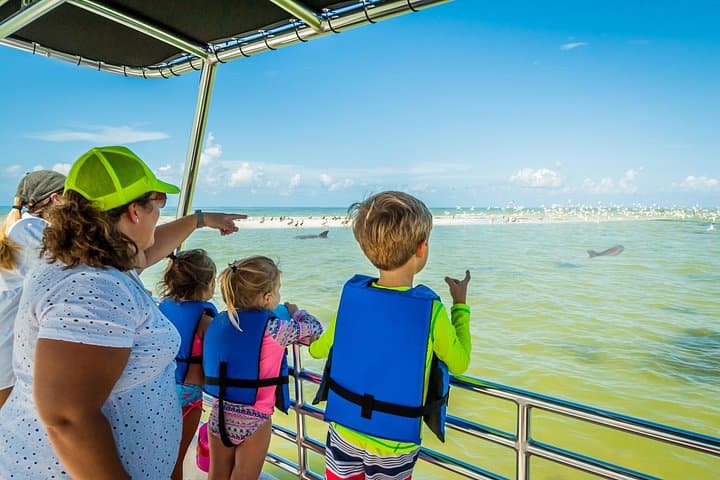
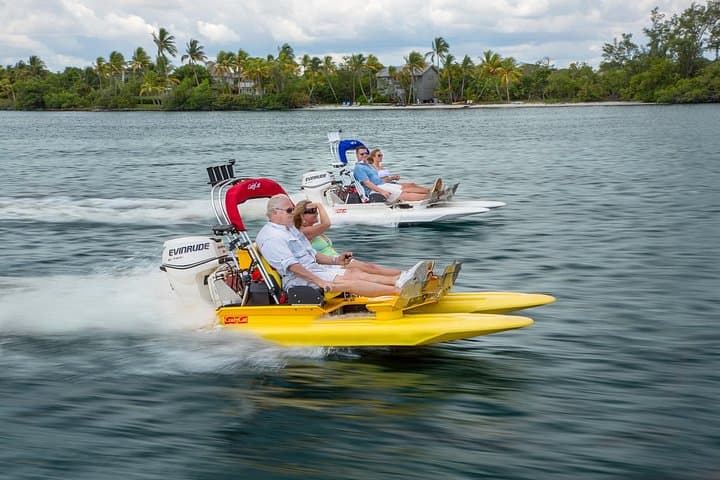
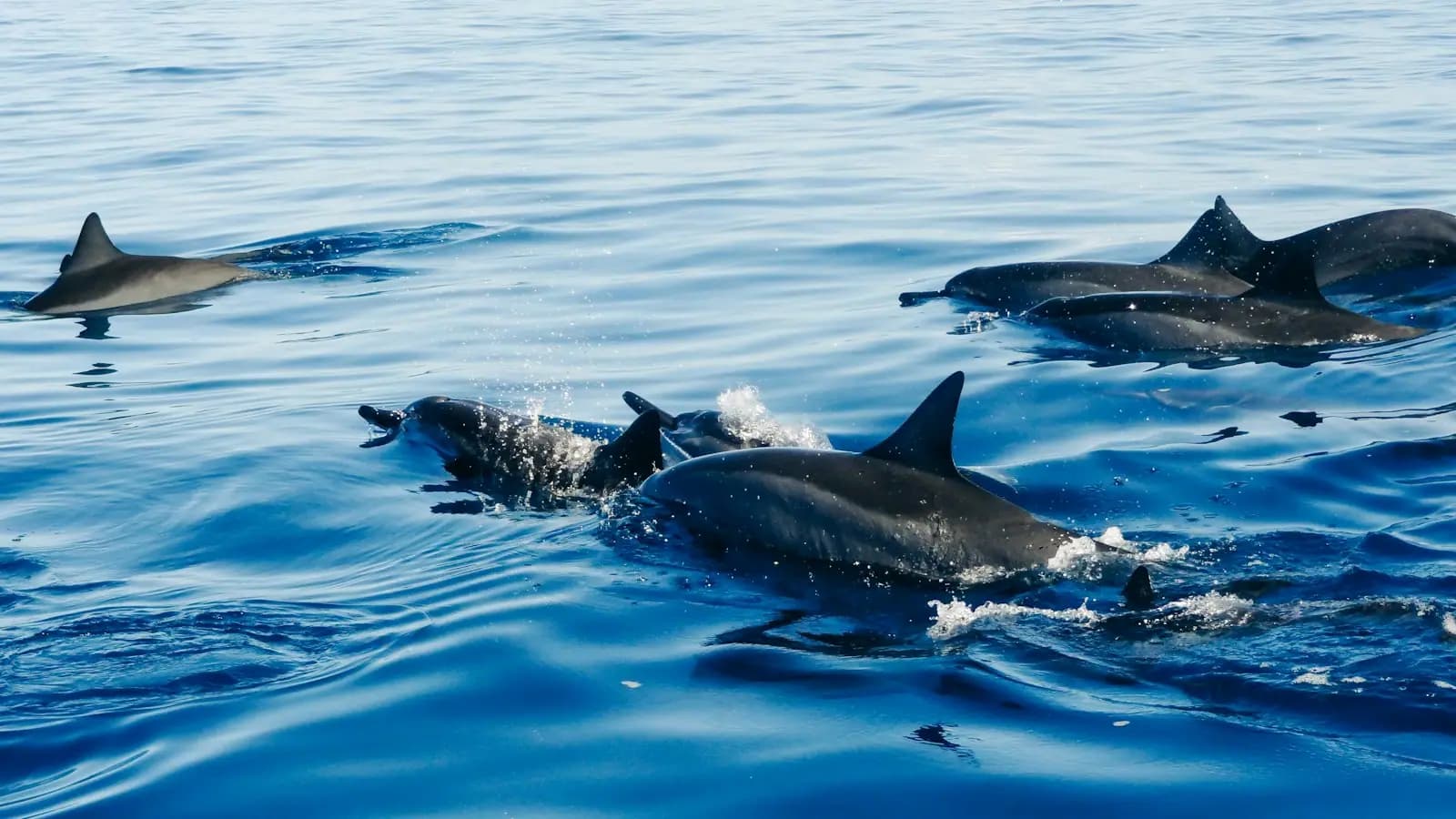
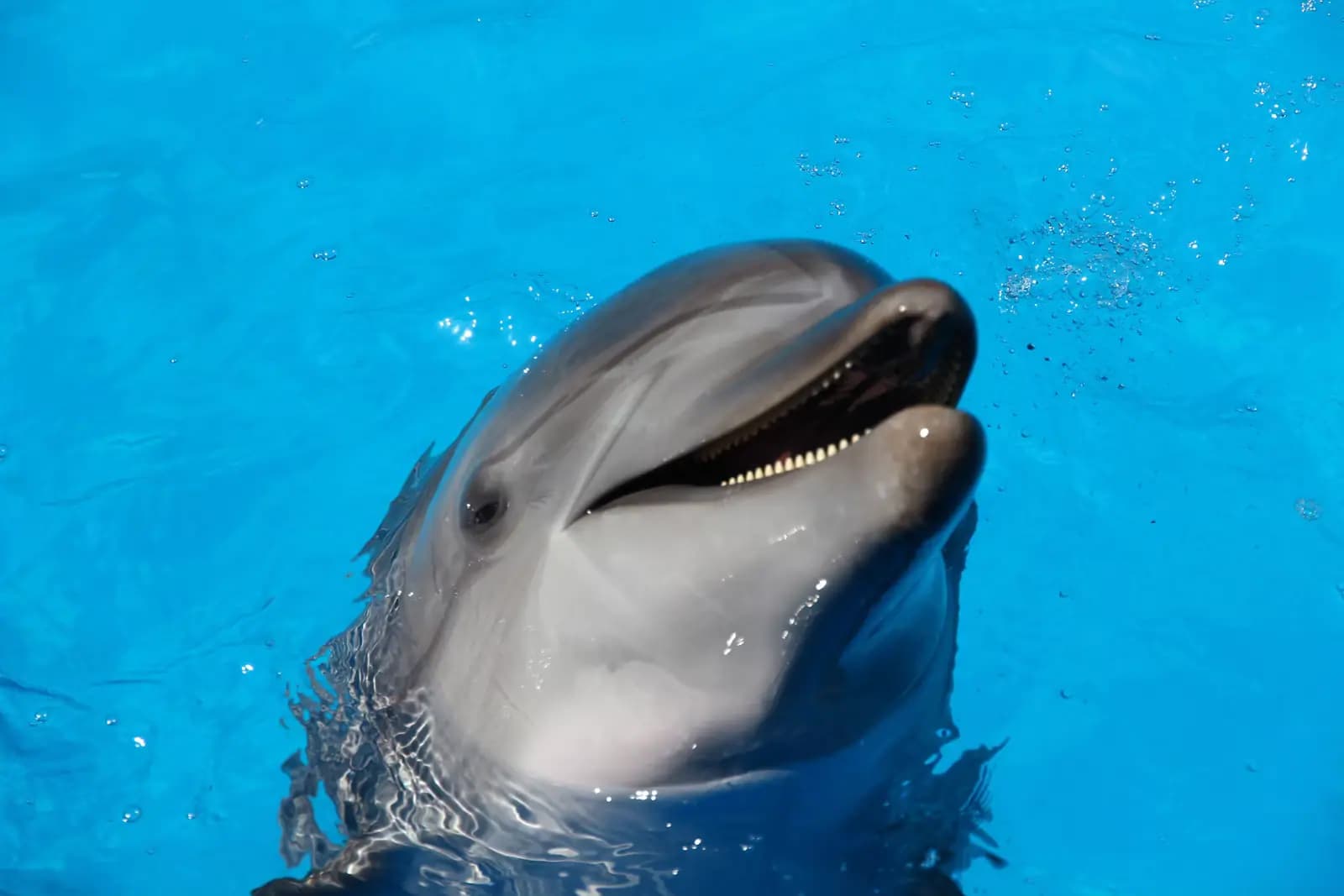
Then there is the water. The same channel system that makes this a boating island makes it a wildlife one. Bottlenose dolphins here have been studied continuously since February 2006 by a project working out of a local marina, which has photo-identified and named more than three hundred individuals from dorsal fin markings. Guests aboard the survey vessel log sightings, and new calves are often named by whoever is on board the day they first appear. It is the difference between watching a dolphin and watching a dolphin somebody knows the mother of.
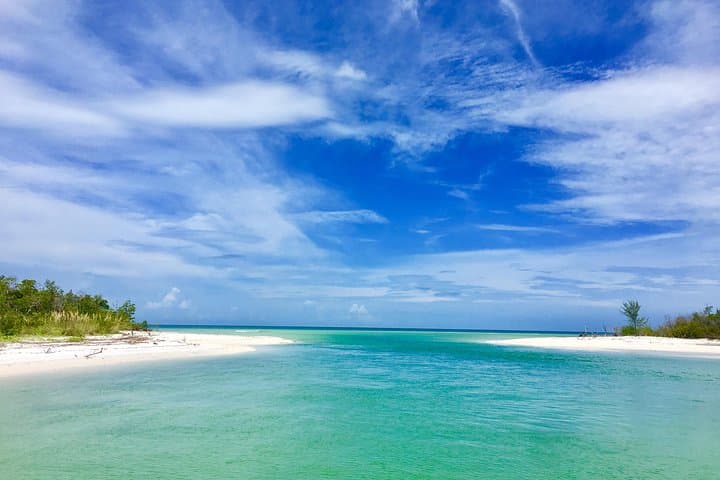
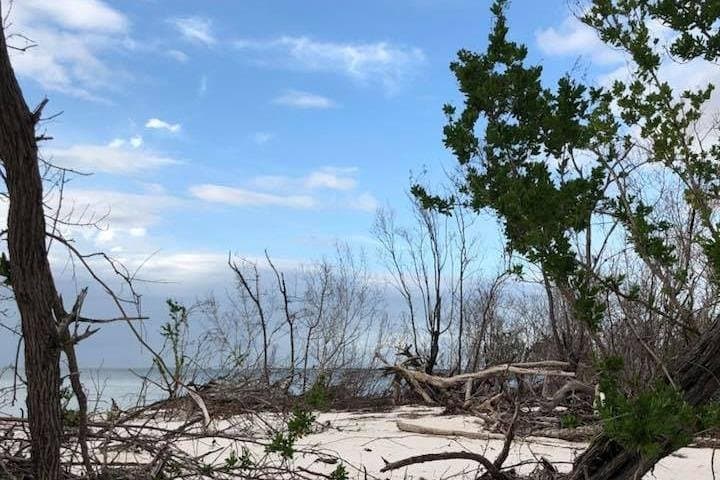
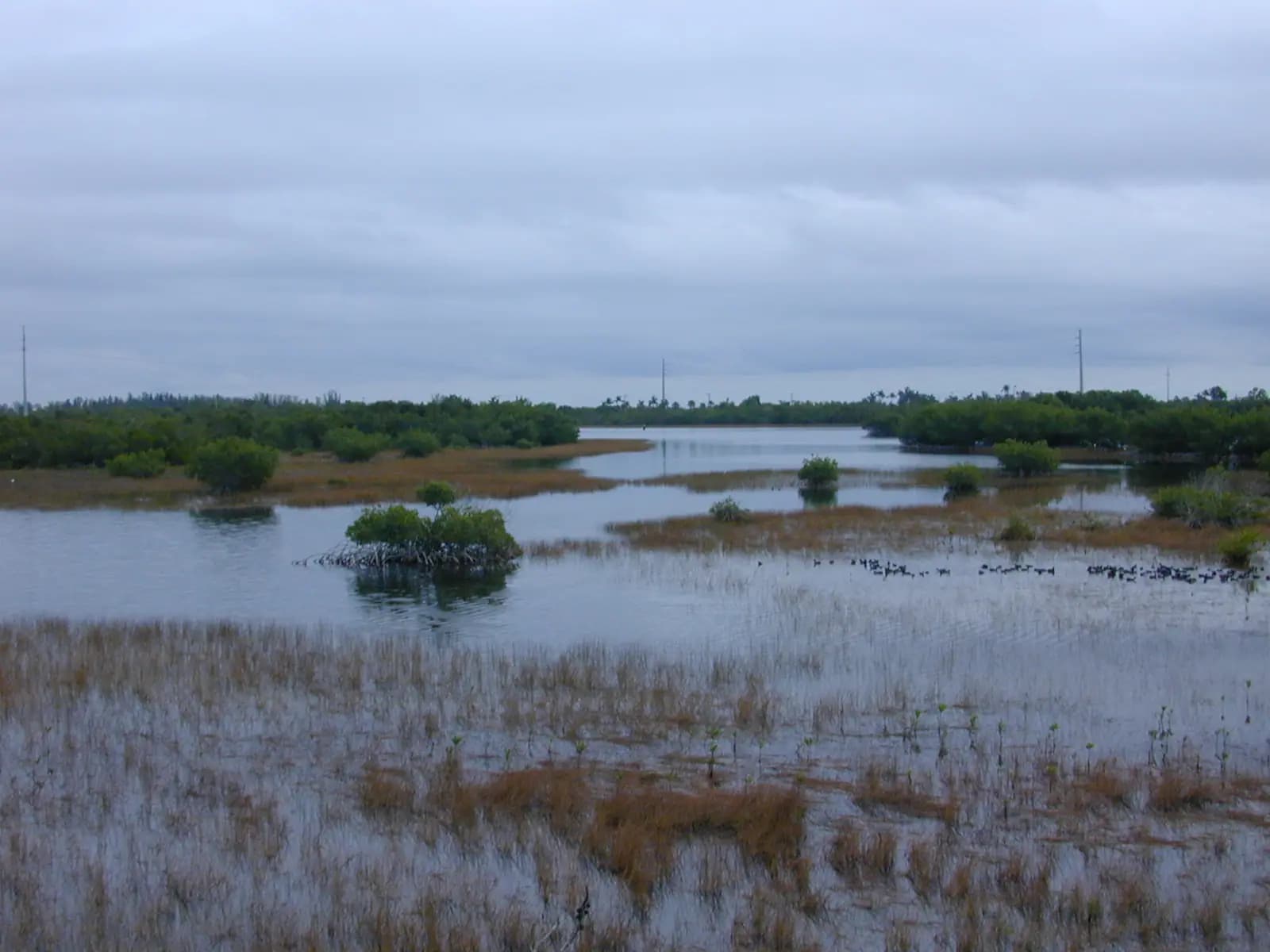
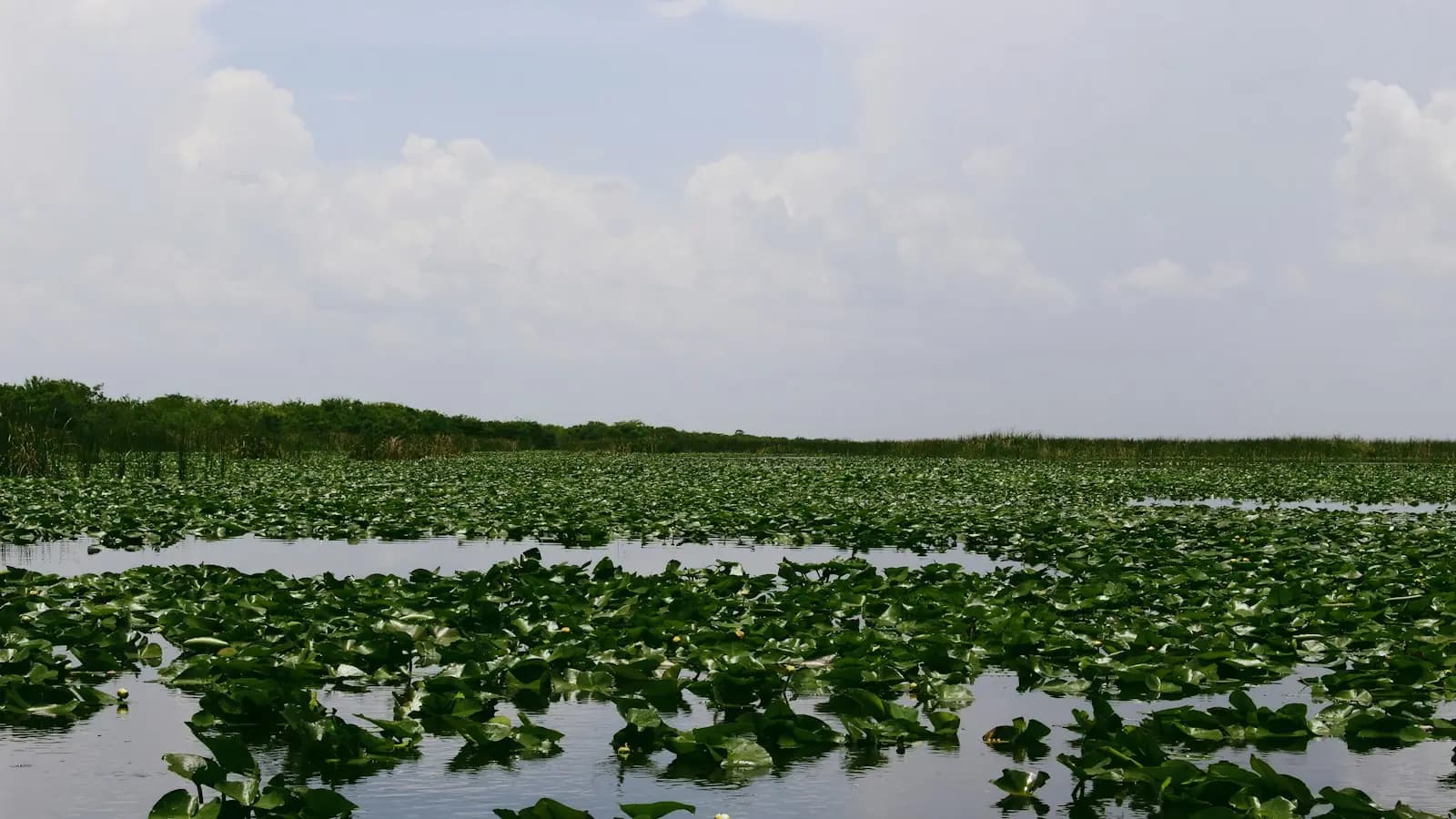
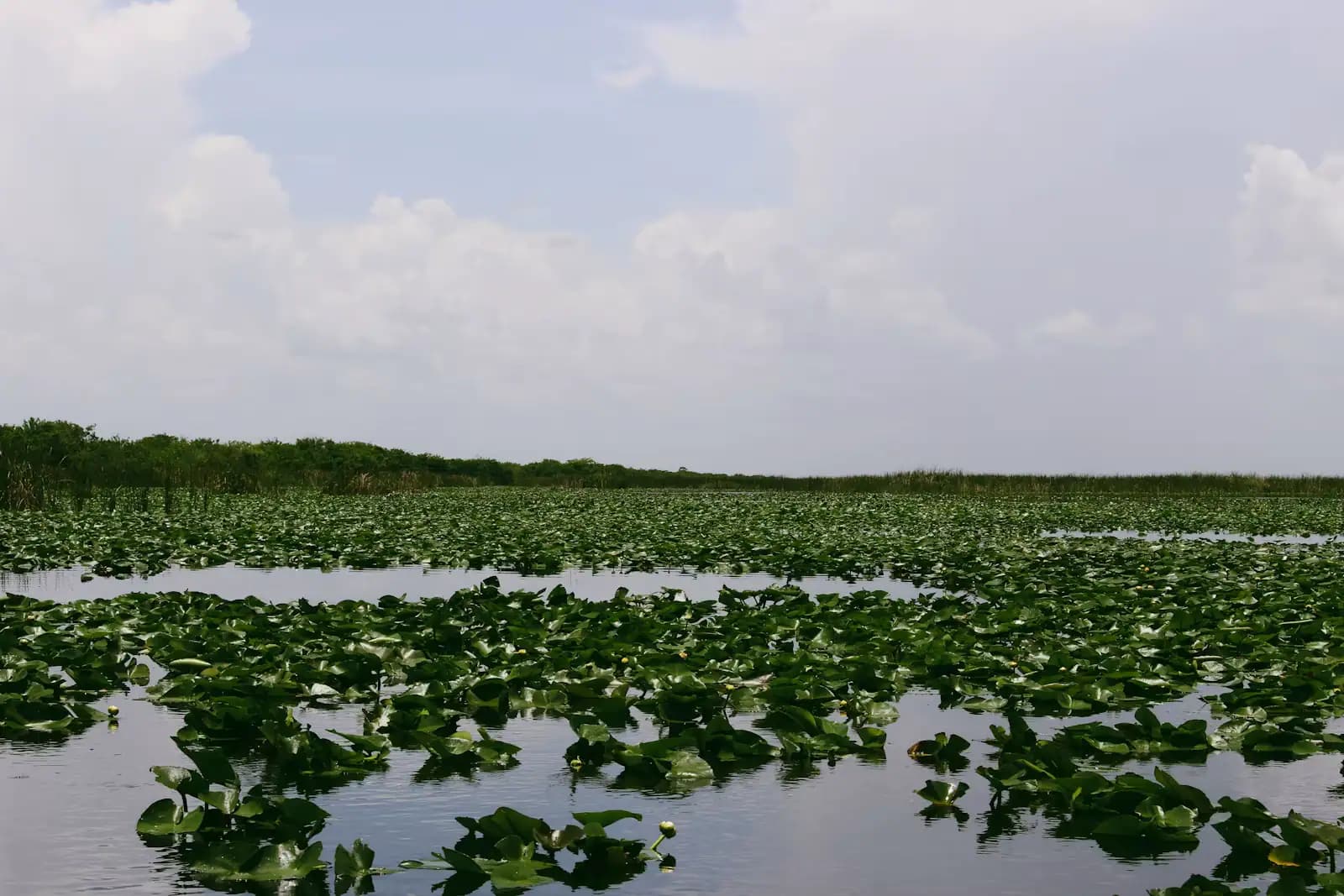
And then the backcountry. Rookery Bay National Estuarine Research Reserve covers about 110,000 acres of mangrove estuary between Marco and Naples. The Ten Thousand Islands National Wildlife Refuge adds 35,000 more to the southeast, reachable from Goodland or Port of the Islands. Sand Dollar Island, on the island's own doorstep, sits inside a 456-acre state Critical Wildlife Area that has protected nesting least terns, black skimmers and plovers since 1988. Almost none of that has a road to it.
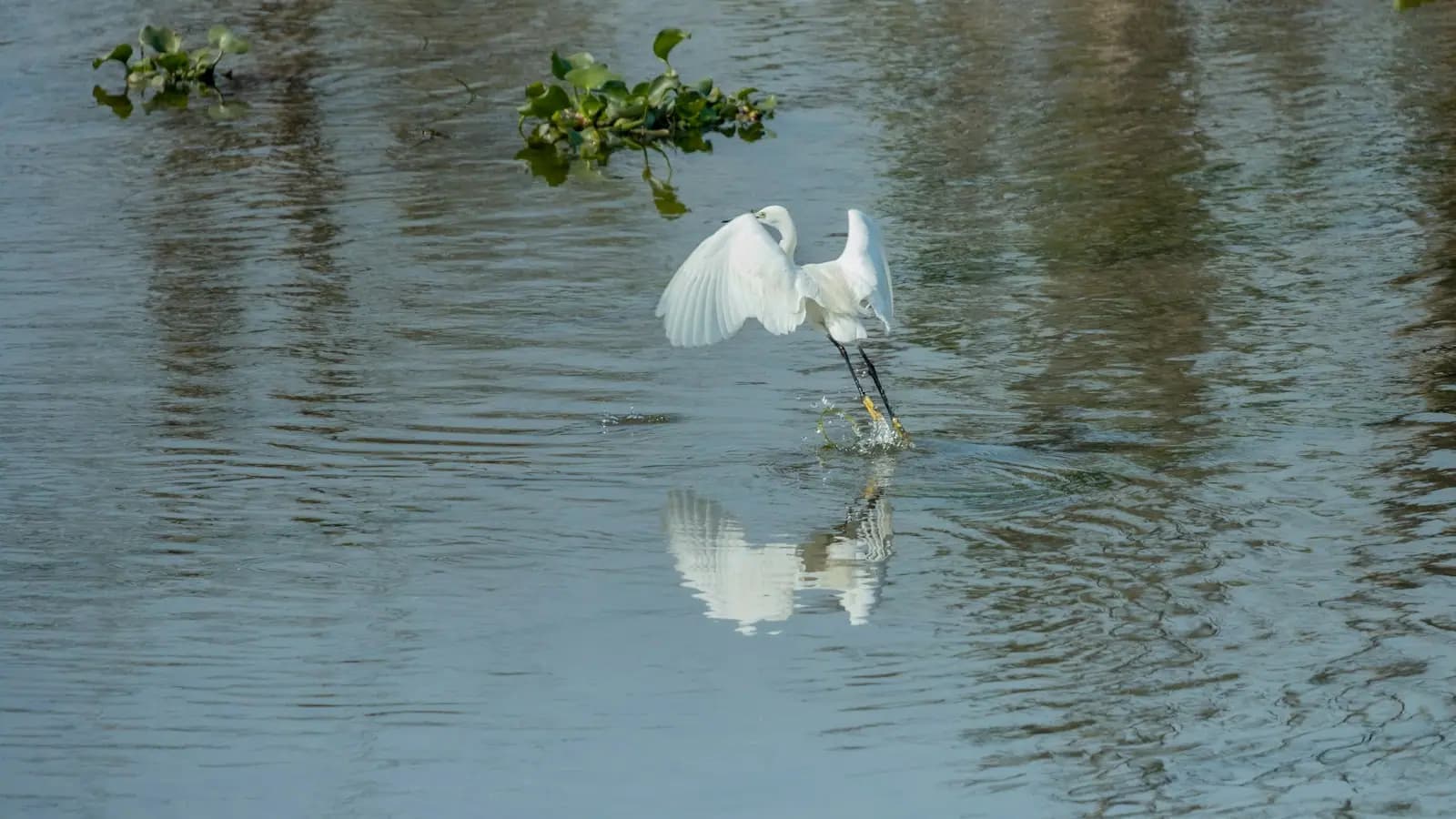
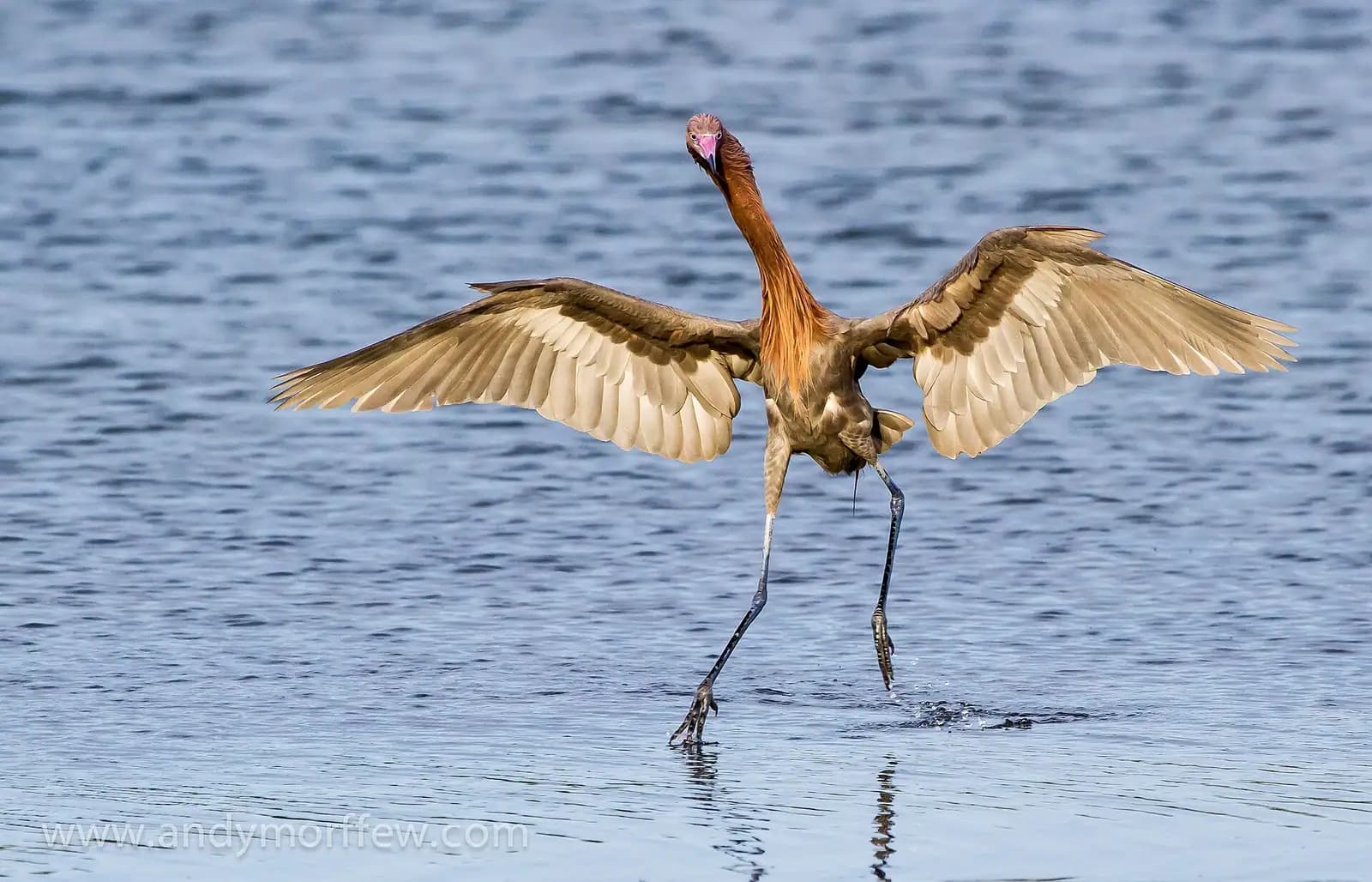
What that produces, on an ordinary week, is this: manatees in the canals after a cold front, ospreys on every channel marker, bald eagles over the Marco River, roseate spoonbills in the shallow lagoons, wood storks working a ditch on the way to the bridge, and a dolphin that a naturalist can name. What it does not produce is the Florida of the postcards. Panthers are inland, alligators prefer fresh water, and the Burmese python you have read about is real, established and almost never seen.