On this page
- Four ways to spend the day
- Everglades City and the Gulf Coast, the trip worth building the day around
- Getting on the water there
- Chokoloskee, three miles further on
- Collier-Seminole, the half day
- Big Cypress, if alligators are the point
- About airboats
- Season decides everything
- The dry season, which is the one you want
- Summer, described fairly
- Practicalities
- What the western Everglades actually shows you
- Common questions
Most people picture the Everglades as sawgrass prairie with an alligator in it. That version is real, and it is mostly on the eastern side, reached from Miami and Homestead.
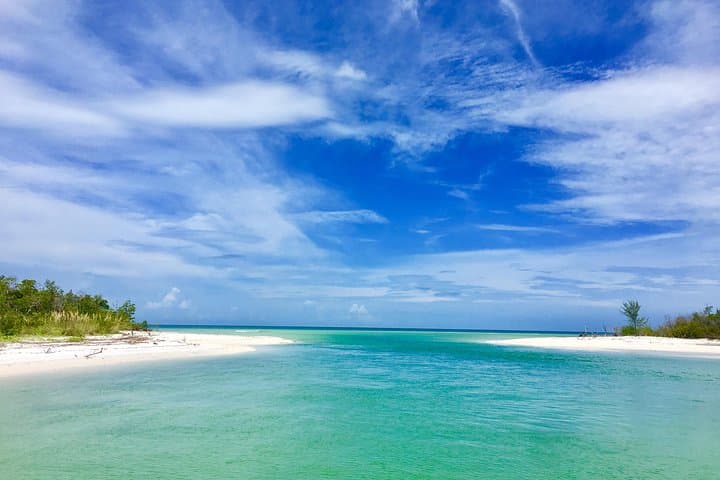
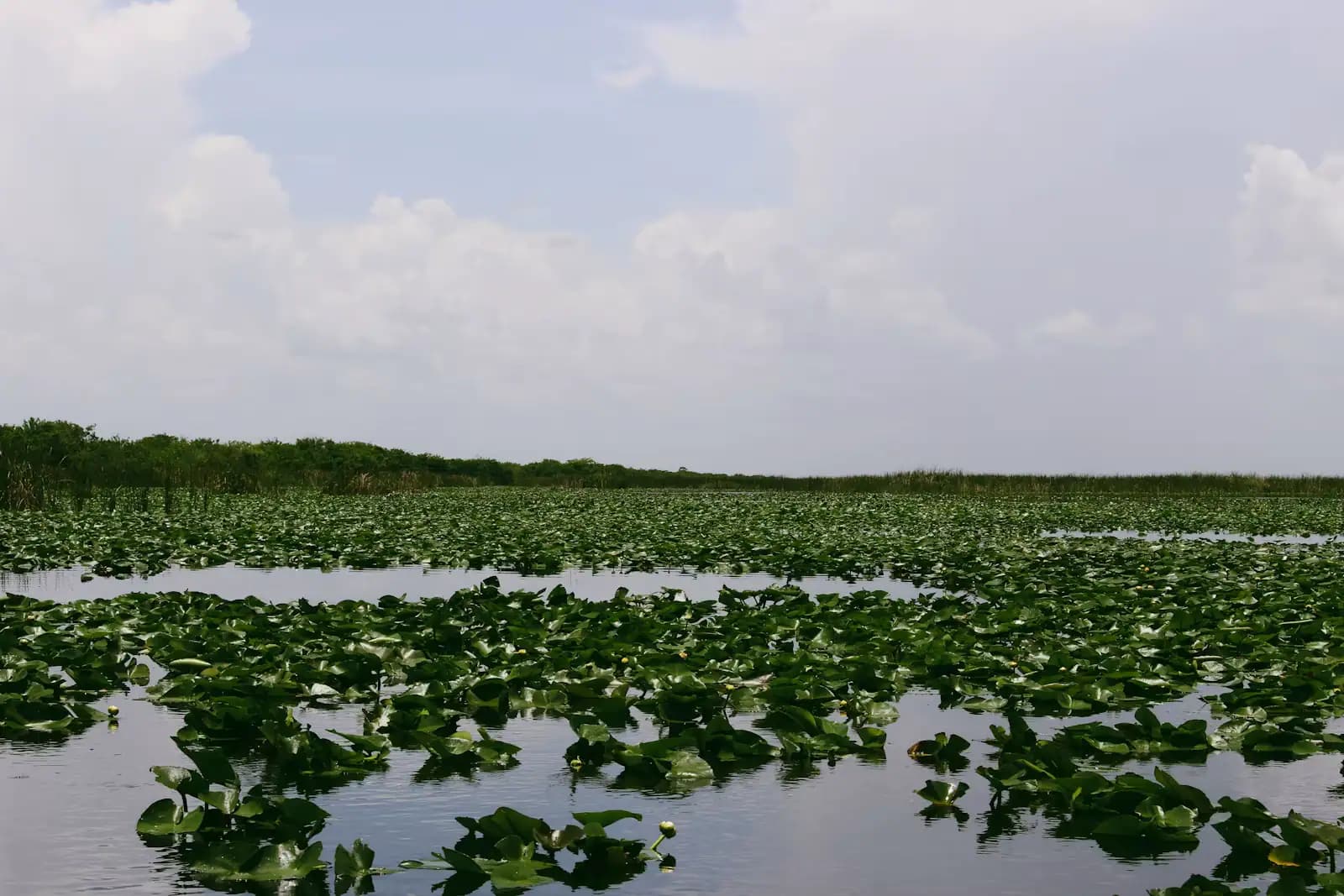
The Everglades you can reach from Marco Island is the other half of the system: the place where all that fresh water finally arrives at the Gulf and turns into a thirty-mile maze of mangrove islands, tidal creeks and brackish bays. It is wetter, greener, quieter and far less visited, and it starts about forty-five minutes from your hotel.
That distinction decides your whole day. From Marco, the sensible Everglades is west and south. Shark Valley on US-41 is over an hour away and the Homestead entrance is well over two, which makes them long days rather than day trips.
Four ways to spend the day
| Trip | Drive from Marco | What it is | Best for |
|---|---|---|---|
| Everglades City and the Gulf Coast district | 40–50 minutes east on US-41, then south on SR-29 | Visitor centre, pontoon tours into the Ten Thousand Islands, kayak rentals, Chokoloskee | A proper Everglades day with time on the water |
| Collier-Seminole State Park | 15–20 minutes east on US-41 | Hiking, a 13.5-mile paddling trail down the Blackwater River, a 1924 walking dredge | A half day, or a paddle, close to home |
| Big Cypress and the Tamiami Trail | 55–75 minutes east | Boardwalks, roadside wildlife, cypress strands, the Oasis visitor centre | Alligators, wading birds, driving and stopping |
| Ten Thousand Islands refuge Marsh Trail | About 30 minutes east on US-41 | A short walk and an observation tower over brackish marsh | An hour on the way to somewhere else |
Everglades City and the Gulf Coast, the trip worth building the day around
Everglades City is a grid of about five hundred people at the end of SR-29, and it has been the western gateway to the park for a century. Hurricane Irma wrecked the park's facilities there in 2017 and for years afterwards the operation ran out of temporary buildings.
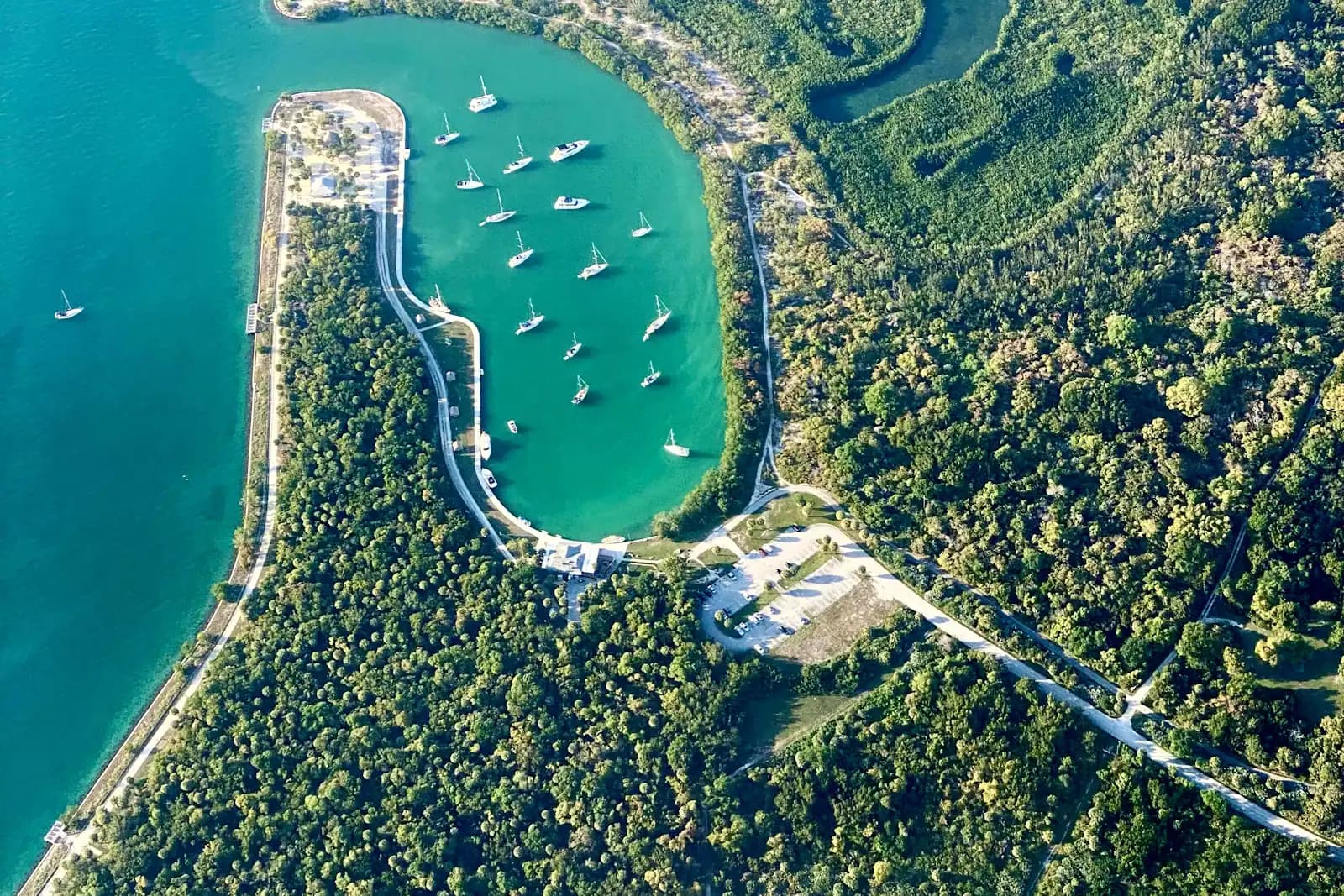
That is over. The park's new Gulf Coast visitor centre, named for Marjory Stoneman Douglas, opened as a two-storey building lifted above the water on heavy concrete seawalls, deliberately engineered for the next storm rather than the last one. The concessioner moved into it in 2026, and the boat and kayak operations now run from the park's own marina rather than from a car park two miles up the road.
Getting on the water there
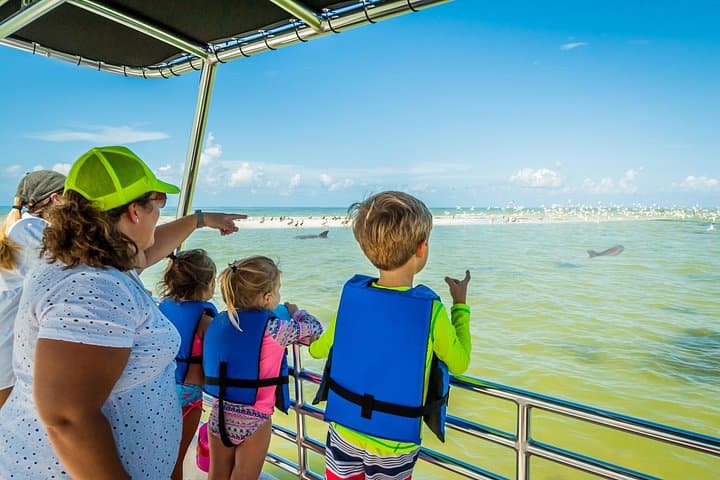
The headline trip is a pontoon boat tour of about ninety minutes into the Ten Thousand Islands, which is the easiest and cheapest way anyone can see the mangrove estuary without hiring a captain. It runs several times a day and it takes no planning. Kayaks and canoes are rented from the park's concession for paddling into Chokoloskee Bay, which is the better trip if you can handle a boat and the wind is behaving.
Be aware that departures are weather-dependent, that a day of strong wind cancels boats here as readily as it does on Marco, and that the wilderness waterway behind the visitor centre is a serious backcountry proposition rather than an afternoon's amusement.
Chokoloskee, three miles further on
The causeway from Everglades City to Chokoloskee crosses open water and is worth the drive on its own. At the end sits the Ted Smallwood Store, a trading post built in 1906 on pilings over the bay, now a small museum with its original stock, ledgers and fittings largely intact. Admission is a few dollars. It is the best surviving picture of what this coast was before anybody came here on holiday: a place where Seminole and Miccosukee traders, plume hunters, fishermen and people avoiding questions all met at the same counter.
The store's shoreline is also where Edgar Watson was shot in 1910, the incident that Peter Matthiessen spent three novels on. Nobody here is coy about it.
Collier-Seminole, the half day
Twenty minutes east of the Marco turn, where US-41 runs along the edge of the mangroves, Collier-Seminole State Park is the closest piece of genuine Everglades habitat to the island. It has hiking through pine flatwoods and a tropical hardwood hammock, camping, a boat ramp, and a 13.5-mile canoe and kayak trail that follows the Blackwater River down through the mangroves to Blackwater Bay and out into the Ten Thousand Islands. Rentals are available at the park.
Parked near the entrance is a Bay City Walking Dredge, built in 1924 and the last one left anywhere. It walked itself forward on timber feet while it dug the roadbed of the Tamiami Trail through the swamp, and it is a National Historic Mechanical Engineering Landmark. Standing next to it explains more about how this corner of Florida came to exist than any interpretive panel.
Big Cypress, if alligators are the point
Keep going east on US-41 past the SR-29 junction and you are in Big Cypress National Preserve. This is the stretch where wildlife viewing is easiest and cheapest: boardwalks over cypress strands, a visitor centre with a canal full of alligators in front of it, and gravel side roads where wading birds line the ditches in the dry season. It is free to drive, and in January a slow morning here produces more birds than most paid tours.
About airboats
Airboats are a Big Cypress and private-land activity around here rather than a national park one, and the operators east of Everglades City run on their own water. They are loud, they are fun, and they are a very different thing from the park's quiet pontoon run through the mangroves. Book one because you want the ride, not because you think it is the only way to see the Everglades. Plenty of visitors do both in a day and enjoy them for different reasons.
Season decides everything
The dry season, which is the one you want
The dry season, roughly November to April, is when to do this. Water levels drop, wildlife concentrates around what water is left, wading birds gather in numbers, the humidity is bearable and the insects are manageable.
Summer, described fairly
May to October is hot, wet and buggy on a scale that people from temperate climates consistently underestimate. Afternoon thunderstorms are near-daily. The mangrove coast is still beautiful early in the morning, and boat trips still run, but a midday walk on a boardwalk in August is an endurance event.
If you are here in stone crab season, which opens in mid-October and runs to the start of May, Everglades City is where the claws come ashore. That is most of the reason a day trip here ends with lunch rather than starting with it.
Practicalities
Fill the tank on Marco. Services east of Collier-Seminole are thin and the stretch past Everglades City has essentially none.
Carry more water than you plan to drink, a hat, and repellent with DEET or picaridin. Phone coverage is patchy along US-41 and poor on the water.
The national park charges an entrance fee, valid across its entrances for several days, and an America the Beautiful pass covers it. State park entry is charged separately and is modest. Fees change; check before you drive.
And if you only have one day and you already have a boat trip booked from Marco into the Ten Thousand Islands, you are seeing the same water from the northern end. Spend the day on the road instead only if you want the history, the boardwalks and the claws.
What the western Everglades actually shows you
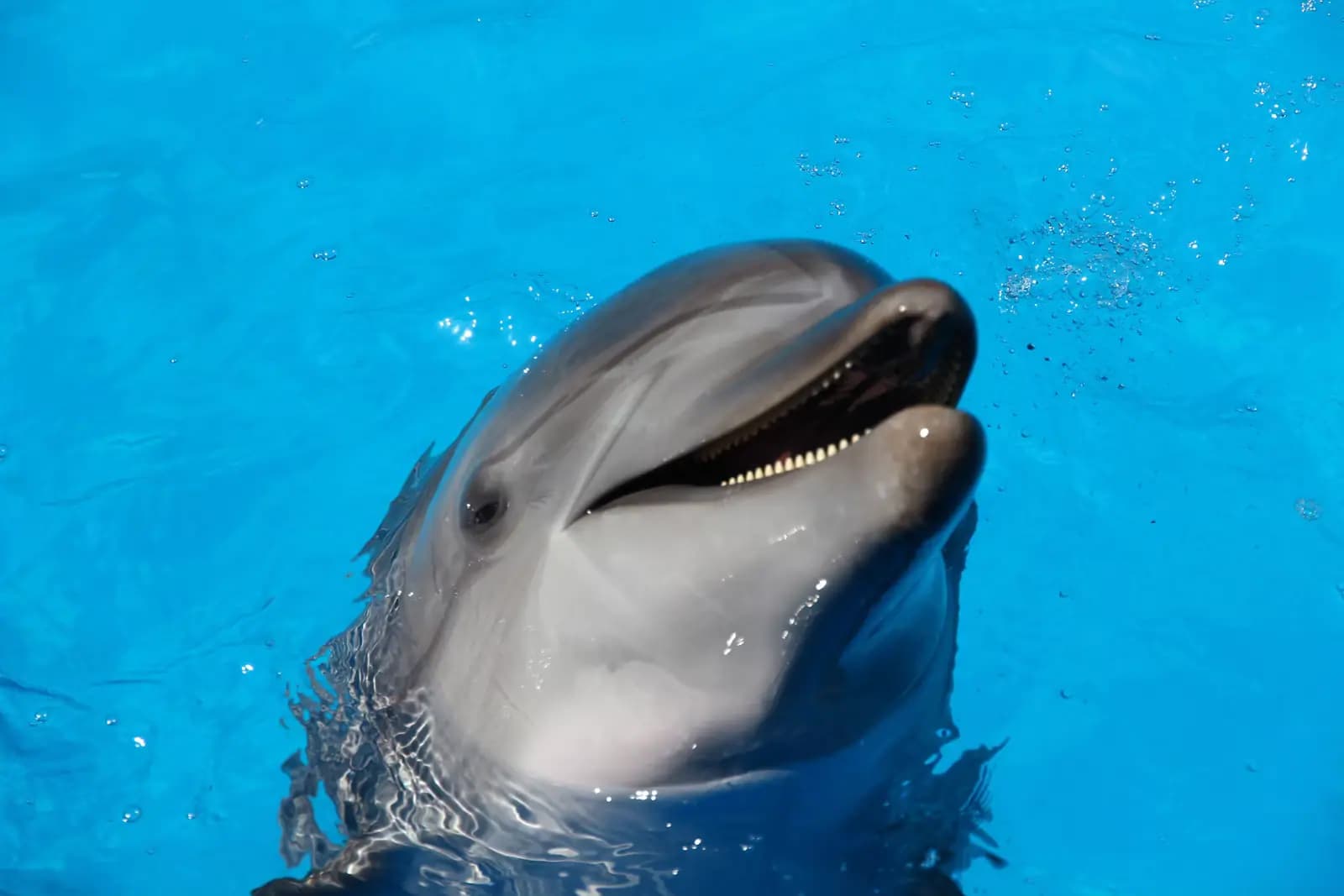
Alligators are near-certain in the fresher water inland: the canal at the Big Cypress visitor centre, the ditches along the gravel roads, the boardwalks. They are much scarcer in the salt bays around Everglades City, where you are more likely to see dolphins.
Wading birds are the reason to come in winter. Roseate spoonbills, wood storks, white pelicans, ibis and several herons concentrate on the bars and in the drying pools between December and March.
Manatees turn up in the creeks and marinas in the cooler months. American crocodiles occur in the brackish water in small numbers and are shy.
Florida panthers live in this landscape and you will not see one, whatever a tour operator implies. Burmese pythons are established here and are a slow ecological disaster, but they are cryptic and almost nobody encounters one.
What you will get, if you are honest about it, is the scale of the place, a sky with nothing in the way of it, and a couple of hours where the loudest thing is an osprey.
Last updated
Opening hours, ordinances and prices move with the season. We re-check this guide rather than rewrite it, and the date above is the last time someone did. How we research and correct.