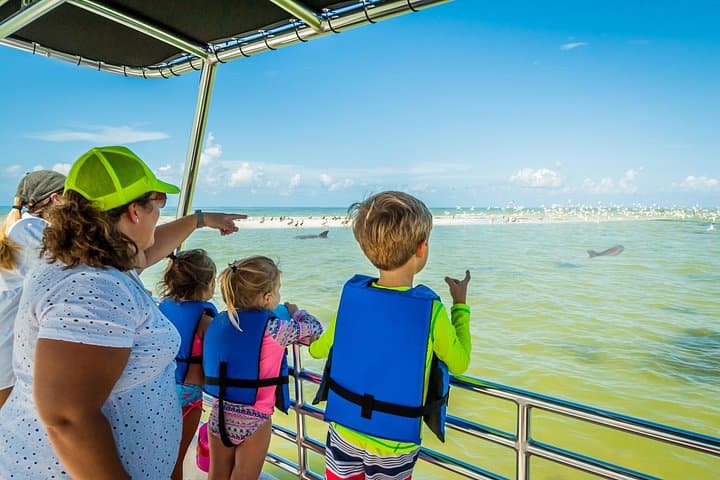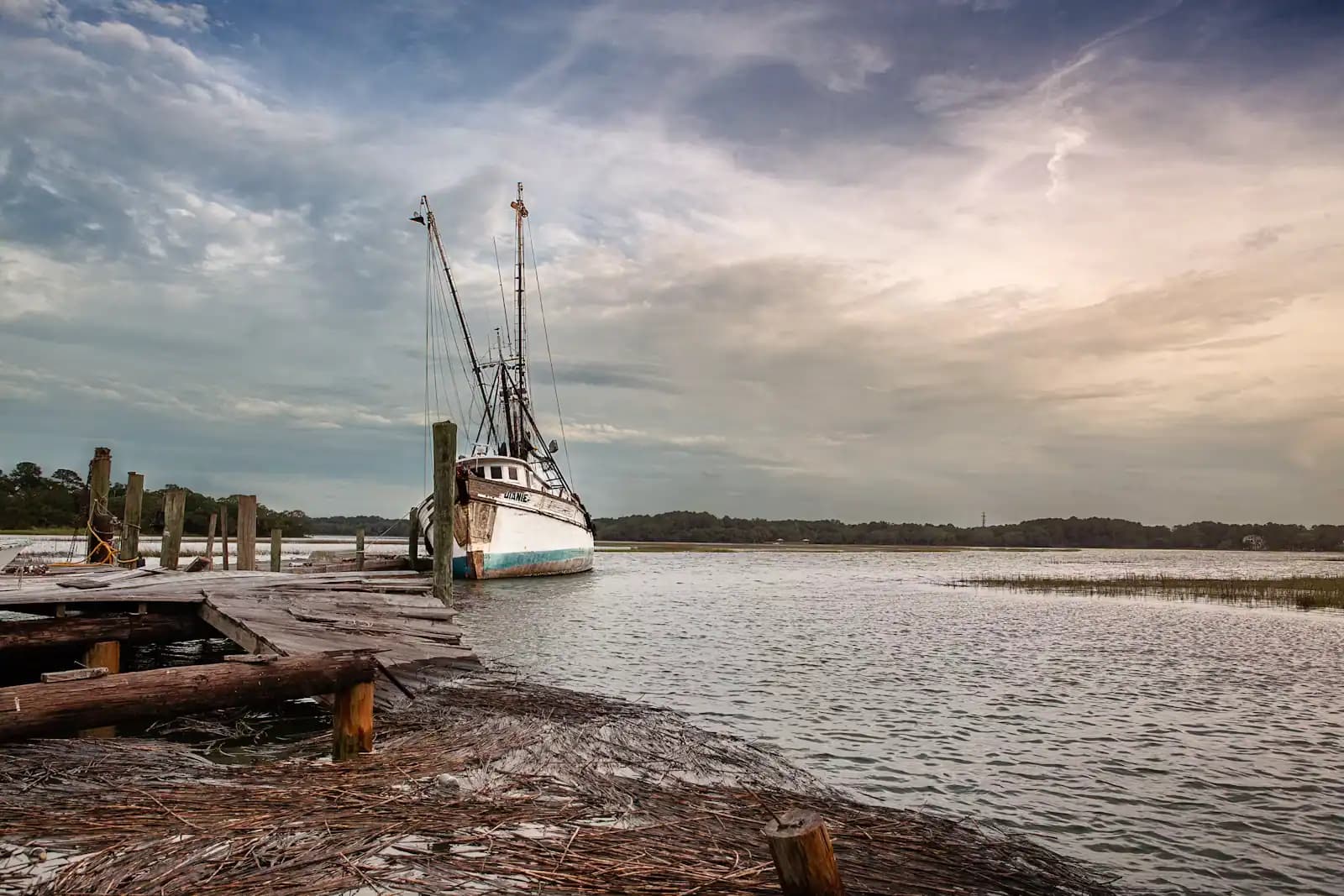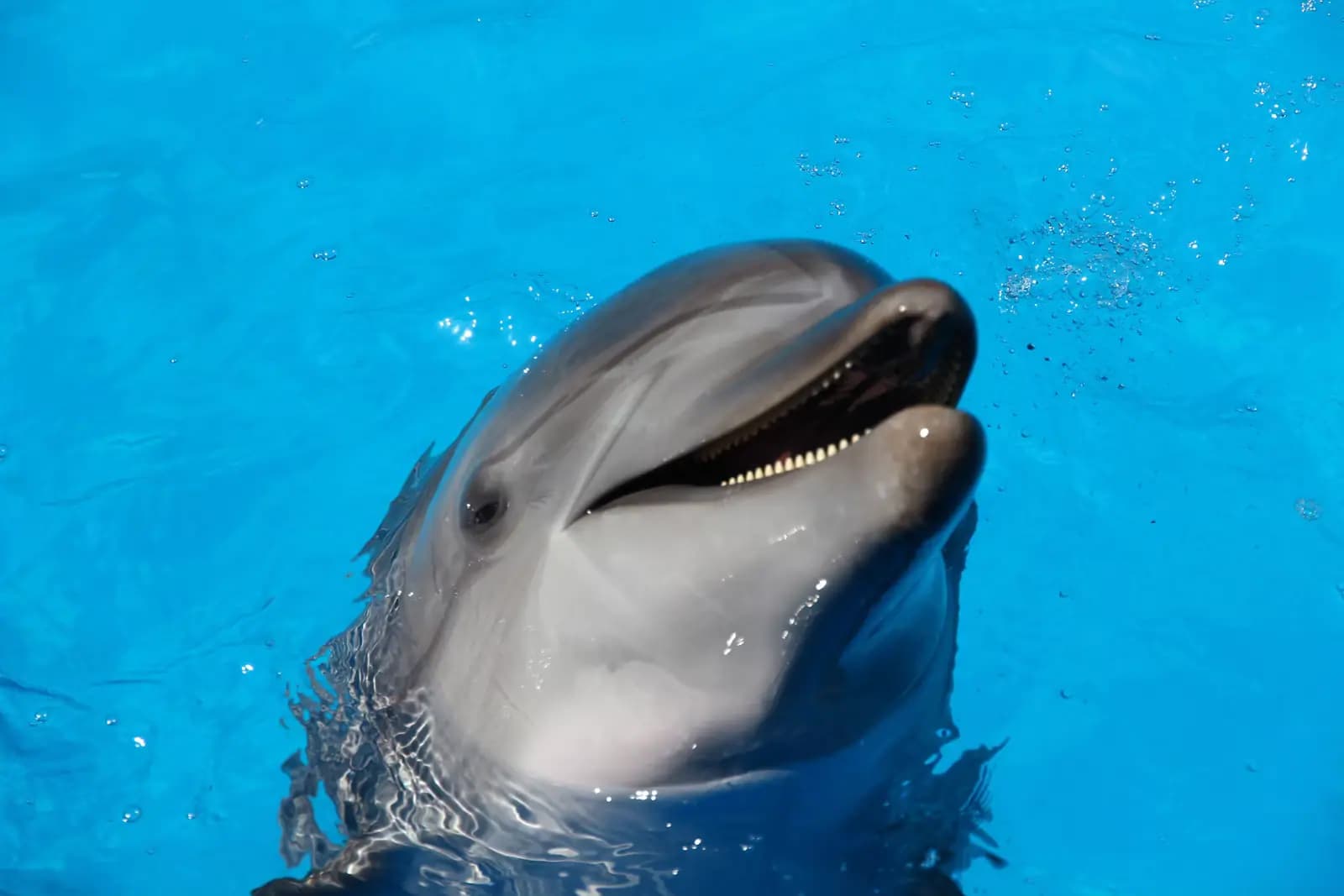
Most places that sell dolphin cruises are selling a probability. Marco sells something slightly different, because the dolphins in the passes around this island are resident animals that individual researchers can name on sight.
A photo-identification study has run continuously off the north end of Marco since February 2006, surveying the same water on a fixed schedule, photographing every dorsal fin it encounters and building a catalogue that now holds well over three hundred individual bottlenose dolphins. The distinctive part is that the survey work happens on boats carrying paying passengers, who help spot, help record, and have named a good number of the animals in the catalogue.
That changes what the activity is. You are not hoping a boat finds a fin. You are on a survey that has to find fins, run by people who will tell you which animal you are looking at and who its mother was.
Why the dolphins are here all year
Bottlenose dolphins in southwest Florida are not migratory in the way whales are. These animals live here, in a network of passes, bays and mangrove creeks that concentrates fish and gives calves shelter.
The water around Marco is unusually good for them. Four passes — Capri, Big Marco, Caxambas and the Marco River mouth — funnel tide twice a day, and dolphins work the moving water at the edges of the channels because that is where the mullet and pinfish are pushed. Behind the island, Barfield Bay and the creeks of the Ten Thousand Islands provide sheltered nursery water. In front of it, open Gulf.
The practical consequence for a visitor: there is no dolphin season on Marco. Sightings are reliable in January and reliable in August. What changes with the season is the wind, and wind is what cancels boats here.
Which trip to book
| Trip | Length | What you get | Suits |
|---|---|---|---|
| Survey or research cruise | About 3 hours | Naturalist, catalogue work, individually identified animals, multiple sightings | Anyone who wants to understand what they are seeing |
| Sightseeing or eco cruise | 1.5–2 hours | Dolphins plus birds, shorelines, commentary | Shorter attention spans, tighter budgets |
| Sunset cruise | 1.5–2 hours | Dolphins if they turn up, and the reason people come to a west-facing island | Couples, an easy evening |
| Private charter | Half day up | Your own schedule, the backcountry, shelling and dolphins in one trip | Groups of four or more, photographers |
| Jet ski tour | 1–2 hours | Speed | Not dolphin watching. See below |
The three-hour survey format is the one worth the extra money and the extra hour. It covers far more water than a short cruise, it goes where the animals actually are rather than where the schedule allows, and the naturalist is working rather than narrating.
Where the sightings happen
Capri Pass and Big Marco Pass, at the island's north end, are the most consistent. Moving tide, a defined channel edge, and a lot of fish.
The Marco River between the island and the mainland holds animals working the docks and the deeper channel, and is where a short cruise will usually find them.
Caxambas Pass and Gullivan Bay, at the south end, are quieter, and the dolphins there tend to be the ones ranging into the Ten Thousand Islands.
Behind the island, in Barfield Bay and the creek systems, you will see fewer animals but more interesting behaviour: calves, foraging in shallow water, and the occasional cooperative fish-herding that this species is famous for.
Time of day matters less than tide. A moving tide is better than slack water, and captains here plan around it.
The rules, and why they are not fussiness
Bottlenose dolphins are protected under federal law, and two things follow from that.
Do not feed them, ever
Feeding wild dolphins is illegal and it is also the single most damaging thing a visitor can do to an individual animal. Fed dolphins learn to approach boats, lose their wariness of propellers and fishing gear, and teach the behaviour to their calves. A dolphin that begs is a dolphin with a shortened life.
Keep your distance
The federal guidance for viewing wild dolphins is to stay at least 50 yards away, to avoid approaching head-on, and to never chase, circle or separate animals. Reputable captains here hold that line and will say so in the safety briefing. If a dolphin chooses to ride your wake, that is its decision, not an invitation to steer at it.
And there is no swimming with wild dolphins here. Anyone offering it is either offering something unlawful or offering something else entirely. There is no captive dolphin facility on Marco.
The jet ski question
Jet ski tours sell dolphin encounters and people book them expecting the two activities to combine. They do not.
A personal watercraft is loud underwater, fast, and unpredictable in the way that disturbs foraging animals most. You will see dolphins from one, because there are dolphins here and you cannot really avoid them, but you will disturb what you see and you will not learn anything about it. Ride a jet ski because riding a jet ski is fun. Book a boat to watch dolphins.
Getting a photograph worth keeping
Sit on the shaded side rather than the sunny side; a dorsal fin in blown-out highlights is a grey blob. Use a fast shutter, a high burst rate, and pre-focus on the water rather than trying to acquire a moving animal.
Watch for the second surface. A dolphin that comes up once will usually come up again within a few seconds and roughly in the same direction, and the second one is the photograph. Amateurs photograph the splash of the first.
Bring a lens hood and something to wipe salt off the front element. On a survey boat, ask the naturalist which animals are approachable and which are mothers with small calves; the answer determines what the boat does and what you will get.
What you are actually looking at
A dorsal fin is a fingerprint. Nicks, notches, scars and the shape of the trailing edge are individually distinctive and stable for years, which is why photo-identification works at all and why the researchers can tell you the animal's history rather than its species.
Watch for the behaviours rather than the count. Foraging animals move purposefully and surface irregularly. Travelling animals surface rhythmically in a line. Socialising groups are noisy at the surface, roll over each other and are the ones that most often turn toward a boat.
Calves stay close to the mother's flank and surface in time with her, which is how you spot them before you see the size difference. Mothers with very young calves are the animals a good captain gives the widest berth.
Wake riding is real and it is dolphin-initiated. A boat that holds a steady course and speed will sometimes pick up riders. A boat that turns toward them to make it happen has broken the rule and, usually, lost the dolphins.
Last updated
Opening hours, ordinances and prices move with the season. We re-check this guide rather than rewrite it, and the date above is the last time someone did. How we research and correct.