Skip to content
Menu

We earn a commission if you book through this link. You pay the same price.

Search

Tours

Marco Island Dolphin Tours

Last updated

Bottlenose dolphins live in Marco Island's passes year-round. Which trips find them, why most include an island landing, and what a tour costs here.

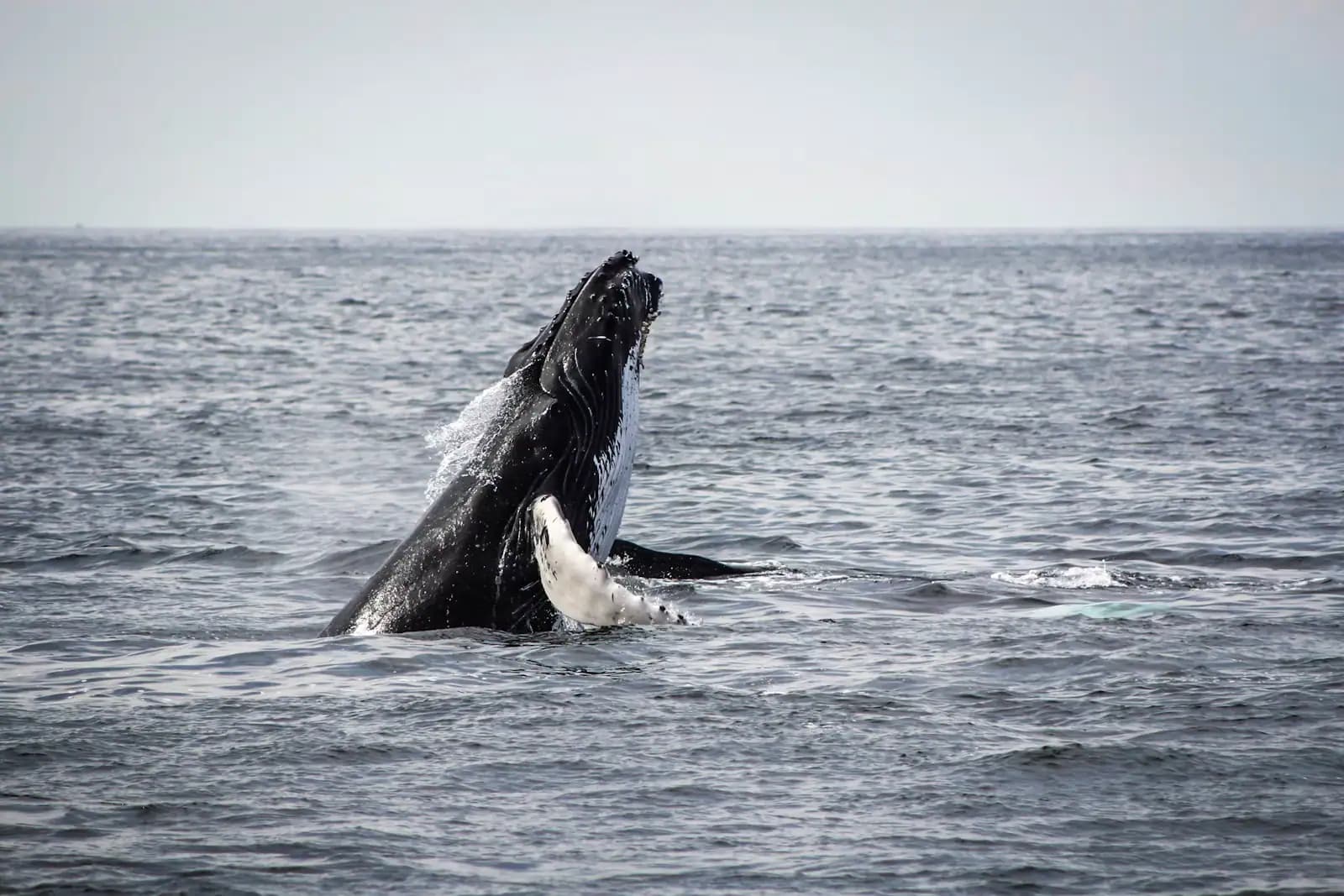
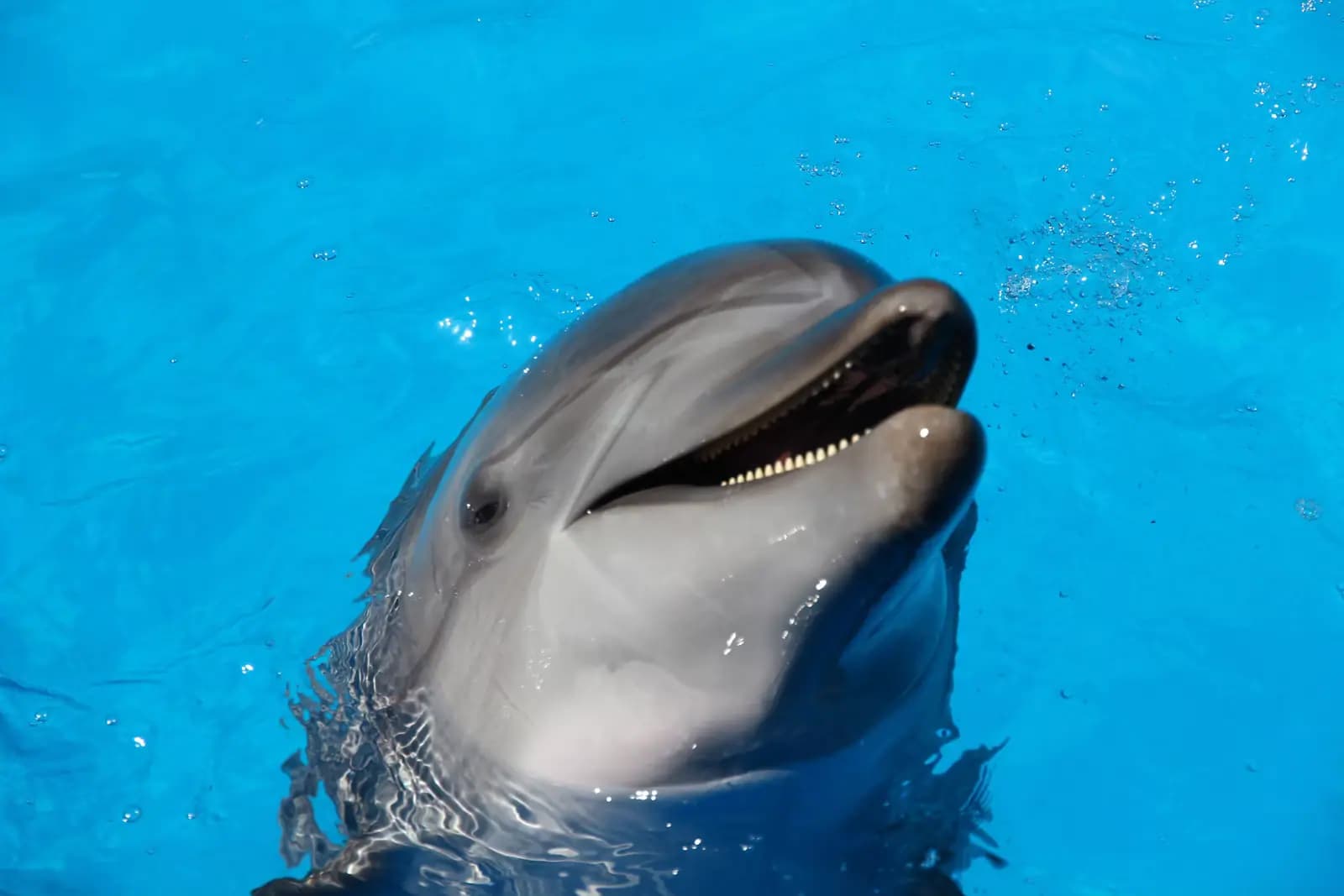
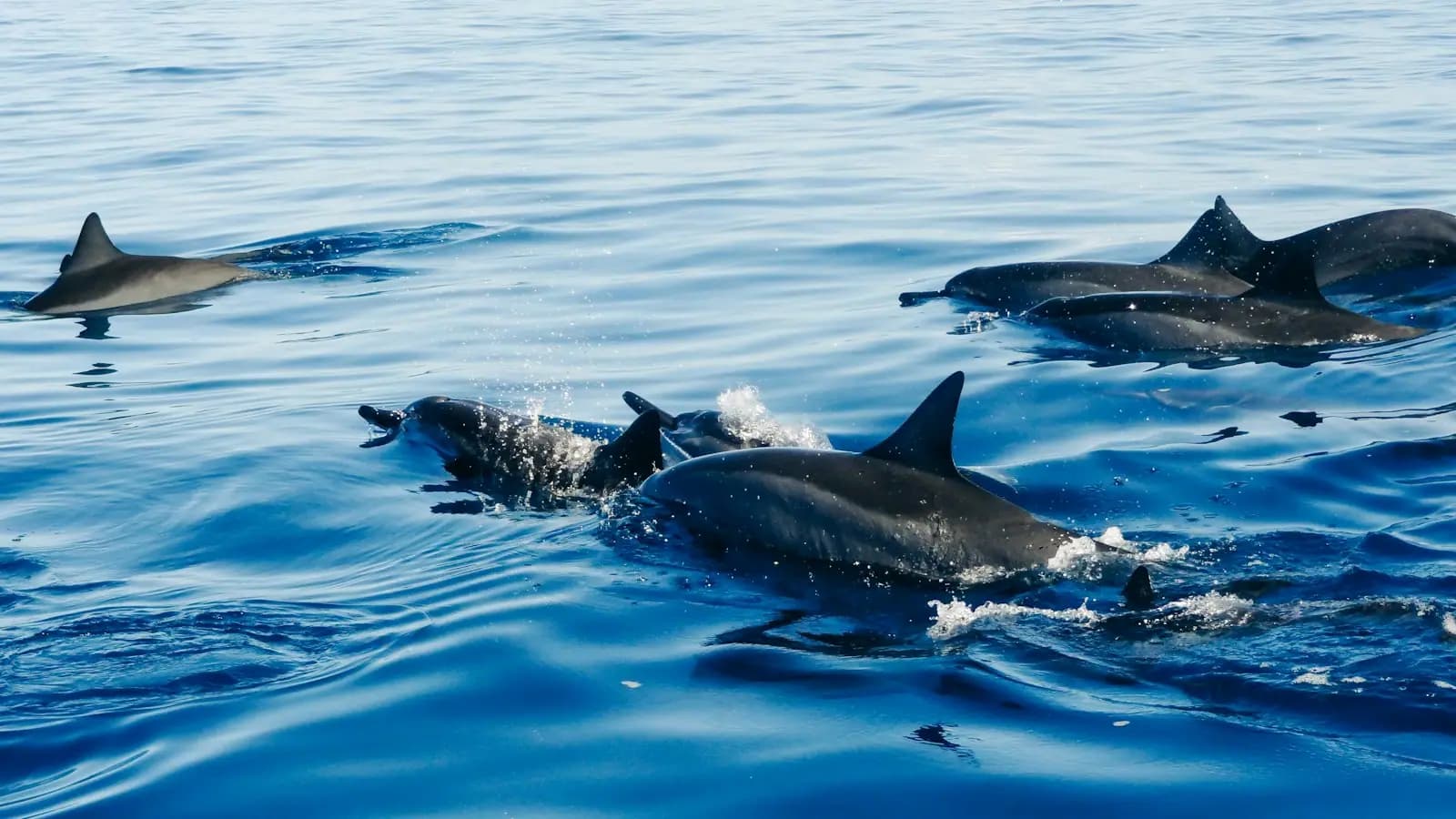
A bottlenose dolphin surfacing in green coastal waterUnsplash

The dolphins here are neighbours rather than visitors. Atlantic bottlenose live in this estuary all year, and the reason is the shape of the water: three tidal passes — Capri, Big Marco and Caxambas — funnel an enormous volume in and out of the bays behind Marco twice a day, and every one of those funnels concentrates mullet, pinfish and shrimp into a narrow, predictable place. Dolphins do not have to hunt the passes. They wait at them.

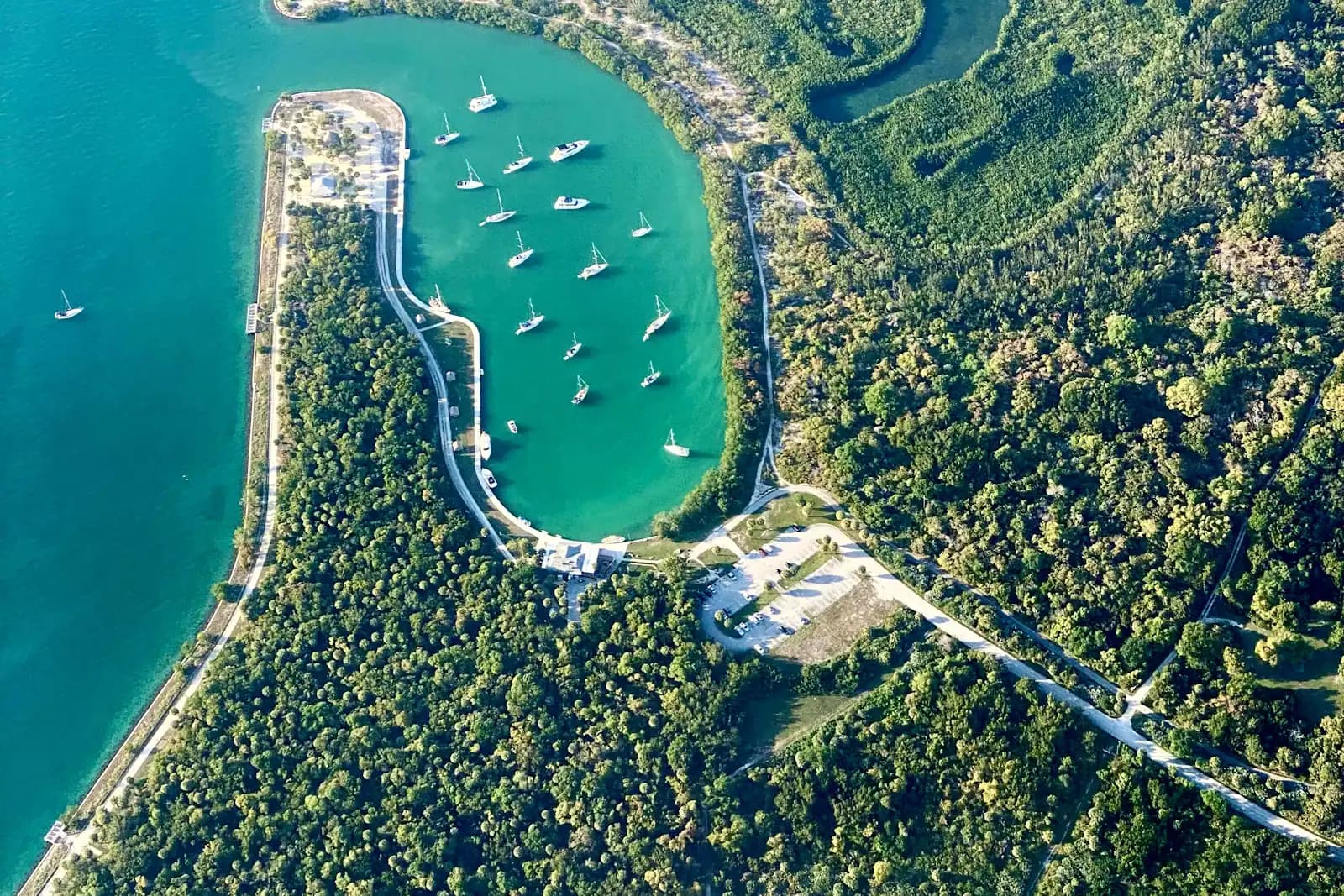
That is why a Marco dolphin trip rarely goes far offshore. Boats leave a Marco River marina, idle out through the manatee zone, and work the pass mouths, the sandbar edges off Sand Dollar Island, the creek entrances behind Goodland and the seam where river water meets Gulf water. On a two-hour trip you will often be within three miles of the island the whole time. Captains who have run this water for years can tell you which pass fishes best on which half of the tide, and that is most of what separates a productive morning from a slow one.

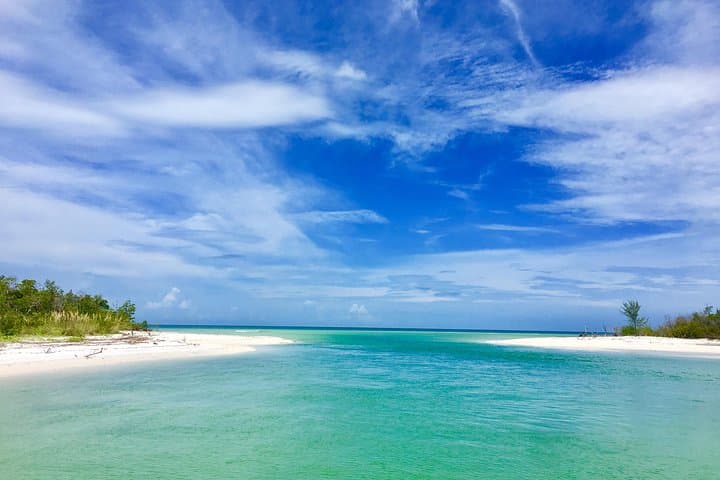
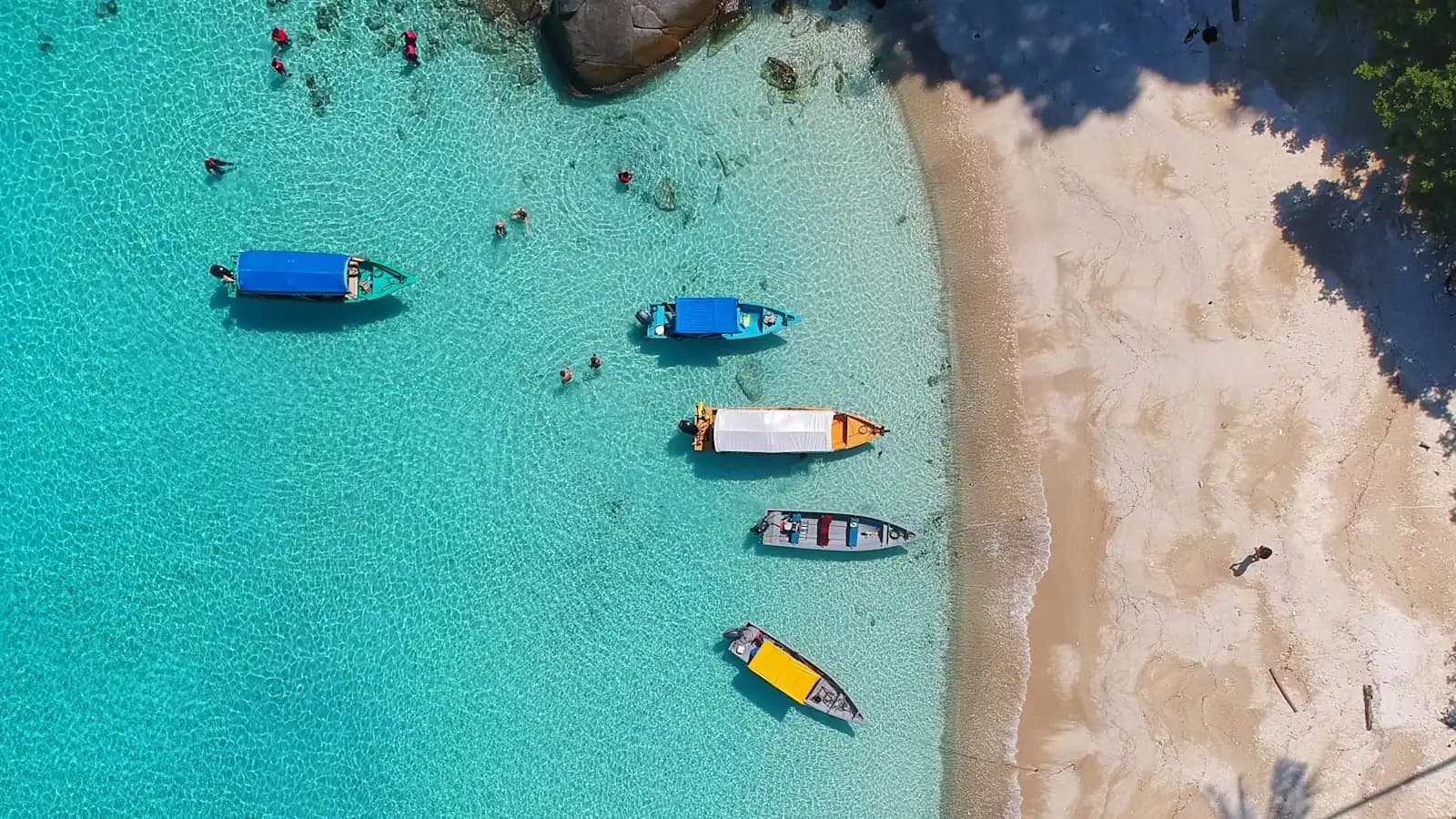
The local convention worth knowing before you compare listings: on Marco, a dolphin cruise is usually a dolphin-and-something cruise. The something is almost always a landing on an undeveloped island — Keewaydin north of the river, Kice across Caxambas Pass, sometimes the Cape Romano shoals — where everyone gets off for half an hour to pick through shells. Operators pair them because the two activities want the same boat, the same weather and roughly the same stretch of water. If you want dolphins without the beach stop, say so when you book, because the shorter trips are not always the ones advertised first.

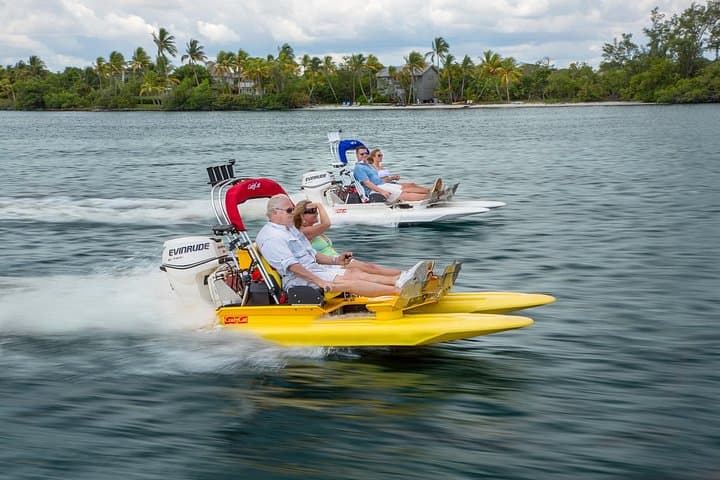
The second local wrinkle is speed. Marco has a genuine guided jet-ski dolphin tour market, which most Florida destinations do not, and the trips are popular. They are also a different experience in kind: fast, loud, exposed, and run by a guide leading a string of machines rather than a captain narrating from a helm. Some operators are careful, keep their distance and idle when animals approach. Some are not. It is worth reading reviews for how the guide behaved around wildlife rather than for whether anyone saw a fin.

Finally, honesty about the odds. Sightings on a two-hour trip in this water are routine in every month of the year, and operators will tell you so. What nobody can schedule is behaviour. Wake-riding, mothers with calves through the summer, a group pinning bait against a bar — those are luck. Book the trip because two hours moving through the passes and the mangrove edge is a good use of a morning, and treat the acrobatics as a bonus.
Our picks

The ones we would book

  • Editor's Pick

    Best all-round dolphin trip

    Why we chose it

    A two-hour departure from the Marco River that works the passes properly rather than running a loop for the photographs, with a captain who narrates the estuary instead of pointing. Short enough for young children, long enough to cover two pass mouths on the same tide, and priced in the shared-cruise band.

    Marco Island and Naples Pedal or Paddle Kayak Tour

    Low Last Minute Supplier Cancellation Rate

    Marco Island and Naples Pedal or Paddle Kayak Tour (opens in a new tab)

    Editor's PickFree cancellationLikely to sell out
    1.2K reviews

    Discover the difference with Marco Ecotours Our tours are more than a business - they are our passion. We strive to ensure that every…

    2 hours

    Prices checked

    from $58
  • Best for Families

    Best for families with children

    Why we chose it

    A morning boat with shade, a seat that stays still, and a beach landing where everyone gets off to hunt shells. The island stop is the half the under-tens remember, and it converts a narrated cruise into an outing. Ask about a restroom aboard before booking — plenty of the smaller hulls do not have one.

    Barrier Islands

    On the Water

    Dolphin and Shelling Cruise for up to 12 people (opens in a new tab)

    Best for FamiliesFree cancellationSmall group
    1K reviews

    Experience the best of Marco Island’s waterways on Eco Endeavors’ Dolphin & Shelling Tour! This 2.5-hour adventure takes you deep into the…

    2–3 hours

    Prices checked

    from $109
  • Small Group

    Best small-boat trip for photographers

    Why we chose it

    Six passengers, a shallow hull, and a captain who can stop and drift rather than hold a schedule. These trips get into creek mouths and along grass edges where mothers and calves spend the summer, and everyone has a clear line to the water. The highest price per person on this page, and the best pictures.

  • Best Value

    Best value dolphin cruise

    Why we chose it

    The shorter shared departure at the bottom of the local band. You lose the island landing and the long southern run, and you keep the same resident animals in the same three passes. On an island where the median bookable tour costs about a hundred dollars a head, this is the honest budget option rather than a lesser trip.

  • Best Private Tour

    Best private charter for dolphins

    Why we chose it

    Worth it from five people, and worth it at any number if a nap or a camera dictates the schedule. You choose the departure hour, which in this estuary means choosing the tide, and the captain can spend forty minutes on one group of animals instead of moving on to keep a timetable.

The water dolphins actually use here

Three passes do most of the work. Capri Pass, at the north end between Marco and the Isles of Capri, is the deepest and busiest, and it carries the most boat traffic. Big Marco Pass, between Marco's Gulf beach and the Sand Dollar flats, is shallower and shifts with every storm season. Caxambas Pass, at the southern tip, is the quietest of the three and opens toward Kice Island and the southern shoals.

Behind the island, the Marco River, Collier Bay, Barfield Bay and the creeks around Goodland hold animals too, particularly on a falling tide when water is draining off the flats and bait has nowhere to hide. Some of the best sightings visitors report happen inside the no-wake zone before the boat has even opened up.

Two patterns worth knowing. Dolphins here work the seam where clear Gulf water meets green bay water, and that seam moves through the day with the tide. And they follow working boats — a shrimper or a commercial crabber pulling traps will often have animals behind it, which is why a captain who alters course toward a fishing boat is not wasting your time.

Numbers are usually small. Two to six animals is a typical group in these bays, occasionally more in the passes when bait is thick.

What a Marco dolphin trip includes

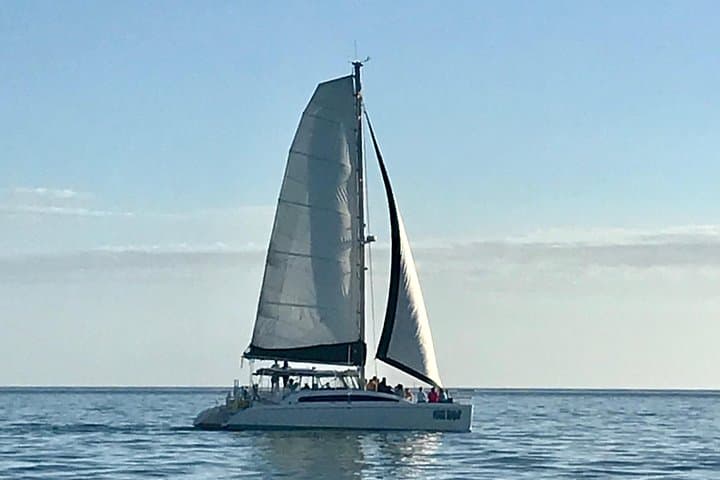
The standard shared trip runs 90 minutes to two hours from a Marco River marina, on a deck boat, pontoon or small catamaran, with narration from the helm. Expect an idle-speed exit, a working circuit of one or two passes, and a return along the island's Gulf front.

The longer format — three to four hours — adds an island landing, which is the version most visitors end up on. You get a beach stop of thirty to sixty minutes on Keewaydin or Kice, both of them undeveloped and both without facilities of any kind. Bring water, a hat and shoes you can walk on shell in.

Smaller six-passenger boats run a different trip entirely: further into the back bays, slower, more time stopped, and much better for photography. They cost more per person and they are weather-dependent, because a small hull in a Gulf chop is a long two hours.

Private charters let you set the hour, which in this water means setting the tide. If you have a photographer or a nervous child in the group, that control is worth more than the boat.

Almost nothing here runs at high speed except the jet-ski tours, which are their own category and are covered below.

What dolphin tours cost on Marco Island

What it costs

Bands rather than quotes, because fuel and season move them and Marco prices above the Florida average. Confirm before booking.

  • Shared 90-minute to two-hour cruise: generally $50 to $90 per adult, with children discounted, and toddlers sometimes free.
  • Dolphin and shelling combination, three to four hours: commonly $90 to $160 per person on a shared boat.
  • Six-passenger small-boat trip: often $100 to $175 a head, because the price is really for the boat divided by the seats.
  • Private charter, two to four hours: frequently $500 to $900 depending on hull and duration.
  • Guided jet-ski dolphin tour: typically priced per machine rather than per rider, and a two-hour guided tour commonly sits in the $200 to $300 range per ski with two people allowed on it.

Extras that catch people out: crew tips are customary at fifteen to twenty percent and are not included, some marinas charge for parking in season, and fuel surcharges occasionally appear as a separate line on charter invoices.

Marco is not the place to hunt for a bargain dolphin cruise — the cheapest seat on the island is still above what the same trip costs on the Atlantic side of Florida. What you are buying is proximity to the Ten Thousand Islands rather than a discount.

The hour and the tide that make the difference

When to go

Morning departures are the reliable ones. The sea breeze builds through the middle of the day, and from June into September the interior storm line starts pushing west after lunch. Before ten the passes are usually glassy, the light is low enough for photographs, and nobody is fighting heat.

The tide matters more than the clock, though. Moving water — either direction — pulls bait through the passes and brings dolphins with it. The two hours either side of a tide change are consistently better than slack water at the top or bottom. Any captain worth booking plans around this, which is why departure times shift day to day on the smaller boats rather than running on a fixed timetable.

Season changes the experience rather than the odds. Winter brings dry air, flat mornings, and manatees into the canals and back bays alongside the dolphins. Spring is busy and settled. Summer is hot and humid with excellent early-morning conditions and unreliable afternoons. Autumn is quiet, with hurricane season running to the end of November and the occasional week when nothing sails.

Cold fronts are the one thing that stops a trip in winter. A strong northerly can put a short, sharp chop in Capri Pass for a day or two, and small boats stay tied up.

Book it

Everything else we track

Some links below go to Viator, our booking partner. We earn a commission on bookings made through them — at no extra cost to you, and with no influence on what we recommend.

About the jet-ski dolphin tours

Before you book

Marco has an unusually large guided personal-watercraft tour market, and the trips genuinely do find dolphins — the routes run through the same passes the boats work. If speed is the point of your holiday, they are fun.

Two honest caveats. First, a machine at thirty miles an hour is not a wildlife-watching platform. You will see dolphins; you will rarely watch them. The good operators stop, shut down and let the animals come, and the difference between an operator who does that and one who does not is the entire ethical content of the trip.

Second, the rules apply to you personally rather than to a captain. Anyone born from 1 January 1988 onward has to carry Florida's boater education card to run an engine above ten horsepower; fourteen is the floor for operating a personal watercraft at all, and most liveries decline anyone under eighteen. Personal watercraft may not be operated between sunset and sunrise. The slow-speed manatee zones on the Marco River and Collier Bay are not advisory.

If somebody in your group wants speed and somebody else wants to actually look at the animals, these trips will disappoint one of them. Book two different mornings instead.

Watching dolphins without harming them

Before you book

Federal law protects marine mammals in these waters, and the two behaviours that matter are feeding and pursuing. Handing food to a wild dolphin is an offence, and so is chasing, encircling or repeatedly closing on a group. Guidance for boaters is to hold roughly fifty yards off, knock the engine out of gear if animals approach on their own, and back away slowly if a group changes direction or starts tail-slapping.

Marco has a specific version of this problem. At Goodland and around some of the working docks, dolphins have learned to associate boats and fish-cleaning tables with an easy meal, and habituated animals lose their wariness of propellers and monofilament. The kind thing at a cleaning table is to keep the scraps.

If you are on a rented boat or a personal watercraft rather than a crewed tour, that responsibility lands on you rather than on a professional who does this every day. Idle through the zones, give animals room, and do not try to line up a photograph by closing the distance.

Injured, entangled or stranded animals should be reported to Florida's wildlife hotline or the federal stranding network for the region. Marina offices on the island post the current numbers, and the staff at the desk will make the call for you.

On the ground

Where to go

Every place below has its own page — hours, parking, what it costs and what to expect when you get there.

  • Low sun across a thin sheet of water lying on an exposed sand flat at low tide

    Beach

    Tigertail Beach Park

    Free

    A county park where the Gulf beach sits on the far bank of a tidal lagoon, so the tide table decides what kind of day you get.

    2–6 hoursPark entry is free. Parking is paid at the county kiosk, around $10 per day.

  • Rows of small waves breaking over shallow offshore sandbars seen from above

    Beach

    Sand Dollar Island

    Free

    A sandbar that keeps rewriting itself off Marco's northwest shore, walkable at low water and gone from the map at high.

    1.5–5 hoursFree. The only cost is parking at Tigertail Beach Park.

  • A small boat at anchor over clear shallow water off an undeveloped mangrove shoreline

    Beach

    Keewaydin Island

    Free

    Eight miles of undeveloped barrier island with no bridge, no road and no facilities, reachable only by boat from Marco or Naples.

    3–8 hoursThe beach is free. The cost is the boat: shuttle fare, charter or rental.

  • Low wooden storefronts with corrugated roofs along a quiet two-lane road in a small coastal settlement

    Neighbourhood

    Goodland

    Free

    A few hundred people, one road in, stone crab traps stacked in the yards. The opposite of the resort side of the same island.

    1.5–5 hoursFree to visit. Boat launch fees apply at the county ramp.

  • A wooden pioneer-era house with wide verandahs shaded by mature trees

    Neighbourhood

    Olde Marco

    Free

    The north-end village that was here before the canals were dredged, and the waterfront most Marco boat trips still leave from.

    1–4 hoursFree to walk. Charters, boat rentals and meals are the cost.

  • Motor yachts moored in neat rows along floating docks in a sheltered basin

    Marina

    Marco Island Marina

    122 owner-held slips on the Big Marco River just inside the Jolley Bridge, and one of the few places a visiting boat can stay on Marco.

    0.5–2 hoursDockage is charged by the night or by the season. Not a public attraction — there is no visitor access to the docks.

Straight answers

Questions people actually ask

How much are dolphin tours on Marco Island?

A shared 90-minute to two-hour cruise generally runs $50 to $90 per adult, with children discounted. Trips that add a shelling stop on an undeveloped island are more often $90 to $160 per person. Six-passenger small boats sit around $100 to $175 a head, and private charters commonly fall between $500 and $900 depending on length. Crew tips are customary and separate.

Are you guaranteed to see dolphins on Marco Island?

Close to it, though no careful operator will promise it in writing. Bottlenose dolphins are permanent residents of Capri, Big Marco and Caxambas passes — this coast is not a migration route — so a two-hour trip finds them in most weather and in every month. Some operators offer a repeat trip if a cruise finds nothing. Behaviour is the variable: wake-riding and feeding groups are luck, not schedule.

What is the best time of day for a dolphin tour on Marco Island?

Early morning, for two reasons. The sea breeze has not filled in, so the passes are flat and the light is good, and in summer the afternoon thunderstorm line has not built yet. Tide matters as much as hour: the couple of hours either side of a tide change move bait through the passes and bring dolphins with it, which is why small-boat departure times shift day to day.

Do Marco Island dolphin tours include shelling?

Most of the longer ones do. The local convention is to pair a dolphin circuit with a landing on an undeveloped island — usually Kice across Caxambas Pass or Keewaydin north of the river — for thirty to sixty minutes ashore. If you want dolphins without the beach stop, book one of the shorter two-hour cruises and say so, because the combination trips are what gets advertised first.

Can you swim with dolphins on Marco Island?

No. Feeding wild dolphins or pursuing them is prohibited under federal law, and no legitimate Marco operator runs a swim-with-dolphins trip. Boaters are asked to hold about fifty yards off, idle in neutral if animals approach on their own, and move away slowly if a group shows signs of being bothered. Dolphins here will ride a wake by choice, which is fine to watch and wrong to chase.

Are jet-ski dolphin tours on Marco Island worth it?

They suit people who want speed more than observation. The routes do cross the same passes the boats work, so sightings are common, but a machine at thirty miles an hour is not a viewing platform and the good guides are the ones who stop and shut down. Note the rules: fourteen is the minimum operating age, most liveries rent only to over-eighteens, and personal watercraft cannot run after sunset.

When can you see manatees as well as dolphins on Marco Island?

Winter, broadly December through March. As Gulf temperatures drop, manatees move into the canals, the Marco River and the warmer back bays, which is exactly where every boat spends its first slow-speed stretch. Sightings are never guaranteed, but the cool months give you a genuine chance of both species on the same two-hour trip, and the slow zones exist precisely because they are there.

Do dolphin tours run year-round on Marco Island?

Yes. The dolphins are resident, so there is no closed season. What changes is the schedule: winter cold fronts can shut small boats down for a day or two with a hard north wind, and summer afternoon storms cancel late departures at short notice. Autumn is the quietest stretch, with hurricane season running to the end of November. Book morning trips in any month and check the cancellation terms.