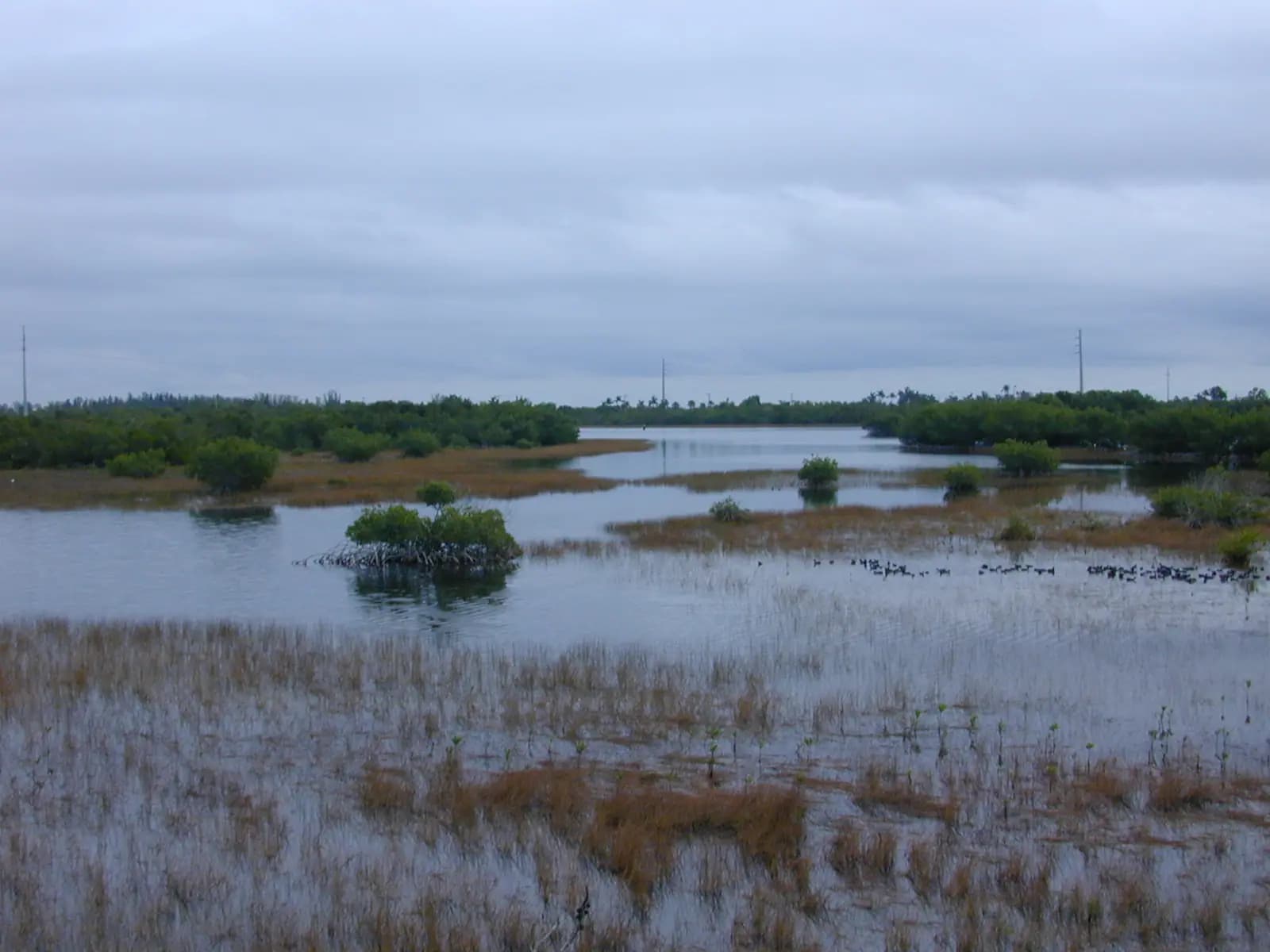
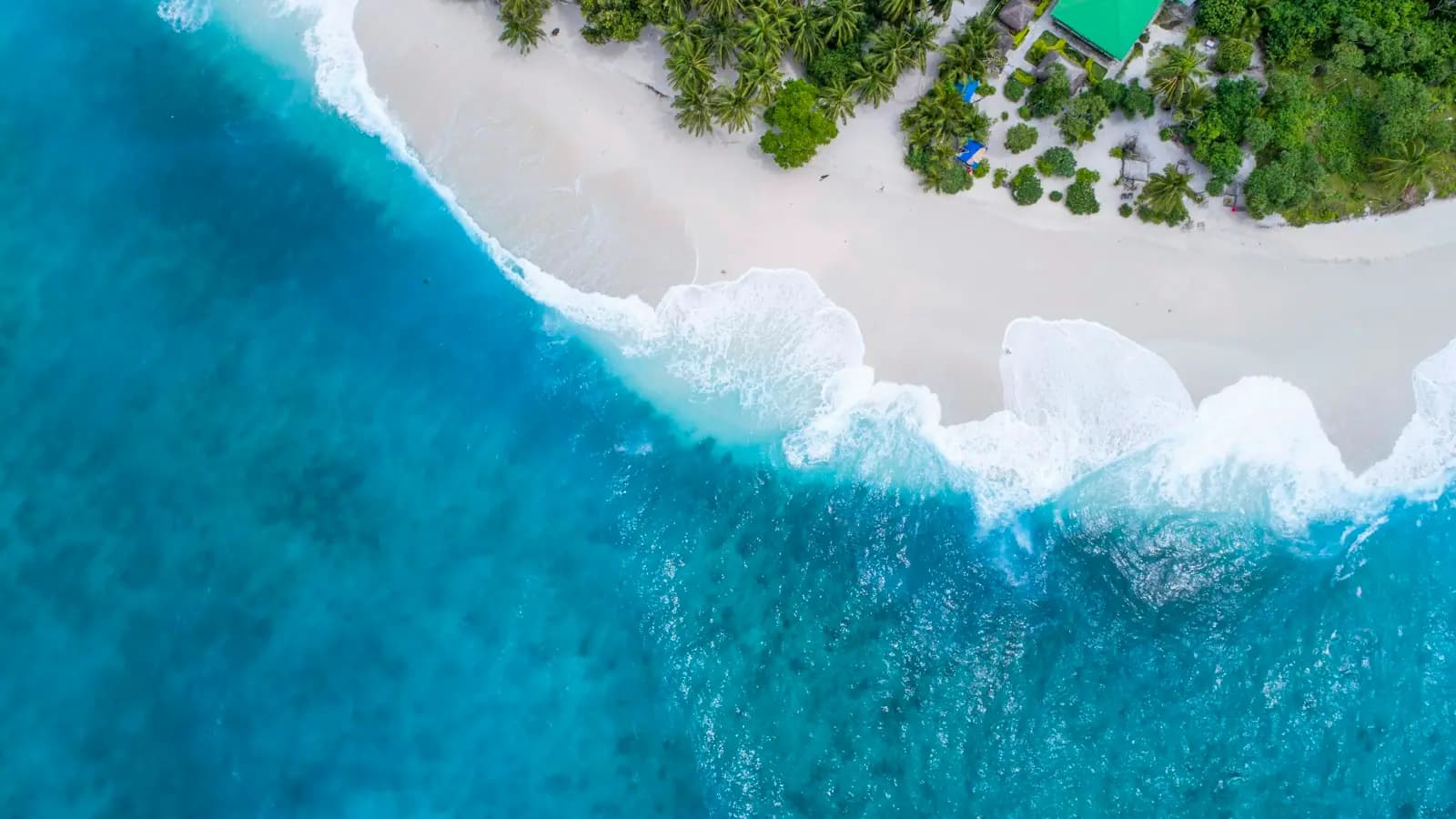
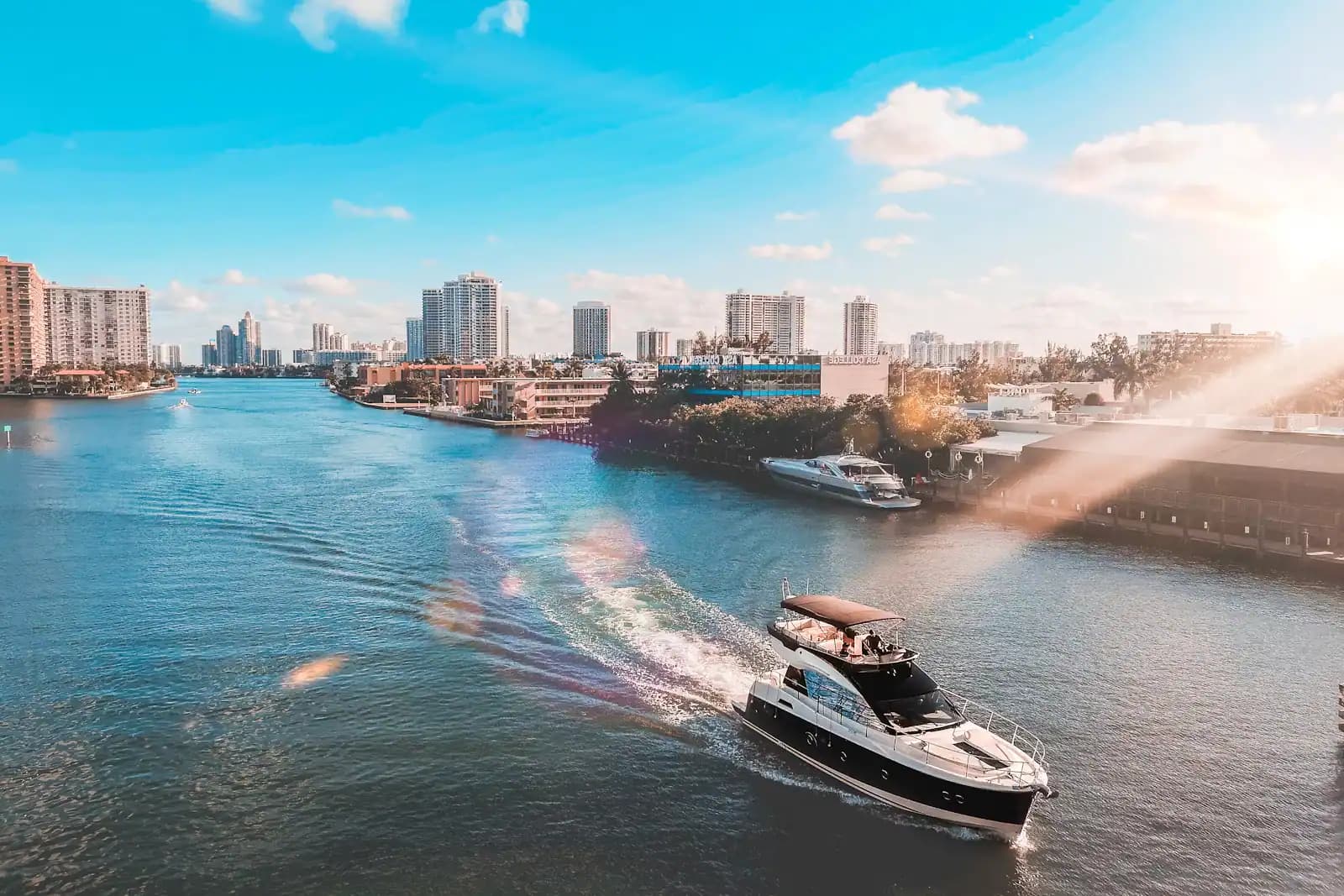
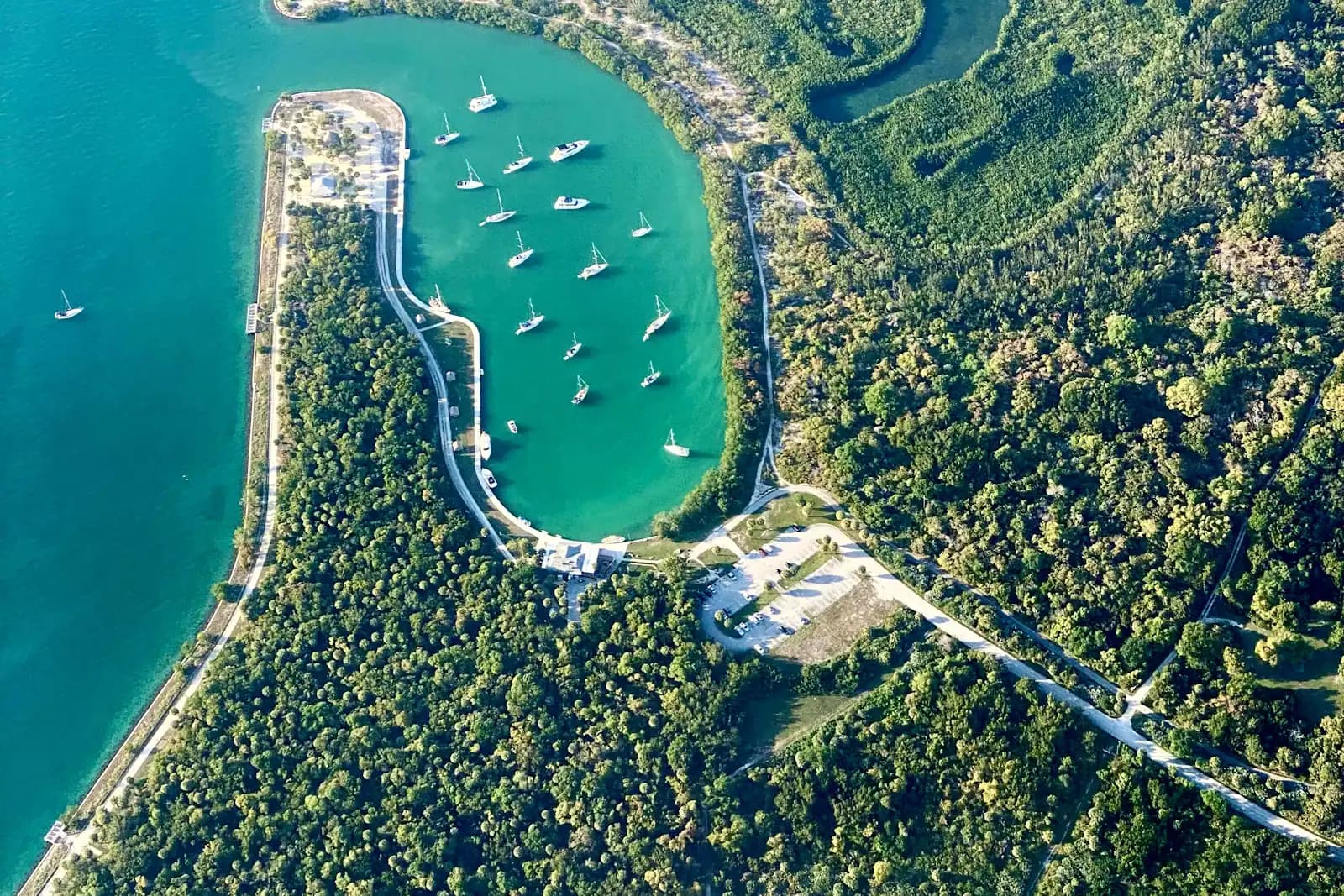
Marco is a boating island in a way that is easy to miss from the beach. The Gulf frontage is a crescent of sand with mid-rise towers behind it and looks like any well-run resort strip in Florida. Turn around, though, and the island's other three sides are water: the Marco River along the north, Collier Bay and Barfield Bay behind, Caxambas Pass at the southern tip, and beyond all of it the mangrove archipelago that gives this coast its name. More of Marco's addresses sit on a canal with a dock than sit on the beach.
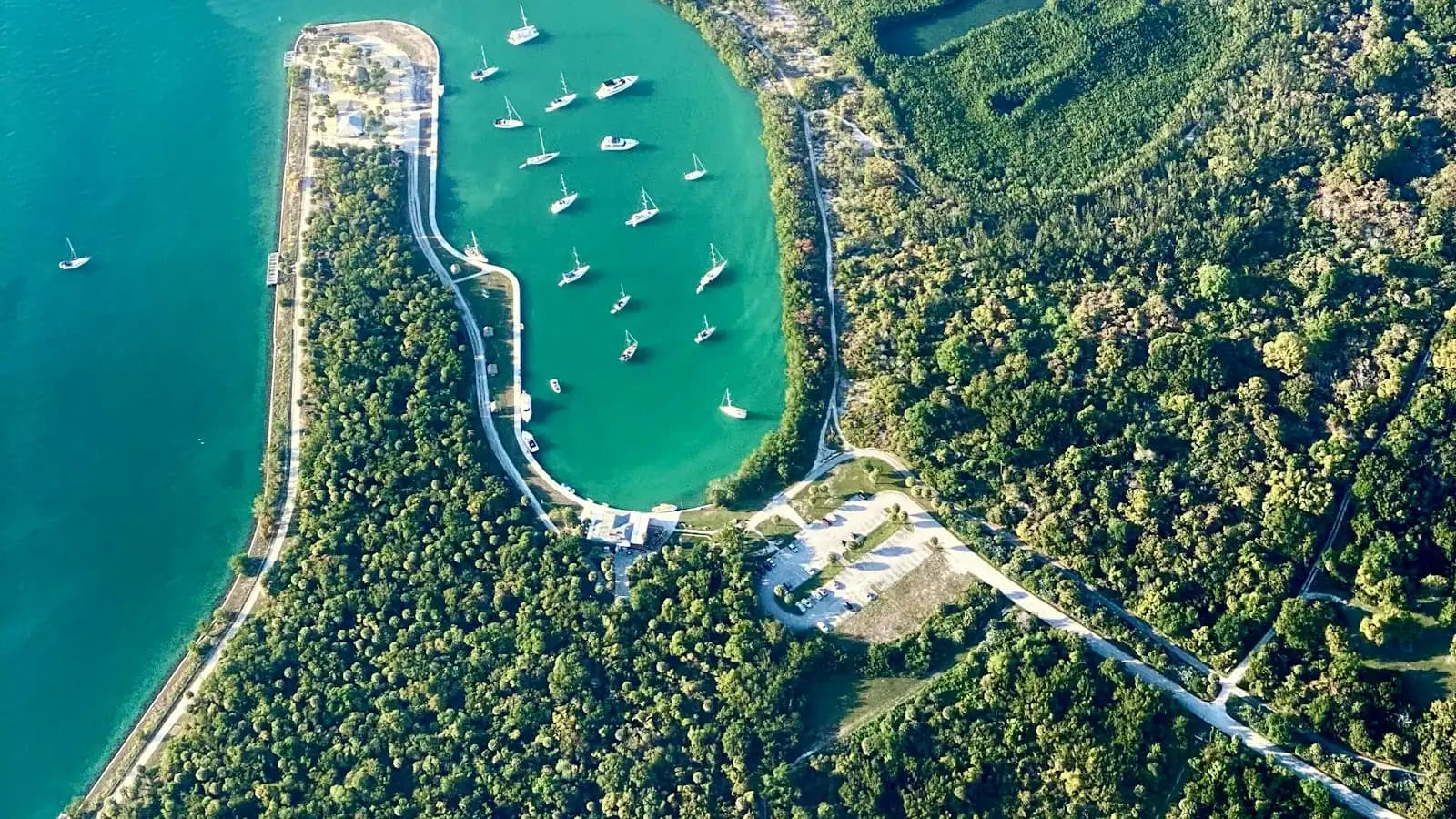
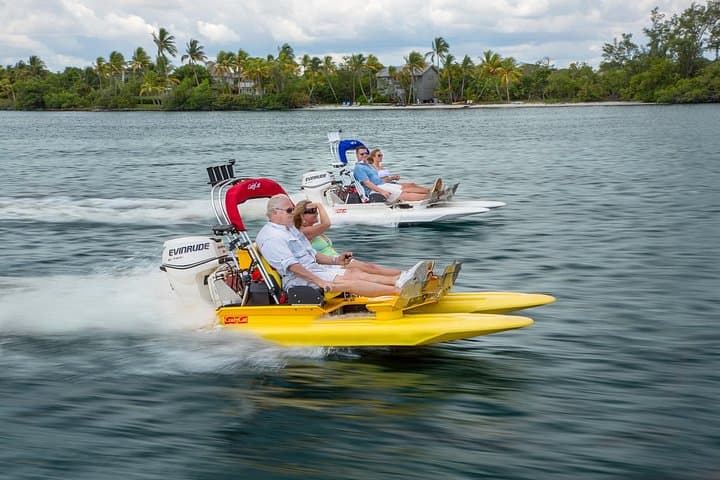
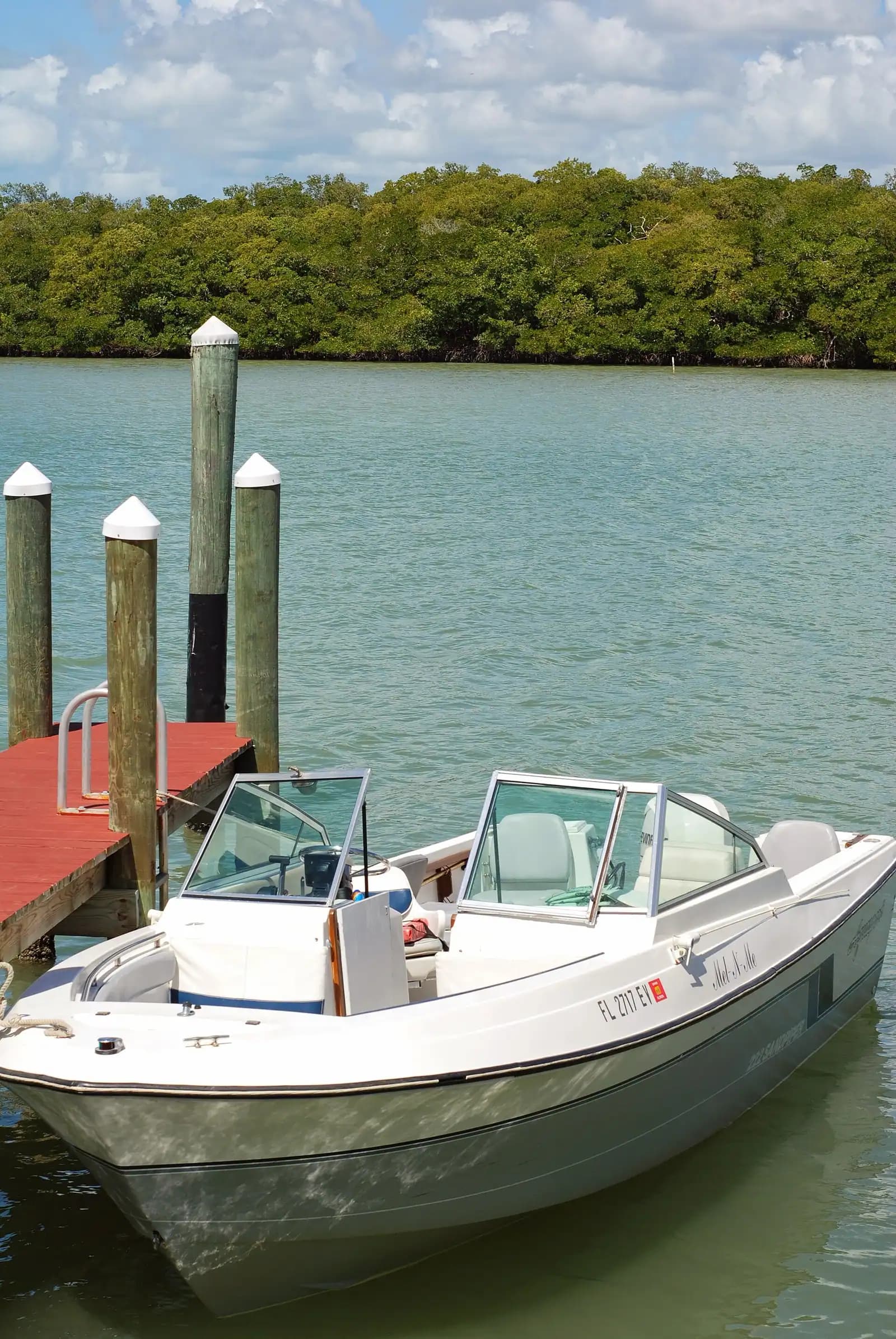
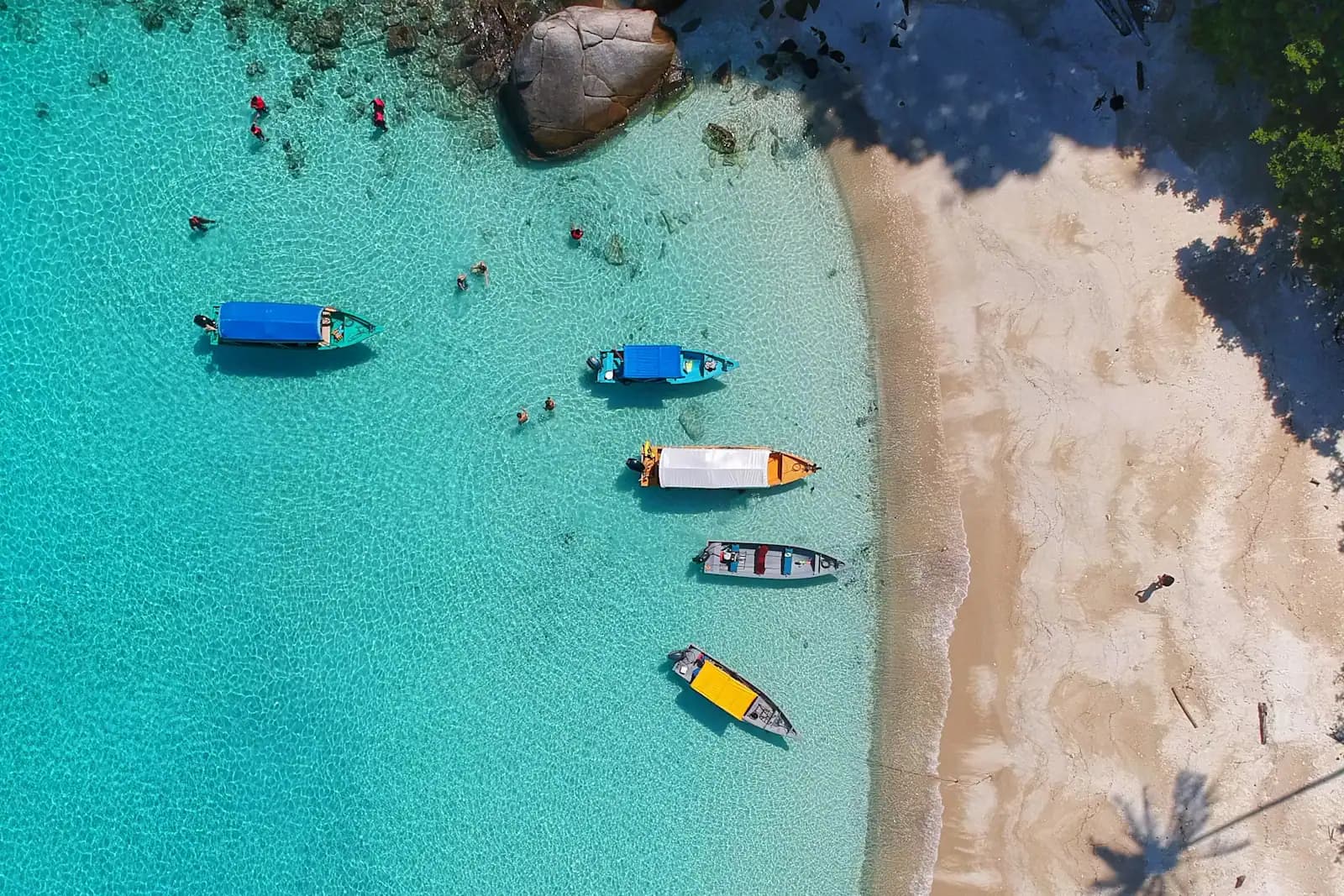
That geography produces an unusually deep tour fleet for an island of this size, and it clusters in four places. The Marco River marinas near the north end, around the Esplanade and the bridges, are the busiest and the most likely to run scheduled sightseeing departures. Caxambas Park, at the far south end, puts you closest to Cape Romano and the southern islands and is the ramp most local small boats use. Goodland, on the southeast corner, is the shortest run to the wildlife refuge and feels like a different decade. Isles of Capri, just north over the bridge, sits right on Capri Pass and is the quickest way into the open Gulf.
The first fifteen or twenty minutes of nearly every trip are spent at idle, and that surprises people. Manatee protection zones cover the Marco River, Collier Bay and Goodland Bay, and a boat leaving a marina is at slow or idle speed until it clears them. Build that into your expectations: a two-hour cruise is not two hours of running. It is a slow exit, a fast middle, and a slow return.
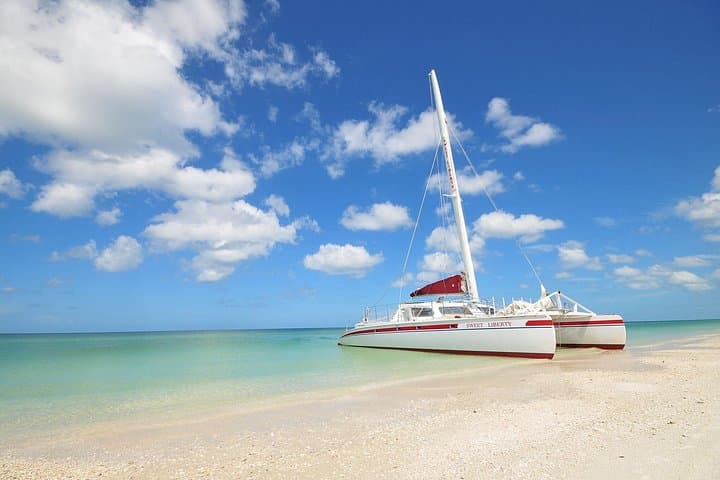
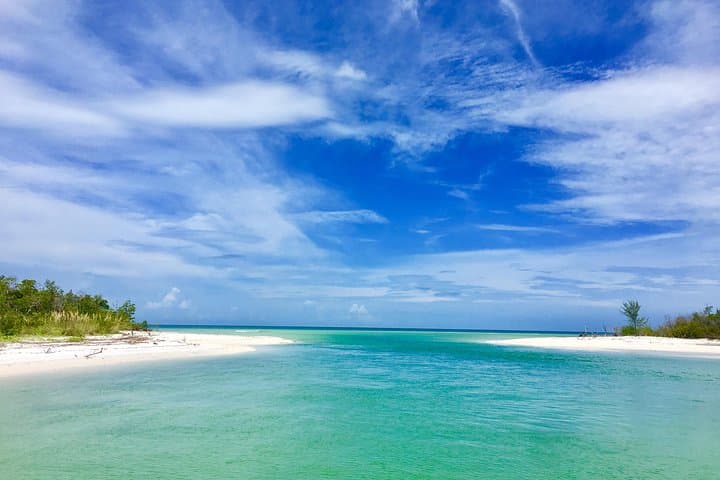
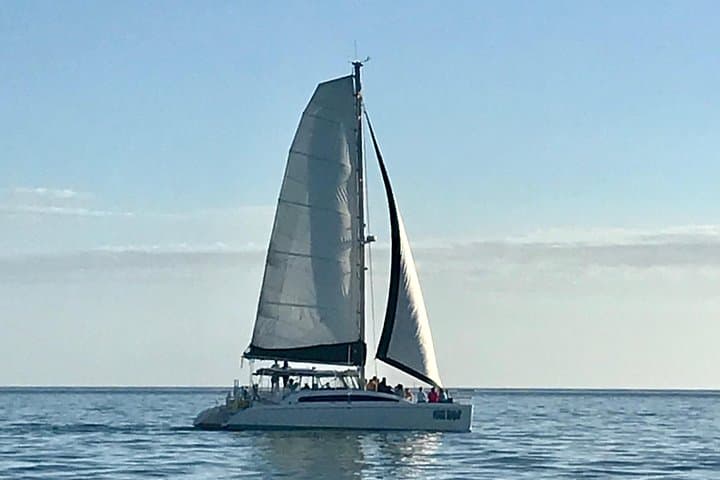
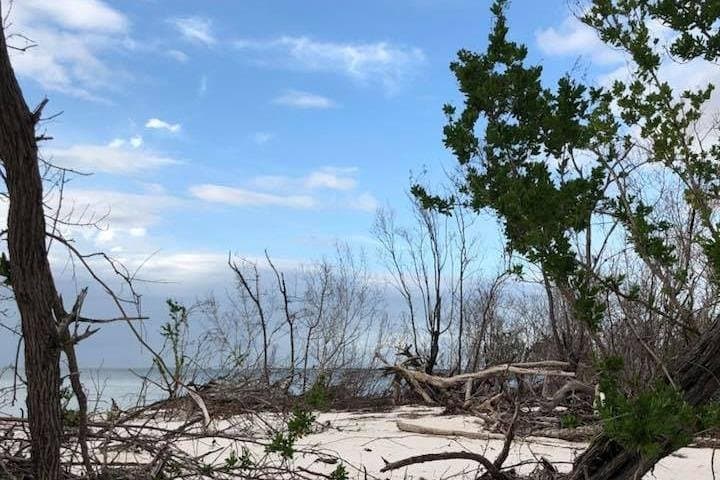
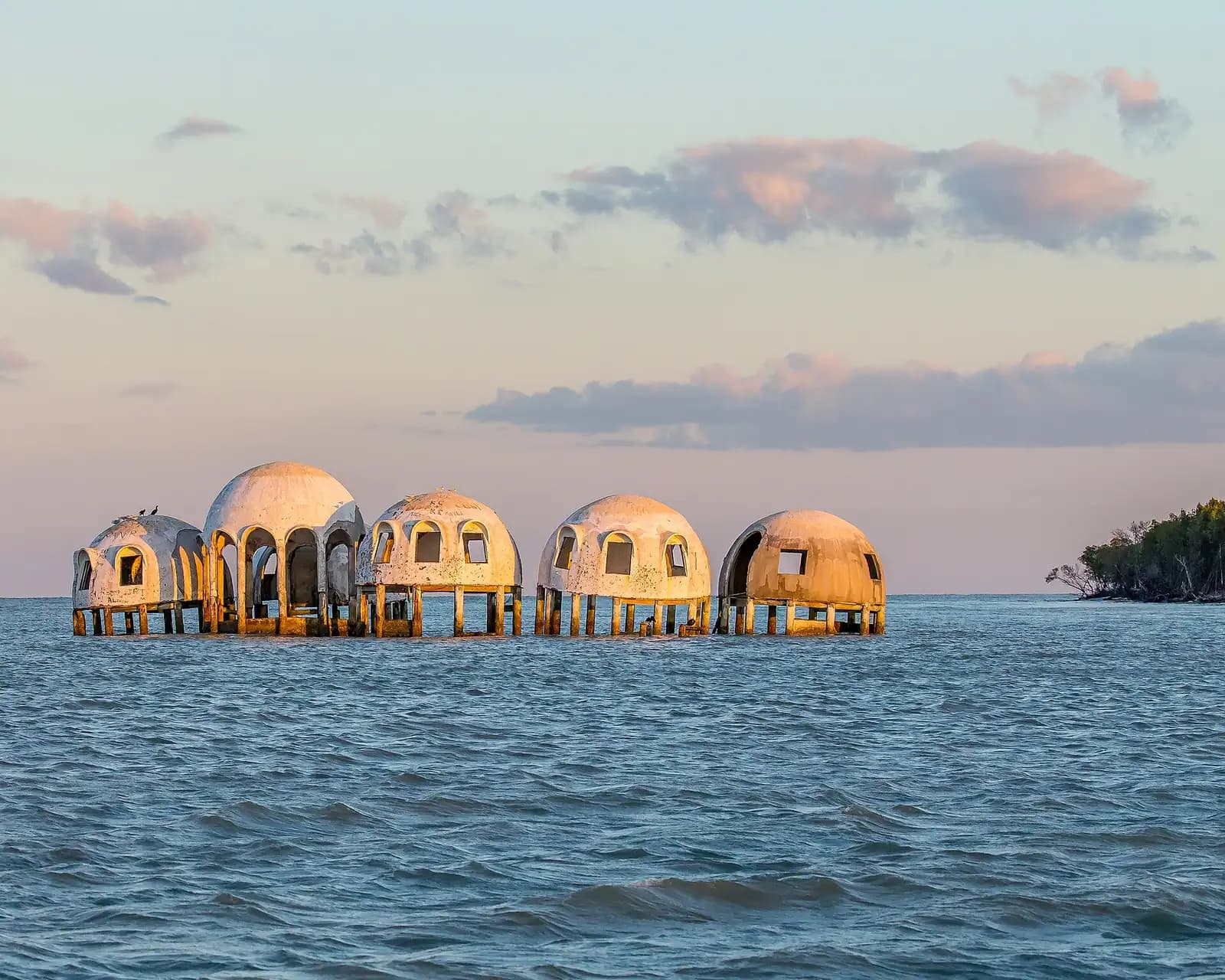
Where a boat can actually go is decided by draft and by the tide, not by ambition. Keewaydin Island is about ten minutes out the river once you are past the no-wake zone. Kice Island, across Caxambas Pass at the south end, is the shelling stop most captains name first. Cape Romano is roughly forty-five minutes south in reasonable water, and the dome house that drew boats there for forty years finally collapsed during Hurricane Ian in late September 2022, so what you see now is pilings and rubble, some of it awash and some of it under water. The backcountry bays behind the refuge are a different proposition again, and the boats that can reach them are not the boats with forty seats.
One more honest note before you book. Prices on this island run above the Florida average — the median bookable tour here sits close to a hundred dollars a head — and the reason is partly fuel and distance, partly a market that skews upscale. Value here is not the lowest sticker. It is matching the boat to the water you want to see.