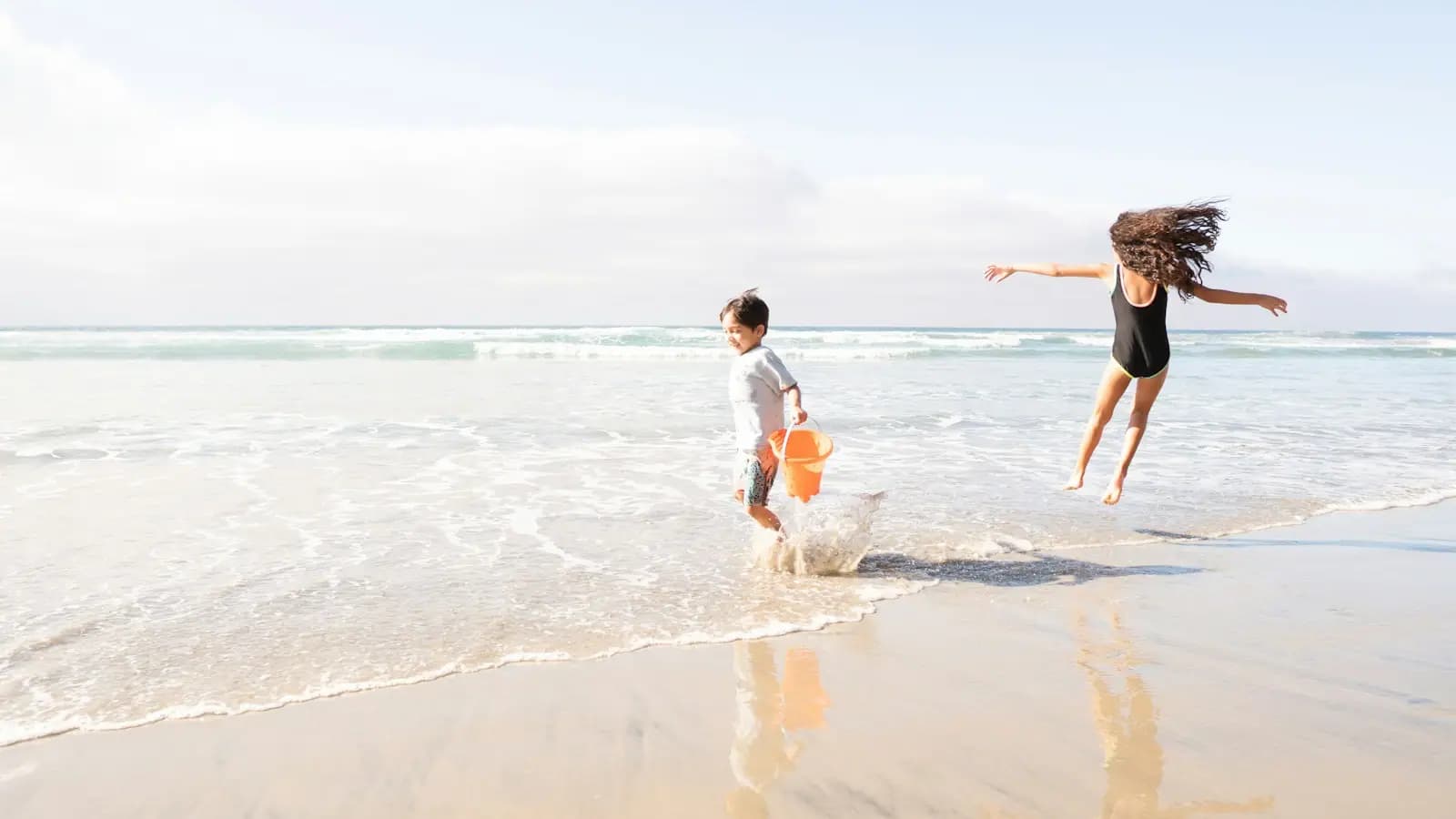
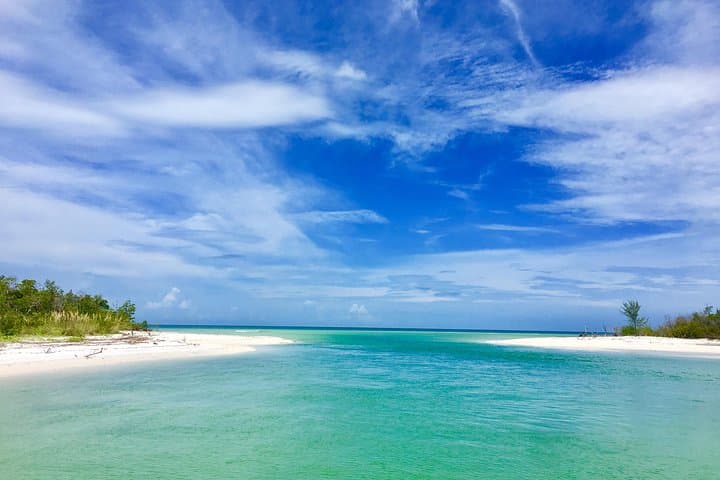
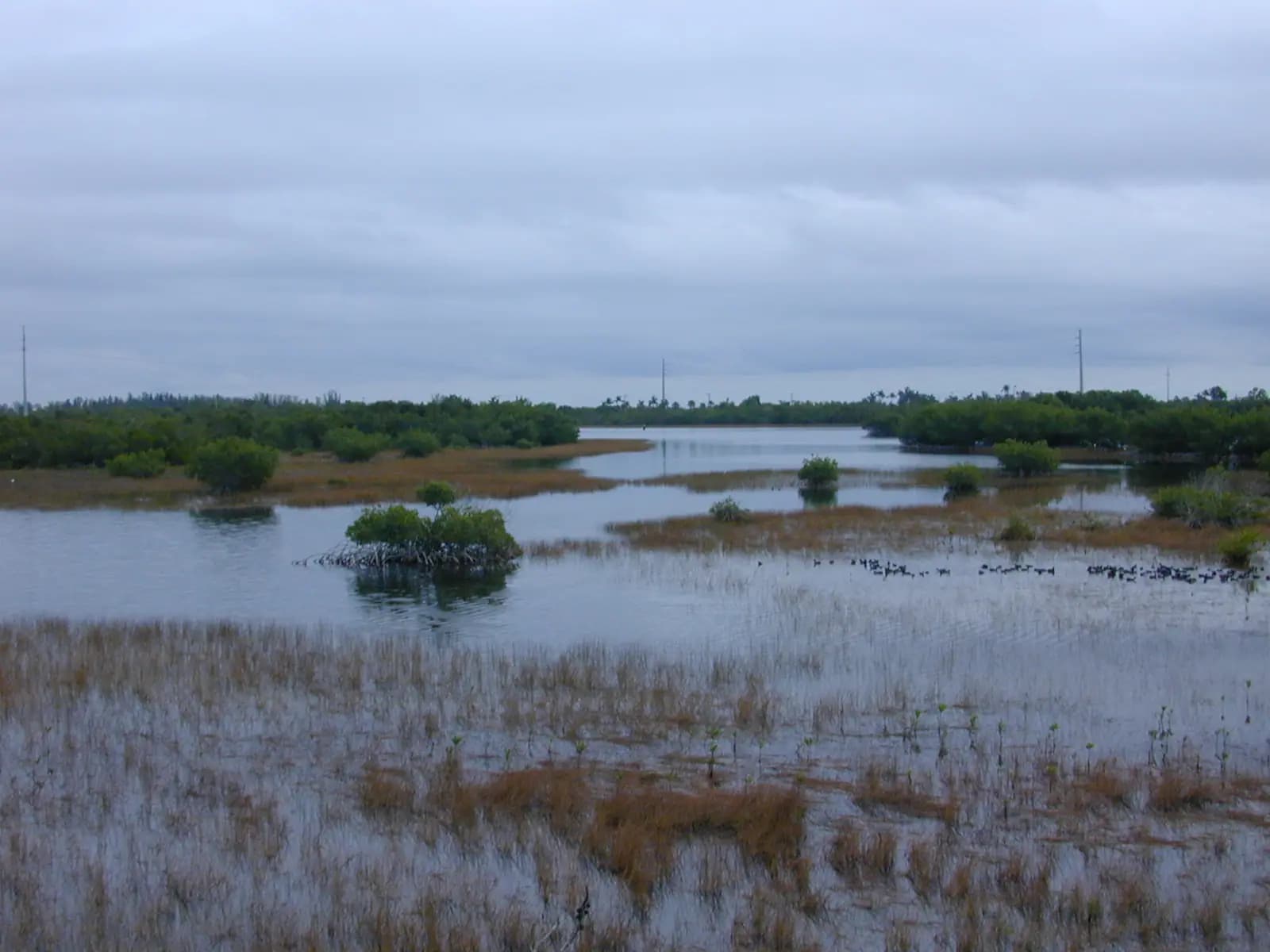
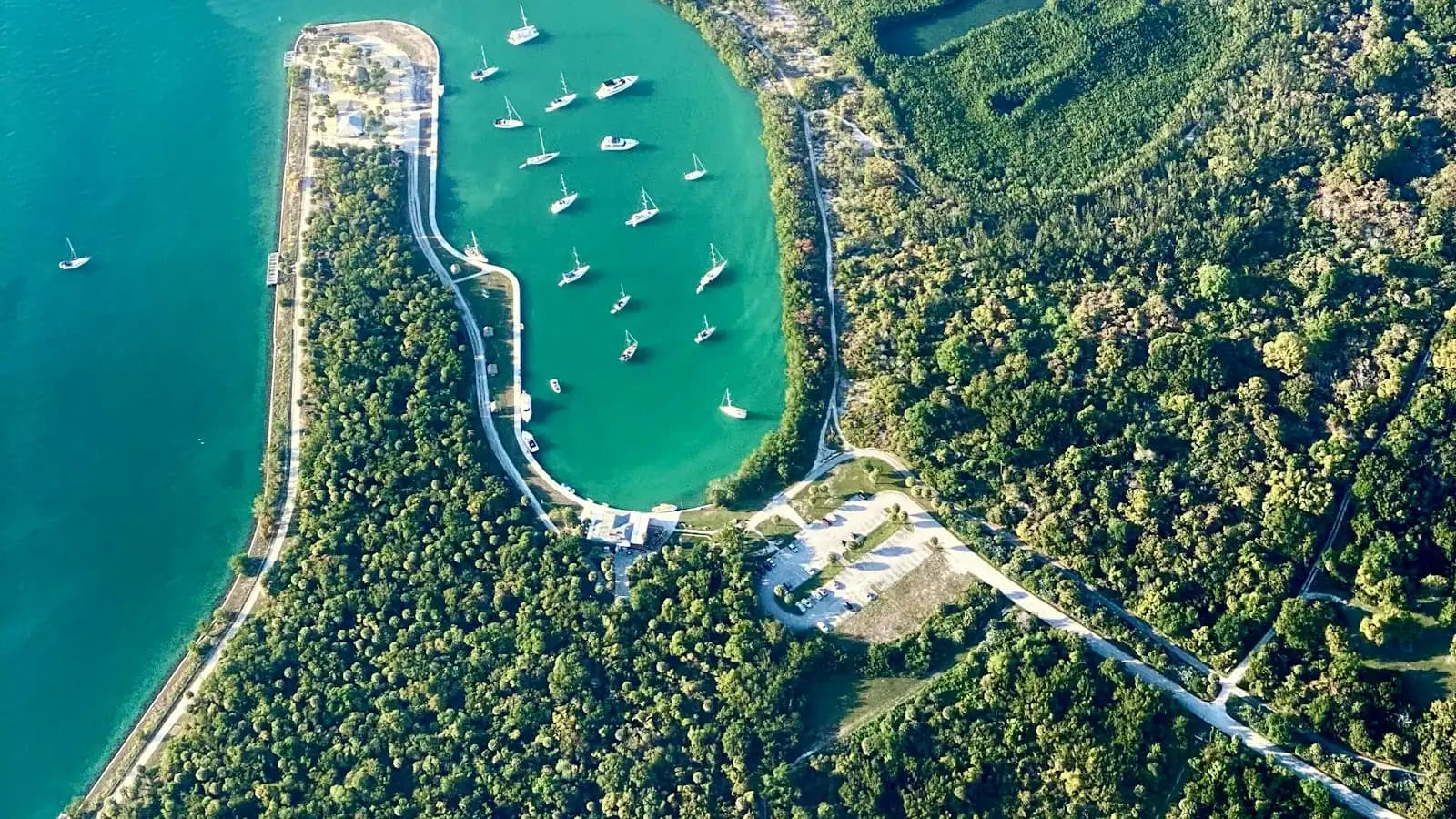
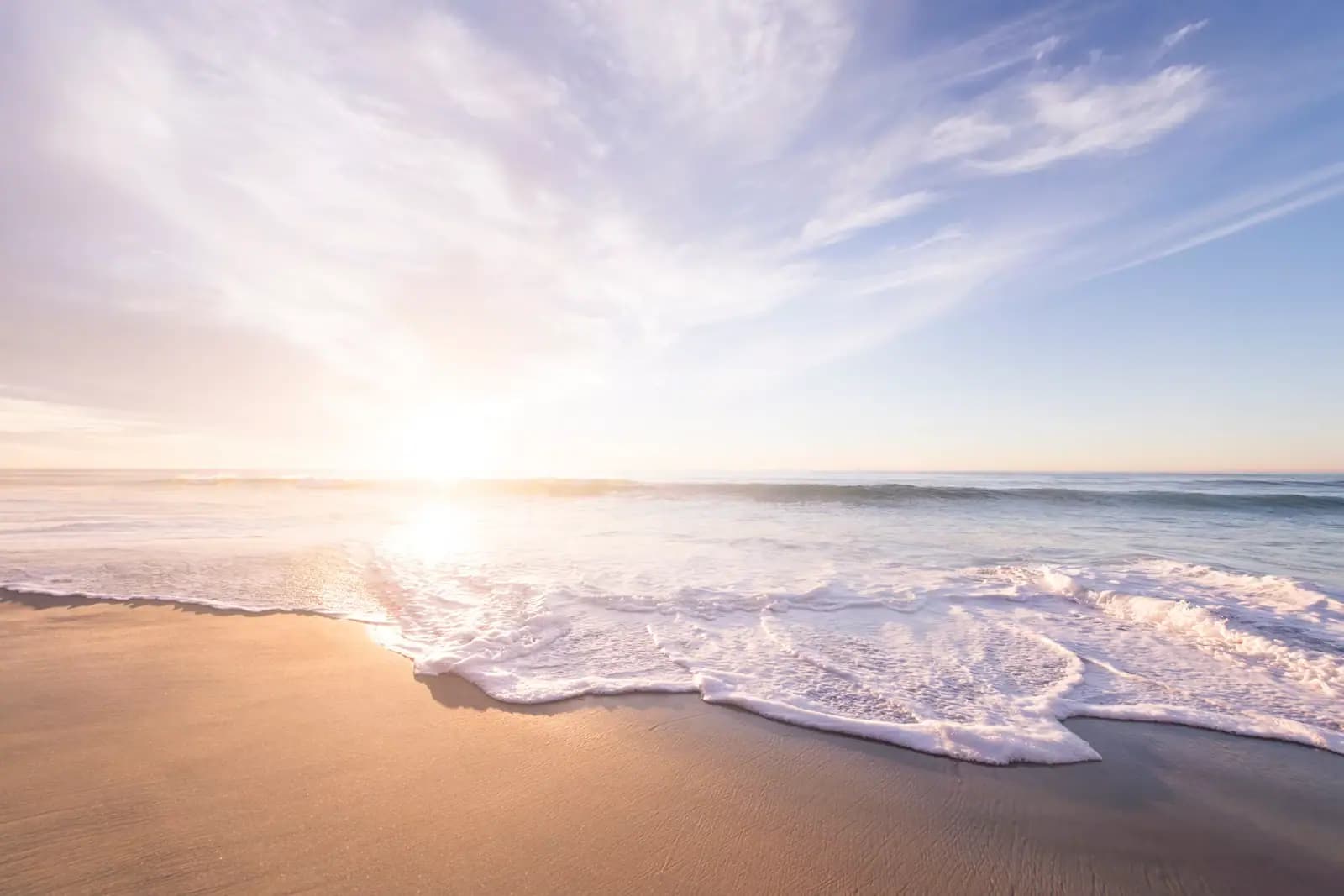
Marco's best asset for families is not the Gulf beach. It is the lagoon behind it. At Tigertail Beach Park, a shallow tidal basin sits between the car park and Sand Dollar Island, and for most of the tide cycle it is warm, clear, waist-deep at the most and entirely without surf. Small children can wade across most of it. There are no waves to knock a four-year-old over, no drop-off to worry about, and a sandbar on the far side to dig on. If you have ever spent a beach holiday standing knee-deep in breaking water with a hand on a toddler's shoulder, you will understand immediately why this is worth planning a trip around.
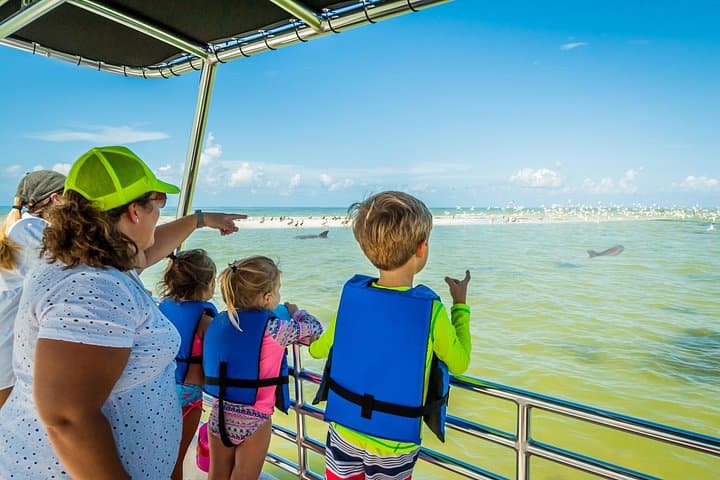
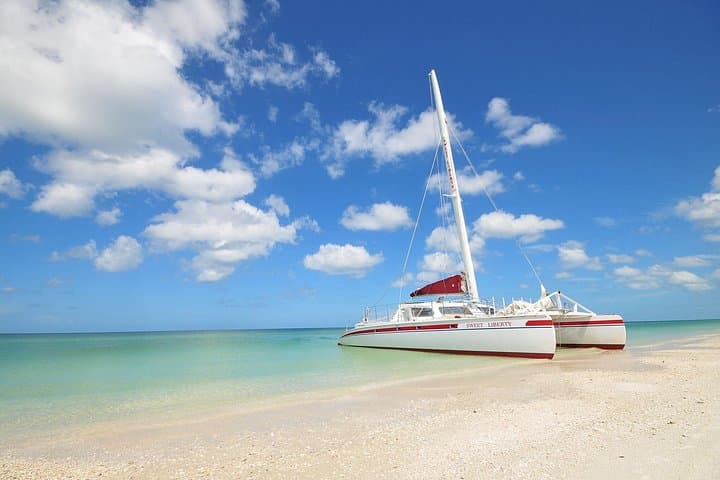
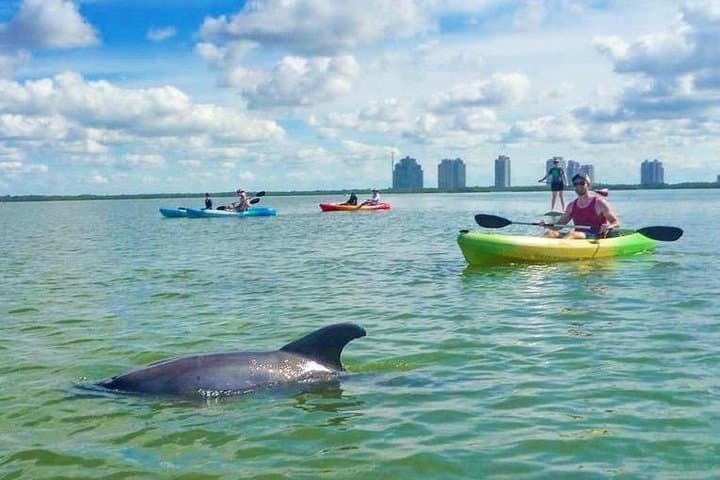
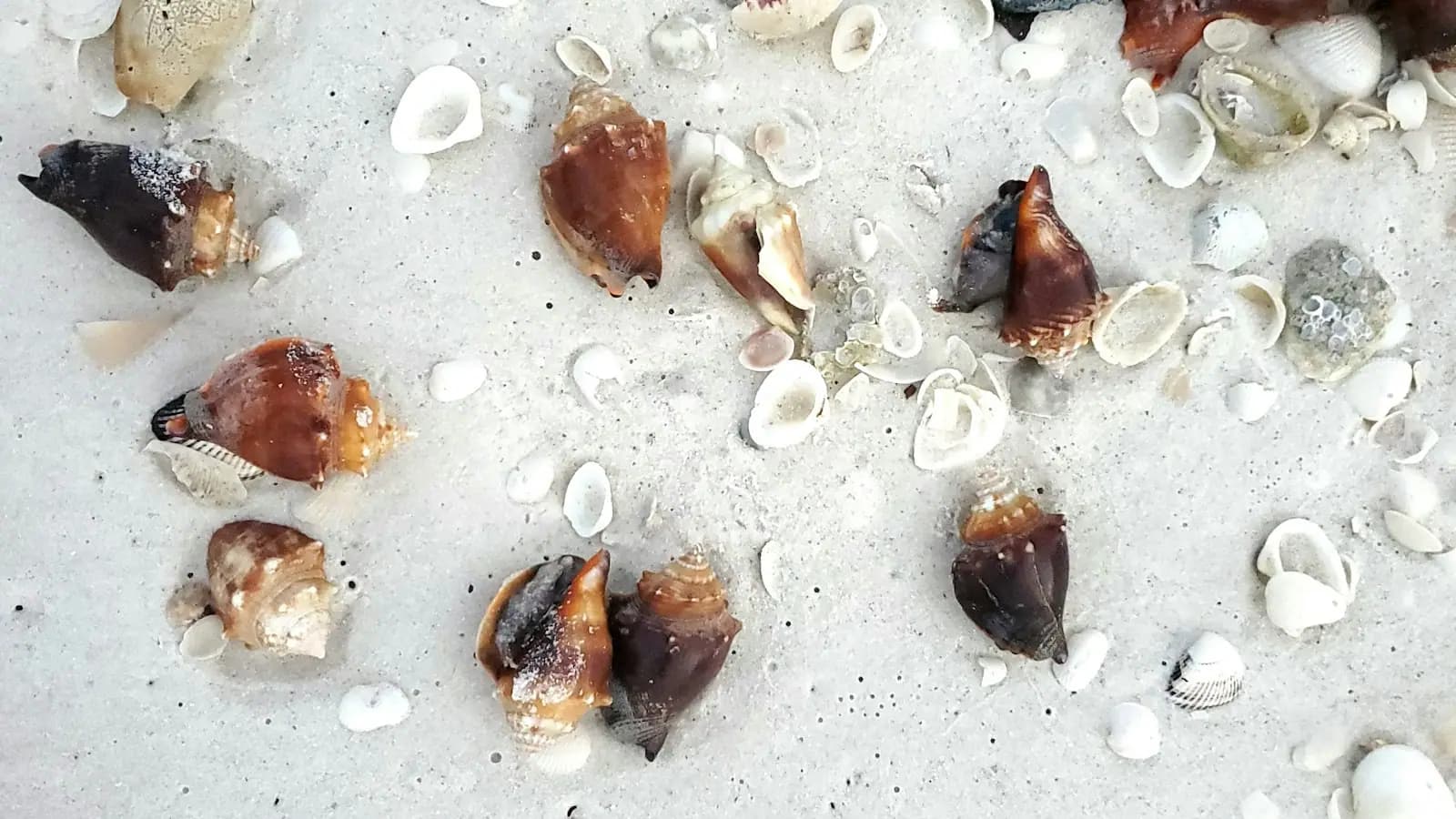
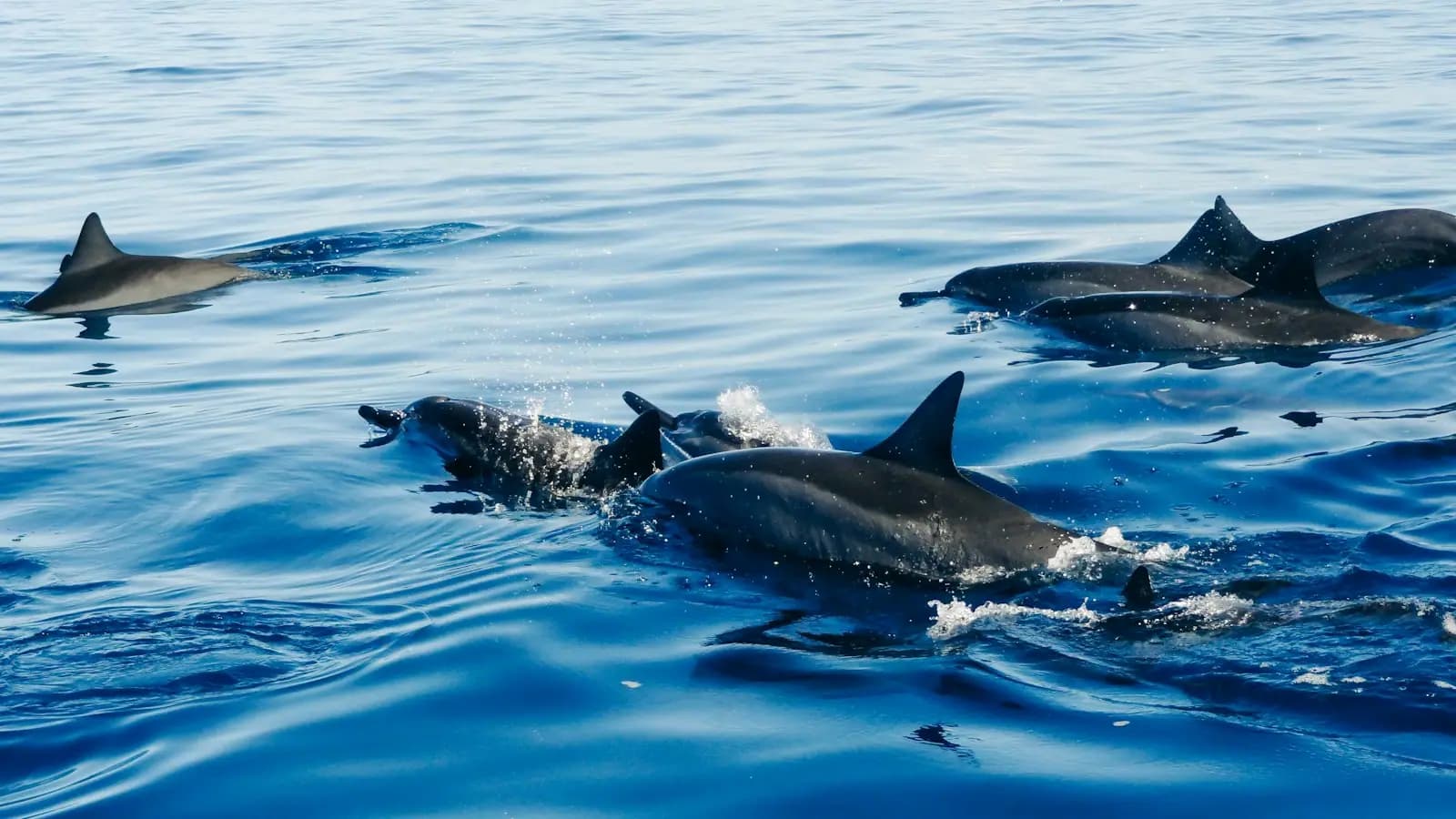
The rest of the island supports that well without ever becoming a children's resort. The Gulf beach shelves gently and is usually calm. Shelling is a genuinely good activity for the six-to-ten range, because the sorting and the identifying occupies them long after the collecting stops. Boat trips run short enough to work: two hours with a sandbar stop is the format. The Historical Museum is free, has a full-size reconstructed Calusa village in it and takes about an hour, which is roughly the right dose. And the burrowing owls, nesting in the ground on vacant lots all over the island between about February and July, are the easiest wildlife-spotting game a child will ever be given — you can play it from the back seat of the car.
Be clear-eyed about what Marco is not. It is a quiet, upscale, residential island with a median age well above the Florida average and a season built around snowbirds. There is no water park, no pier arcade, no strip of mini-golf and go-karts, and the nightlife is dinner. Teenagers who want a boardwalk will be bored. Younger children, who mostly want warm shallow water, a bucket and something to find, do extremely well here.
Three practical things to sort before the first beach morning. Beach parking is paid and the lots fill in season, so go early. There are no lifeguards on most of this shoreline, so supervision is entirely yours. And between 1 May and 31 October sea turtles are nesting on the sand, which means marked nests to stay away from, no torches or phone lights on the beach after dark, and curtains closed if your rental faces the Gulf. Children generally take that seriously if you explain why.