On this page
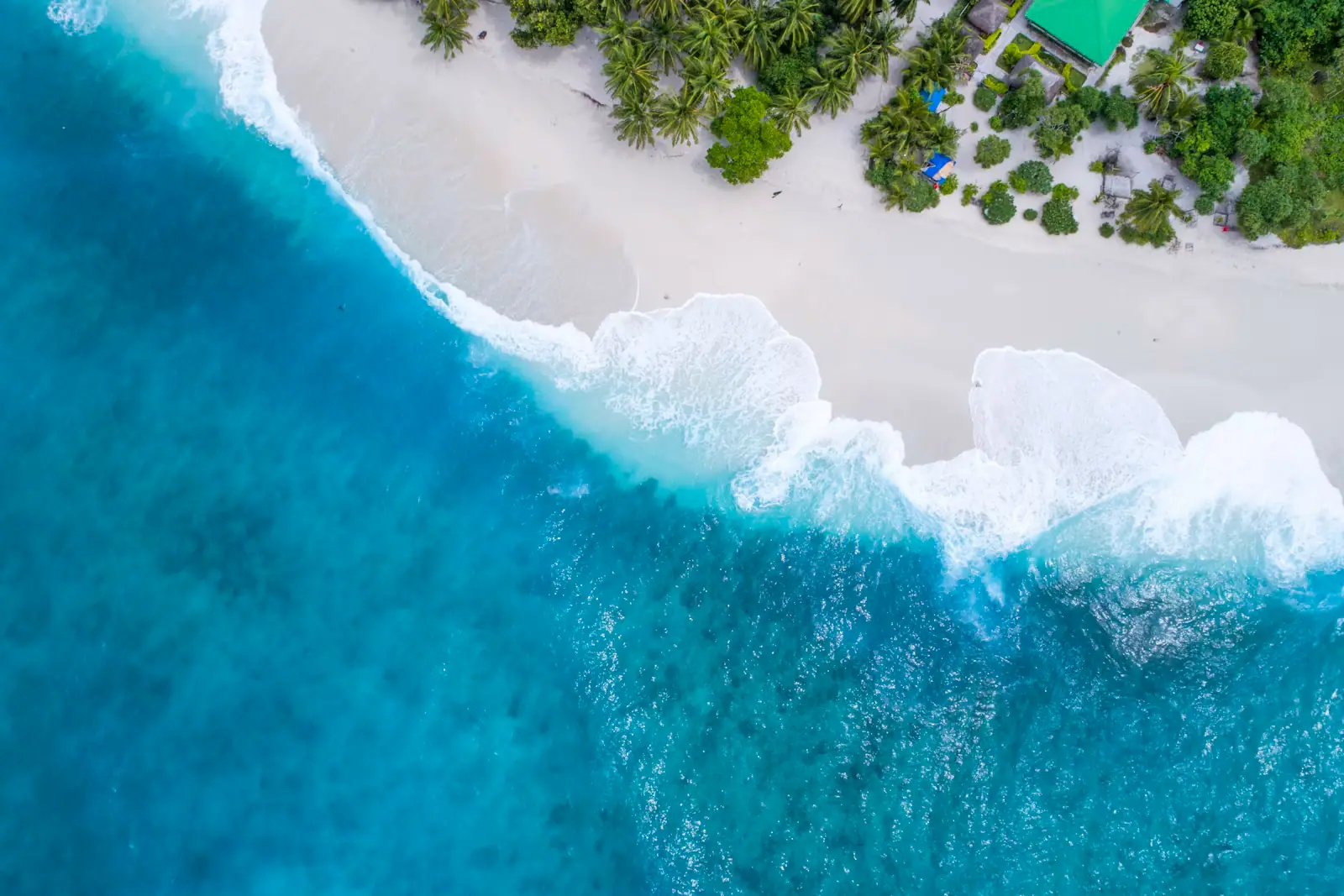
Marco's beach is a single unbroken arc of pale sand about six miles long, facing west into the Gulf. Along most of it stand the condominium towers and resorts that make up the island's skyline, and the water in front of them is usually flat enough to swim in without thinking about it.
So the beach is not the interesting question. Access is. Three different bodies control the ways onto that crescent and they operate on three different sets of rules, which is why a certain number of visitors spend their first morning driving between car parks.
The access map, in one table
| Tigertail Beach | South Marco Beach | Residents' Beach | |
|---|---|---|---|
| Who runs it | Collier County | Collier County | Marco Island Civic Association |
| Where | North end, off Hernando Drive | South end, lot on Swallow Avenue | Mid-island on the crescent |
| Parking | Pay-and-display lot; free with a county beach permit | Roughly seventy spaces, pay station or county permit | Association parking, pass required |
| Who can use it | Anyone | Anyone | Members, qualifying renters, and guests of hotels that arrange access |
| Facilities | Restrooms, concession, watercraft hire, boardwalk | Restrooms, then a short walk across South Collier Boulevard | Facilities on site |
| Best for | Birding, low-tide walking, the Sand Dollar crossing | A straightforward Gulf swim without the crowd | Convenience if you already have access |
Parking charges at the county accesses are posted at the machine and have moved more than once. Treat any figure you read online, this page included, as an order of magnitude rather than a price. Both county accesses run sunrise to sundown.
Tigertail, and why it is not what people expect
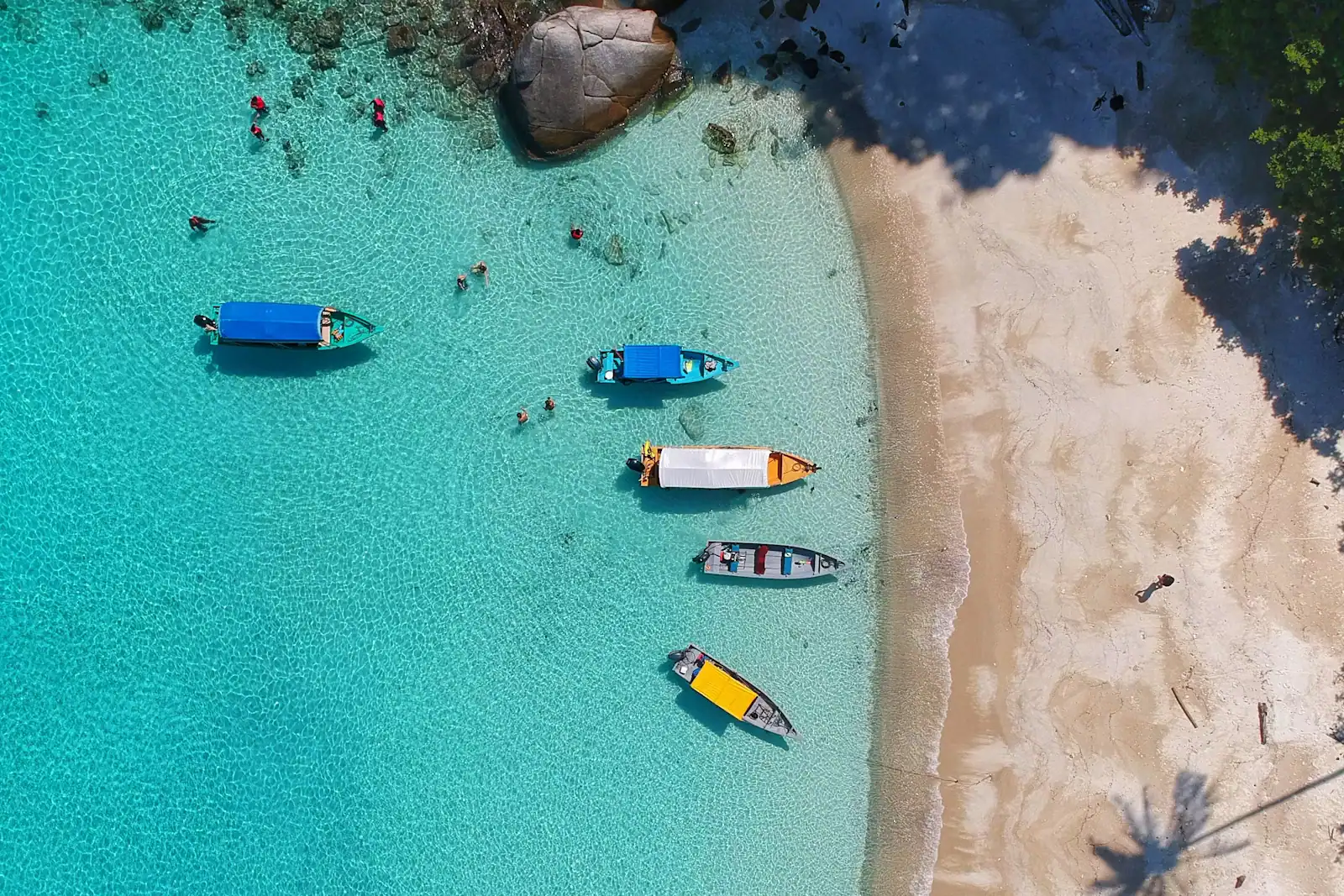
Drive to Tigertail expecting to step out of the car onto the Gulf and you will be confused. The car park faces a shallow saltwater lagoon, and beyond that lagoon is Sand Dollar Island: a long sand spit that has been migrating and re-attaching itself for decades, and which carries the actual beach.
You get there by wading. At low tide it is ankle to shin deep and takes a couple of minutes. Closer to high water it can be two to three feet and a genuinely different proposition with a cool box and a toddler. Check the tide the night before. Wear something on your feet.
What you get on the far side is a wide, quiet, dune-backed beach with very few people on it, and behind you a tidal flat that is one of the best shorebird sites on the southwest Florida coast. At low water the flat fills with feeding birds. Roped and posted areas protect nesting shorebirds; walk around them, keep dogs and kites away entirely, and if a bird is calling and dive-bombing you, you are too close to a nest.
The lagoon itself is a good paddle. Kayaks and paddleboards can be hired at the park, the water is protected, and it is a far better introduction to the island's estuary than the open Gulf is.
South Marco Beach
The simplest option. The lot on Swallow Avenue holds around seventy cars, there are restrooms, and the beach is a short walk across South Collier Boulevard. This is ordinary, excellent Gulf beach: firm sand, gentle slope, calm water most days.
Walk south and it empties out quickly as you move away from the access point toward the Caxambas end of the island. Walk north and you end up among the resort loungers. The lot fills early between January and March and on any decent weekend, and there is no overflow to speak of.
Residents' Beach and the resort stretch
Residents' Beach is run by the Marco Island Civic Association rather than the county. Homeowners and longer-term renters can hold passes; many of the beachfront hotels arrange access for their guests as part of the stay. If you are renting a condominium, ask the owner about beach access before you book rather than after you arrive. It is the single most common gap between what a listing implies and what a guest actually gets.
In front of the hotels, chairs and umbrellas are set out for guests and rented to others, and the usual beach concessions operate. It is comfortable, busy in season, and the least characteristic part of the island.
What the tide does here
More than it does on most Florida beaches. Low water exposes wide, firm flats that are excellent for walking, for shell hunting along the wrack line and for photographing the light, and it is the only sensible time to cross to Sand Dollar Island. High water narrows the beach in front of the resorts noticeably and puts the Tigertail crossing out of reach for anyone with small children.
Plan the beach day around the tide table the way you would plan a boat day around it. It is the same table.
Conditions, honestly
The Gulf here is usually calm. Surf is unusual, and on many days the water is close to flat. That does not make it supervised water: lifeguard provision on Collier County beaches is limited and you should not assume anyone is watching. Swim near other people, keep an eye on children constantly, and take posted flags and signs seriously.
Two real hazards, neither dramatic. Afternoon thunderstorms between June and September arrive fast and carry lightning; the flat open beach is the wrong place to wait one out, and the rule about leaving the sand at the first rumble is not fussiness. And red tide, a bloom of the alga Karenia brevis, can affect this coast most often in late summer and autumn, causing respiratory irritation and dead fish along the tide line. It is patchy, it comes and goes, and Florida's health department issues and lifts advisories beach by beach. Check current conditions the morning you go rather than the forecast from a week ago.
Stinging jellyfish and the larval "sea lice" that cause a rash under swimwear turn up seasonally and unpredictably. If people are coming out of the water scratching, believe them.
The rules that actually get enforced
Turtle lighting
Nesting season on Collier County beaches runs 1 May to 31 October, with loggerheads the main nester. Marco's ordinance requires lights visible from the beach to be turned off, shielded or modified after 9 p.m. during that window, and penalties escalate with repeat offences. If you are in a beachfront condominium, that includes your balcony light and your open curtains. Torches on the beach at night, phone lights included, disorient hatchlings.
Live shells stay
Collier County does not permit the collection of live shells, sand dollars or starfish. Empty only. If it moves, or if it closes when you touch it, put it back where it was, the right way up.
Nesting bird areas
The posted ropes on the Tigertail flats are there for a reason and the reason is that the birds abandon nests when people walk through.
Sunset
West-facing, six miles long, nothing offshore to block it. The sunset is the island's reliable event, and the beach fills for twenty minutes every clear evening from about half an hour before the sun goes.
The best of it is not in front of the hotels. Walk north from Tigertail onto the flats, where the wet sand doubles everything, or south from the Swallow Avenue access until the towers are behind you. Stay for the ten minutes after the sun is gone; on this coast that is usually the better half.
Last updated
Opening hours, ordinances and prices move with the season. We re-check this guide rather than rewrite it, and the date above is the last time someone did. How we research and correct.