People book the wrong boat here more often than anywhere else I have worked, and it is always the same mistake. They want to go deep sea fishing, because that is the phrase, and Marco is the wrong port for it.
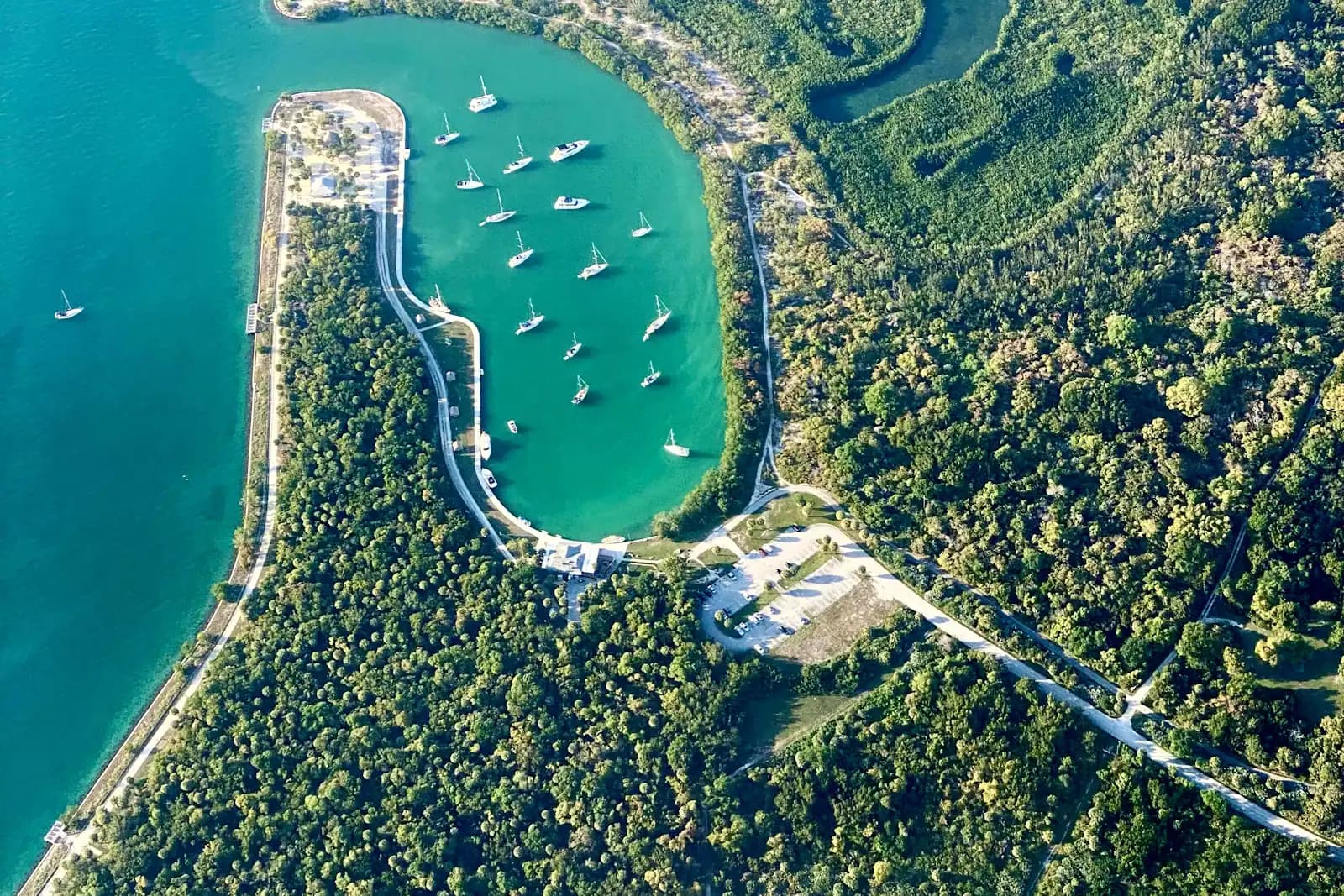
The continental shelf off southwest Florida is shallow and it goes on forever. To reach the reliable hard bottom that holds grouper and better snapper you are looking at a long run offshore, which means a full day, a bigger boat and a real fuel bill. Meanwhile, the fishery that makes this island's reputation begins about ten minutes after you leave the dock, in water you could stand up in.
Marco is a backcountry port. Fish it that way and it is one of the best in Florida.
The three fisheries
| Backcountry | Nearshore and beach | Offshore | |
|---|---|---|---|
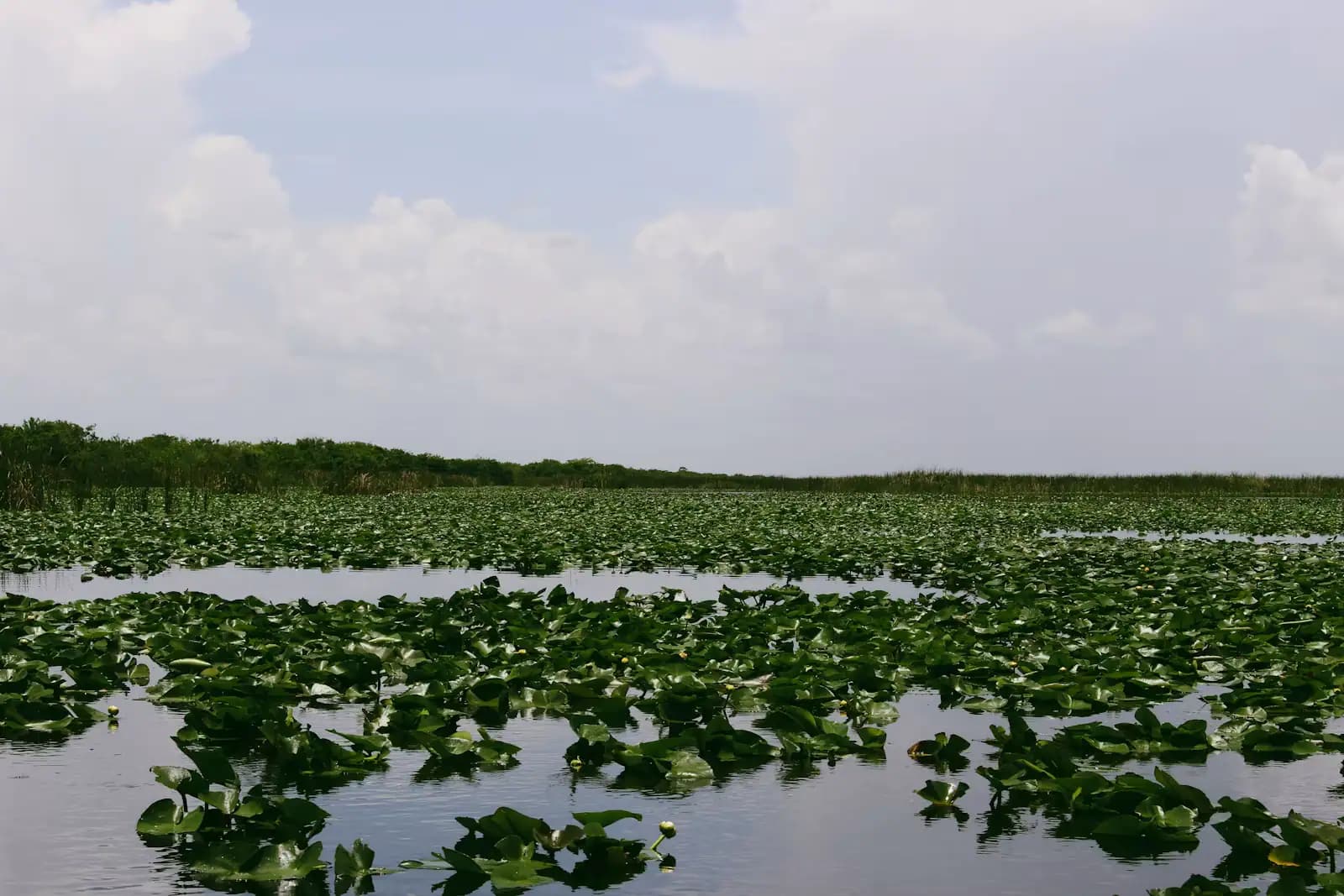
| Where | Creeks, bays and oyster bars behind the island and into the Ten Thousand Islands | The passes, the beaches, artificial reefs and wrecks within a few miles | Hard bottom well out on the shelf |
| Run time | 10–40 minutes | 15–45 minutes | Two hours-plus each way |
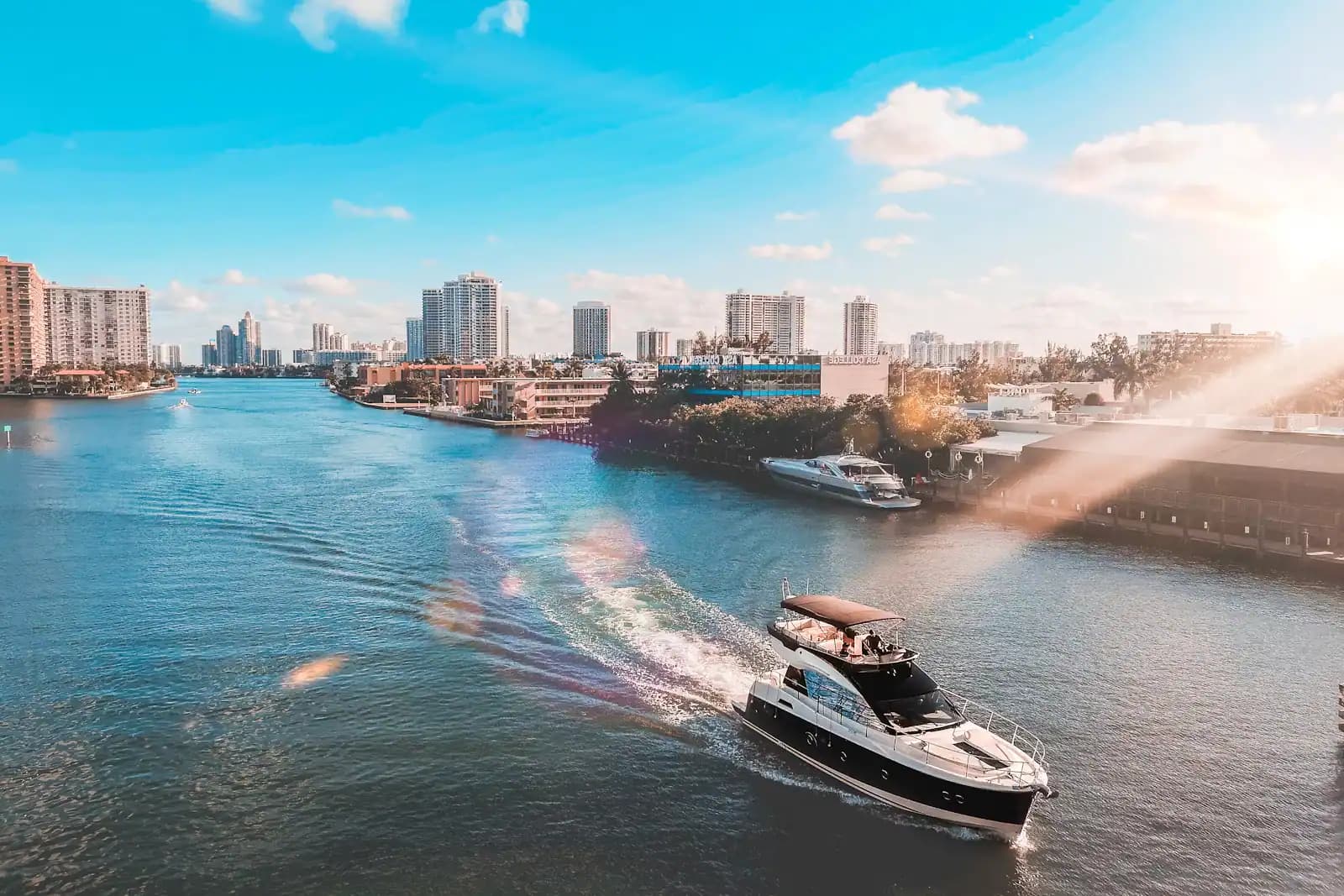
| Boat | Flats skiff or bay boat, 2–4 anglers | Bay boat or centre console | Larger centre console or head boat |
| Main targets | Snook, redfish, spotted seatrout, snapper, jack, sheepshead | Tarpon in season, permit, cobia, Spanish and king mackerel, sharks | Grouper, snapper, amberjack |
| Trip length | Half day works well | Half or full day | Full day, effectively |
| Verdict | What you came for | Excellent in spring and autumn | Only if bottom fishing is the whole point |
What is biting, roughly by month
| Period | Worth targeting |
|---|---|
| December to February | Sheepshead around structure, spotted seatrout on the flats, redfish in the creeks, pompano off the beaches. Cold fronts push fish into deeper holes |
| March to May | The best all-round stretch. Snook waking up, redfish, trout, Spanish mackerel in the passes, and the start of tarpon |
| May to July | Tarpon along the beaches and in the passes. Snook stacked around the passes and bridges. Hot, early starts essential |
| August to October | Snapper, jacks, sharks, and quiet water. Weather is the limiting factor rather than fish |
| October to December | Redfish and trout come back on, the bugs stop, and the backcountry is at its most pleasant |
Stone crab is a separate matter: the commercial season runs from mid-October to the beginning of May, and Everglades City and Goodland are where the claws come ashore. You buy those rather than catch them.
Licences and regulations, which change
You need a Florida saltwater fishing licence to fish here, including from shore as a non-resident. If you are fishing from a licensed charter or guide boat, the vessel's licence usually covers you and the captain will say so; confirm it when you book rather than assuming.
The species rules are where visitors get into trouble, because they are specific, they vary by management region, and they move.
- Snook requires an additional permit on top of the licence, is limited to one fish per angler per day when the season is open, has a narrow slot limit, and is closed to harvest for parts of both winter and the summer spawn. The closed dates differ between management regions on this coast and have been changed more than once. Check the current rule before you keep one.
- Redfish has a slot in the high teens to high twenties of inches and per-angler limits that have been tightened in southwest Florida in recent years.
- Spotted seatrout has a slot in the mid-teens to high teens and a modest daily bag.
- Tarpon is effectively catch and release. Do not plan on taking one out of the water for a photograph; the rules on handling large tarpon are specific and the fish's welfare depends on them.
- Goliath grouper is the fish that will break your line and your heart around the bridges and wrecks. Harvest is extremely restricted.
Verify all of it against the state wildlife agency's current regulations, which are published free and updated when they change. A charter captain will know them cold. An article will not.
Booking a charter
Half day, backcountry, two or three anglers is the default and the best value on this island. Four hours in the creeks with a guide who knows which bar holds fish on which tide beats eight hours of trolling every time.
What is included, and what is not
Rods, tackle, bait, ice, the vessel's licence, and fish cleaning. What is normally not: a cooler for your fillets, food and drink, and a tip, which on this coast is customary in the region of fifteen to twenty per cent.
Three questions to ask first
Ask these before you book. What size boat and how many anglers. Whether the trip is aimed at catching a lot of fish or at targeting one species, because those are different days. And what the cancellation policy is for wind, since winter fronts and summer storms cancel trips here regularly and a good operator reschedules without argument.
Book early in your stay. That way a blown-out day has somewhere to go.
Fishing without a boat
Less than on many Florida islands, but not nothing.
The beach fishes well at dawn and dusk. Snook cruise the trough right along the sand in summer, and pompano and whiting are catchable on the falling tide in cooler months. Light tackle, small jigs, and a willingness to walk.
The bridge and causeway water at the north end of the island is popular and productive, and the original piers built under the bridge were removed after storm damage decades ago, so fish from where it is legal and posted rather than assuming.
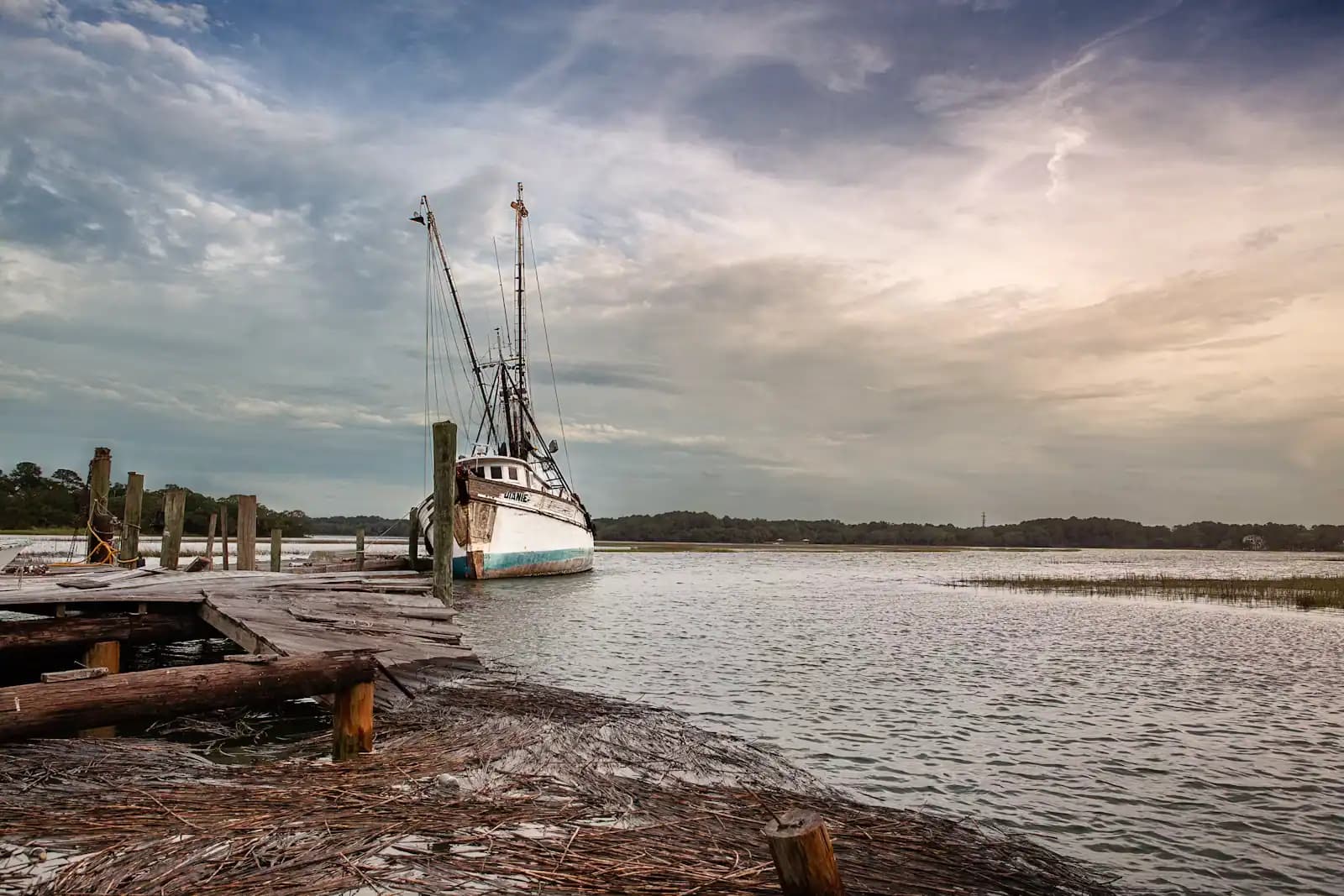
Caxambas Park at the south end has a ramp, a dock and access to the pass. Goodland has working docks and a completely different atmosphere.
Bear in mind that Marco's residential canals are private property with private docks, and that a great many of the island's best-looking shorelines are somebody's back garden.
The tide, again
Everything here runs on it. A guide who tells you the boat leaves at 6:40 rather than 7:00 is not being difficult; they are matching the run to the stage of tide when a particular bar or creek mouth fishes.
Moving water beats slack water almost everywhere in this estuary. The last two hours of a falling tide concentrates fish at creek mouths as the flats drain, and the first push of a rising tide puts redfish back up onto the bars. Ask your captain which one the day is built around and you will understand the trip you are on.
Releasing fish in Gulf heat
Summer water here runs into the high eighties Fahrenheit, and a fish fought to exhaustion in that water often does not survive being let go, however well it swims off.
Use tackle heavy enough to land the fish quickly rather than light enough to make it sporting. A four-minute fight on adequate gear is kinder than a fifteen-minute one on gear that is too light.
Wet your hands. Support the fish horizontally with two hands rather than by the jaw alone, particularly with anything over a few pounds. Keep it in the water if you possibly can; the photograph taken with the fish half-submerged at the boat is a better photograph anyway.
Single barbless hooks come out faster. If a fish is hooked deep, cut the leader close rather than digging.
Revive it by holding it upright in moving water until it kicks free under its own power. Do not drag it backwards, which forces water the wrong way over the gills.
And if a shark is following the boat, move before you release. That is not squeamishness; it is the difference between a released fish and a fed shark.
Last updated
Opening hours, ordinances and prices move with the season. We re-check this guide rather than rewrite it, and the date above is the last time someone did. How we research and correct.