Skip to content
Menu

We earn a commission if you book through this link. You pay the same price.

Search

Seasonal

The Owls on the Vacant Lots Are Nesting Again

Small owls that nest in holes in the ground, in a residential grid, protected by stakes, rope and an unusual agreement between the city, the state and Audubon.

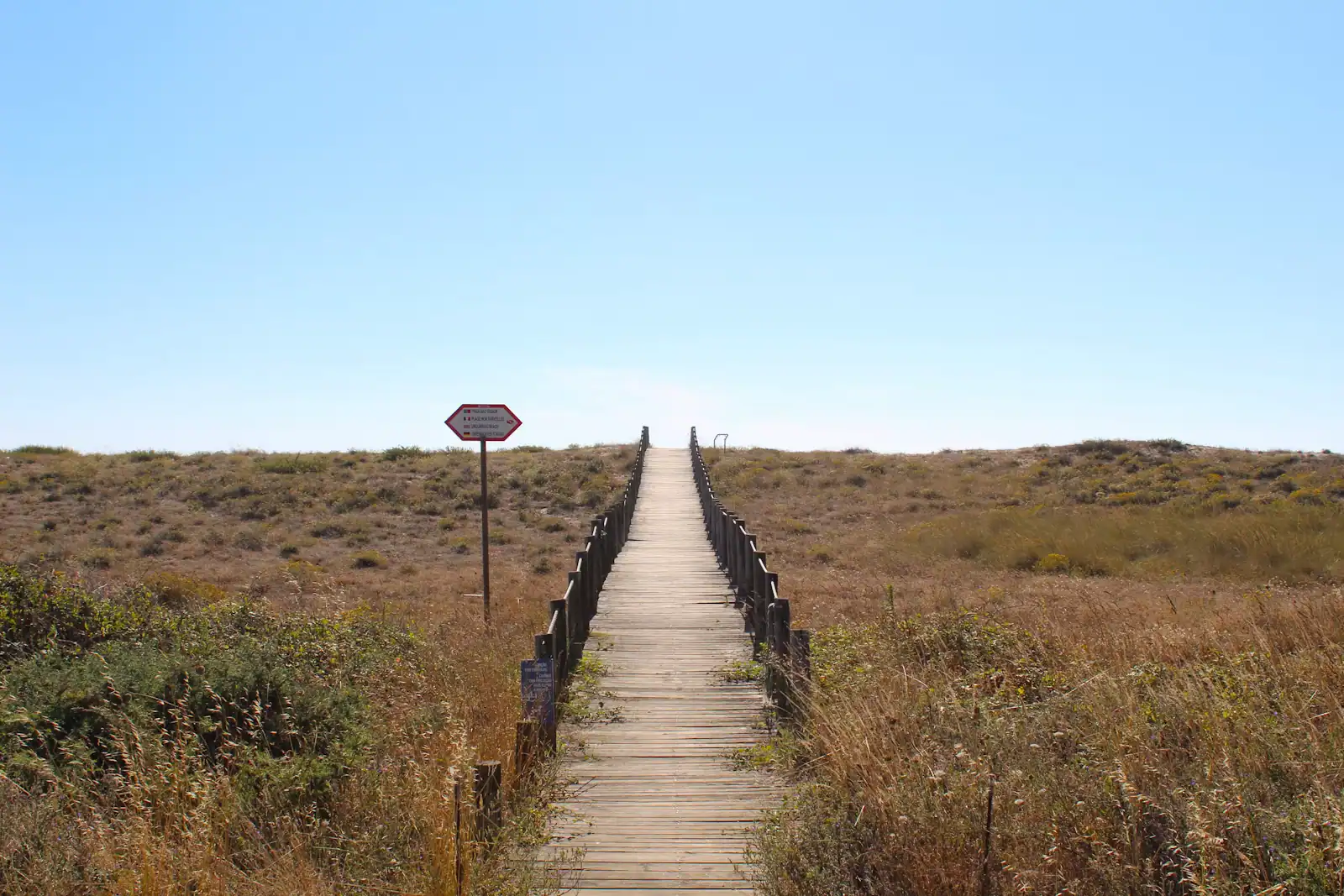
A signpost standing beside a raised timber walkway in rough coastal grass

From late winter through early summer, Marco Island's burrowing owls are on eggs and then on chicks, and the island fills up with small PVC stakes and lengths of line marking the burrows.

This is one of the genuinely unusual things about Marco. Burrowing owls are small, ground-nesting and active in daylight, and here they nest not in remote prairie but on ordinary residential vacant lots, beside pavements, between houses. The island holds one of the more significant populations in the state.

They are there because the island's development pattern accidentally suits them. A cleared, sandy, unbuilt lot in a grid of low houses looks a great deal like the open ground the species evolved for. Marco now has a formal arrangement to keep it that way, a safe-harbour programme run with the state wildlife agency and Audubon of the Western Everglades, under which property owners agree to protect burrows and volunteers dig starter burrows to attract new pairs. The city has at points paid a small incentive for starter burrows that owls actually adopt.

The Owl Watch volunteers who find and monitor burrows are the ones who stake them out, marking a buffer with PVC and line so that mowers, dogs, cars and visitors stay clear.

Watching them properly

  • Look for the stakes. Drive or cycle the residential streets slowly in the morning; the birds are easiest to see in the first two hours of light.
  • Stay outside the marked buffer. Photograph from the pavement or from inside a car, which the owls tolerate far better than a person on foot.
  • Bring a modest telephoto or binoculars rather than walking closer. An adult that bobs, calls repeatedly or flies off is telling you that you are too close, and an abandoned burrow is the outcome nobody wants.
  • Keep dogs away entirely, and never let a child approach a burrow mouth.
  • Do not put anything near the entrance, and do not attempt to feed them.

Nesting activity tails off through the summer. By late autumn the birds are still present but far less conspicuous, which is why February to June is the window worth planning around.

SourcingSummarised from published reporting on Marco Island's burrowing owl population and from the Owl Watch monitoring programme run by Audubon of the Western Everglades in partnership with the city and the Florida Fish and Wildlife Conservation Commission, including the safe-harbour and starter-burrow arrangements. Programme details and any incentive schemes are set locally and change; confirm current arrangements with the organisations concerned. Burrowing owls are a protected species and disturbing a nest is an offence.

Plan around it

What this means for visitors

The pages that carry the practical detail behind this story — hours, costs, access and where it sits on Marco.

  • Things to do

    Wildlife

    Marco Island wildlife watching: burrowing owls on residential lots, a long-running dolphin study, manatees after cold fronts and the…

  • Things to do

    Free Things to Do

    Genuinely free things to do on Marco Island: burrowing owls, a free museum, a Calusa shell mound, low-tide flats, and how to skip the…

  • Things to do

    Things to Do

    Things to do on Marco Island, Florida, sorted by how much water you can reach. Tigertail, the Ten Thousand Islands, Goodland, beach…

  • Things to do

    Attractions

    Marco Island attractions sorted by how you reach them: by car, on foot, by dock and by boat only. Tigertail, Otter Mound, Rookery Bay…

Related

Explore Wildlife

This story touches something you can book. These are live listings from our booking partner, not a recommendation attached to the report above.

Some links below go to Viator, our booking partner. We earn a commission on bookings made through them — at no extra cost to you, and with no influence on what we recommend.

Newsroom

More from the newsroom

Who reported this

Nature & Wildlife Editor

Imani covers the estuary behind the condominium towers: Rookery Bay, the mangrove creeks, the shorebird flats at Tigertail and the ground-nesting owls that live on Marco's vacant lots. She worked on nest-monitoring surveys before she wrote about them, and she will say plainly when a wildlife encounter you have been sold is better watched from further away.

Our newsroom is machine-assisted and human-edited: stories are drafted from verified public sources and checked before they publish. How that works is set out in our editorial standards.

More from Imani Brooks